
Cervical myelopathy can cause a range of symptoms, from hand weakness and numbness to problems with walking or balance, and it tends to worsen over time. The goal of surgery for cervical myelopathy is to relieve pressure on the spinal cord before that damage becomes permanent.
But determining what kind of surgery is required depends largely on your specific case.
Below, we’ll walk through when surgery is needed, what options exist, and what you can expect from recovery.
What is Cervical Myelopathy?
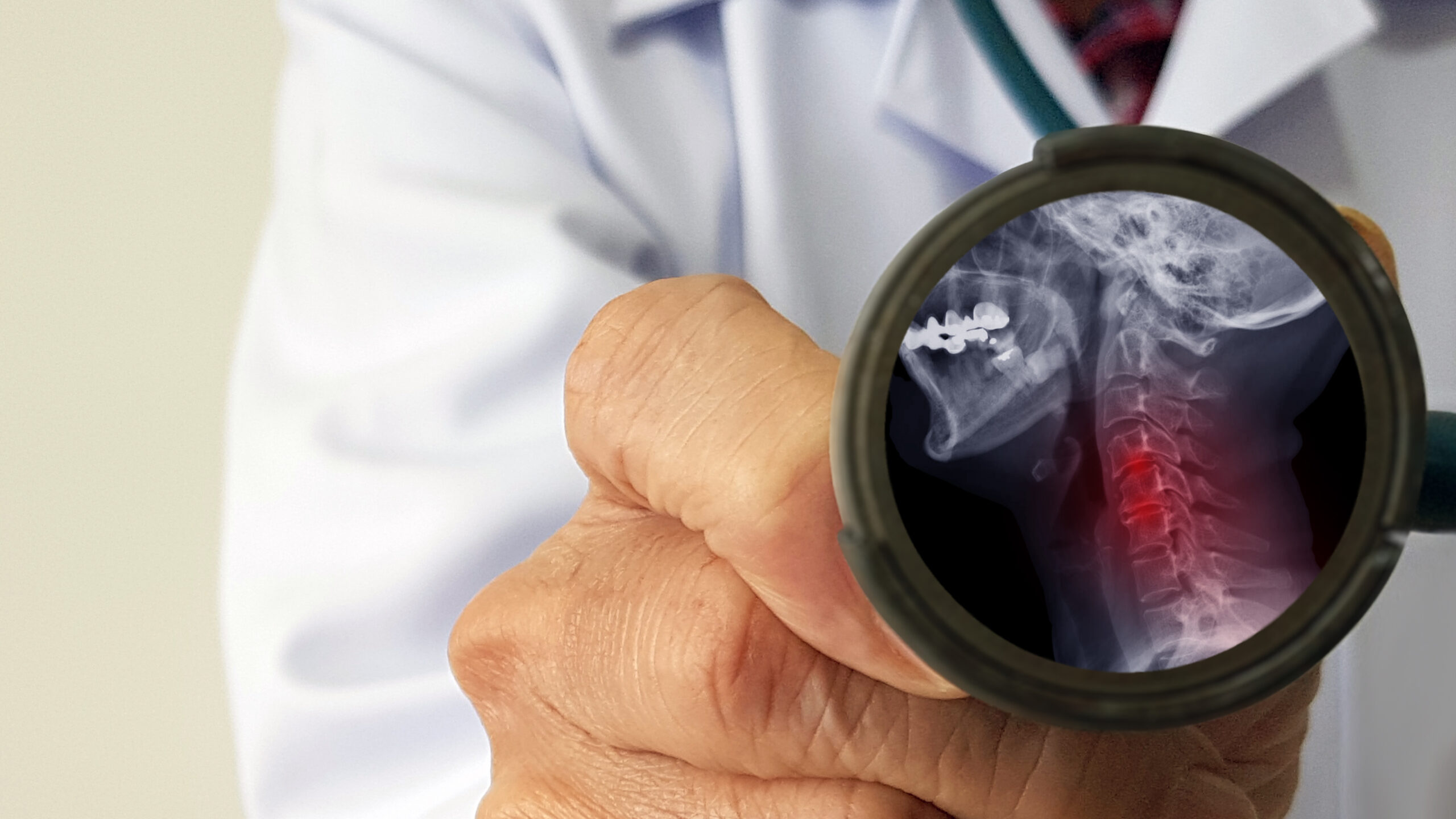
Cervical myelopathy occurs when the spinal cord in the neck is compressed by bone spurs, bulging discs, or thickened ligaments, often due to cervical spondylosis, or age-related degeneration. When both conditions are present, it’s called cervical spondylosis with myelopathy.
Common symptoms include:
- Numbness or tingling in the arms or hands
- Hand weakness or clumsiness when gripping or buttoning clothing
- Trouble walking, loss of balance, or frequent falls
- Neck stiffness or pain
- In advanced cases, bowel or bladder changes
These symptoms stem from spinal cord pressure rather than a single pinched nerve and can progress slowly and subtly. If untreated, the nerve tissue may sustain permanent injury. Once spinal stenosis or other causes of cervical myelopathy progress far enough, the treatment options become more limited, often leading to surgery.
Is Surgery Necessary for Cervical Myelopathy?
Patients with spinal cord issues who show neurological symptoms likely require surgery. Although physical therapy may be an option for less severe cases, your doctor may recommend surgery if the symptoms are bad or worsening. Cervical spondylotic myelopathy surgery helps by creating more space in the spinal canal, which removes the pressure on the spinal cord and nerves. The aim is to stabilize and hopefully improve these neurological problems.
Types of Cervical Myelopathy Spine Surgery
One thing to keep in mind as you pursue treatment is that there is no single “best” procedure for everyone. The ideal operation depends on the cause, location, and severity of compression, as well as the number of vertebrae involved.
Here are the most common surgical options:
Anterior Cervical Discectomy and Fusion (ACDF)
ACDF is one of the most frequently performed cervical myelopathy spinal surgeries. The surgeon removes the damaged disc or bone spurs through the front of the neck, decompressing the spinal cord and nerve roots.
A small bone graft or cage is placed to maintain proper spacing, and the vertebrae are fused using a plate and screws.
Advantages:
- ACDF offers reliable decompression.
- The procedure maintains alignment and stability.
- Often results in excellent pain and function improvement.
Considerations:
- Fusion eliminates motion at the treated level.
- Adjacent discs may experience added stress over time.
Cervical Disc Arthroplasty (Artificial Disc Replacement)
When appropriate, surgeons may replace the diseased disc with an artificial implant instead of performing a fusion.
This motion-preserving option can be ideal for younger, active patients with limited degeneration.
Benefits include:
- Maintains natural neck movement
- Reduces risk of adjacent segment wear
- Faster return to activity in many cases
Not every patient is a candidate. Severe arthritis or deformity require a fusion instead.
Posterior Cervical Laminectomy and Fusion
For patients with extensive compression, compression behind the spinal cord, or baseline swallowing problems, a posterior approach (from the back of the neck) may be best.
During a laminectomy, the surgeon removes the lamina—the bony “roof” covering the spinal canal—to create more space.
If instability is present, a fusion is performed at the same time to stabilize the spine using rods and screws.
Pros:
- Treats multi-level compression effectively
- Reliable long-term results for severe stenosis
Cons:
- Leads to loss of neck mobility
- Recovery tends to be more painful and longer compared to anterior procedures
Laminoplasty (Motion-Preserving Posterior Surgery)
Laminoplasty is a specialized procedure that opens the spinal canal like a “door,” creating more room for the spinal cord without removing bone entirely. Unlike a laminectomy, a laminoplasty preserves motion and may avoid fusion. It’s often chosen for patients with normal spinal alignment and compression at several levels.
It's time to get back
to doing what you love.
Which Cervical Myelopathy surgery is the right choice?
There is no specific standard of care when selecting surgery for cervical spondylotic myelopathy. What works for one patient may not be appropriate for another. Your doctor may recommend one type of surgery over another based on your unique situation. The process of determining the appropriate surgery involves:
- The patient’s unique qualities and desires
- Which surgeries are familiar to your surgeon
- What the medical literature supports
How Surgeons Recommend the Right Procedure
Every patient’s spine anatomy and lifestyle are unique, which means the choice of cervical myelopathy surgery should be individualized.
Surgeons consider:
- Imaging results: MRI, CT scans, and/or X-rays reveal the exact points of compression and spinal alignment.
- Number of levels involved: One or two levels often favor ACDF or disc replacement; multiple levels may require a posterior approach.
- Alignment: Kyphosis (forward curvature) may necessitate fusion.
- Patient age and health: Younger, active individuals may prefer motion-preserving options; older patients might benefit from stability provided by a fusion.
- Surgeon experience: The most successful outcomes come from high-volume spine surgeons familiar with multiple techniques.
Before recommending surgery, your neurosurgeon will explain each option’s benefits, risks, and expected outcomes to help you make an informed choice.
Recovery After Cervical Myelopathy Surgery
Most patients notice improvement in hand coordination, walking, and overall strength within weeks of surgery, but the extent of recovery depends on the severity of symptoms and how long symptoms have existed.
Early Postoperative Period
- Outpatient or a short hospital stay is often the case – depending on extent of surgery
- A neck brace may be used to prevent unwanted neck movements
- Gradual return to walking and light activities
Long-Term Recovery
- Physical therapy to improve loss of function and range of motion
- Avoiding heavy lifting for several weeks
- Follow-up imaging to confirm fusion or proper alignment
Surgery can’t reverse spinal cord damage that’s already occurred, however many patients experience meaningful improvement in function and quality of life once compression is relieved.
When to Seek a Specialist
If you’re noticing progressive hand tingling, weakness, balance trouble, or difficulty with fine motor tasks, don’t wait. These may be signs of advancing cervical myelopathy that needs evaluation.
At Neurosurgeons of New Jersey, our board-certified spine surgeons specialize in cervical myelopathy surgery and other advanced procedures to relieve pressure on the spinal cord safely and effectively.
We’ll review your imaging, discuss whether surgery for cervical myelopathy is necessary, and create a treatment plan tailored to your goals. Our insurance specialists can help navigate the financial aspects of your care so you can focus on recovery.
Frequently Asked Questions
What is cervical myelopathy surgery?
It’s an operation that removes pressure from the spinal cord in the neck, usually by removing bone or disc material and stabilizing the spine if needed.
Can cervical myelopathy improve without surgery?
Mild, stable cases can be managed conservatively, but progressive symptoms often require surgery to prevent permanent nerve damage.
How effective is surgery for cervical spondylosis with myelopathy?
When performed before severe cord injury, surgery is highly effective in halting progression and often improves strength, balance, and coordination.
Is cervical myelopathy spinal surgery safe?
Yes. In experienced hands, serious complications are rare, and most patients experience significant neurological improvement.
How long does recovery take?
Many return to light activities within a few weeks, but maximal neurological recovery and bone healing can take months, depending on the procedure and your overall health.
Take the Next Step Toward Relief
Deciding on surgery for cervical myelopathy can feel complex, but it’s not a choice you make on your own. Our spine specialists can provide the guidance and support you need to help you move forward with confidence and clarity. With several convenient locations throughout New Jersey and New York, our patient-centered approach to care can help.
If you’d like to learn more about cervical myelopathy spinal surgery or surgery for cervical spondylosis with myelopathy, contact our office today to schedule a personalized consultation.

About Dr. Michael G. Kaiser
Dr. Michael G. Kaiser is a nationally recognized neurosurgeon in North Jersey and is a proud member of Neurosurgeons of New Jersey, practicing out of their Ridgewood office conveniently located on East Ridgewood Avenue. Dr. Kaiser specializes in complex and minimally invasive spine surgeries.