Chiari malformation type 1 affects people differently, and an MRI finding does not always mean someone needs surgery. Dr. Gaetan Moise addresses 10 common myths about symptoms, diagnosis and treatment, while one patient shares her path to care.
Chiari malformation type 1 affects people differently, and an MRI finding does not always mean someone needs surgery. Dr. Gaetan Moise addresses 10 common myths about symptoms, diagnosis and treatment, while one patient shares her path to care.
Finding a brain aneurysm on an MRI or CT scan can be alarming, but an unruptured aneurysm does not automatically mean emergency surgery. Learn how specialists evaluate an aneurysm’s size, shape, location, growth and other risk factors to determine whether monitoring or treatment is appropriate.
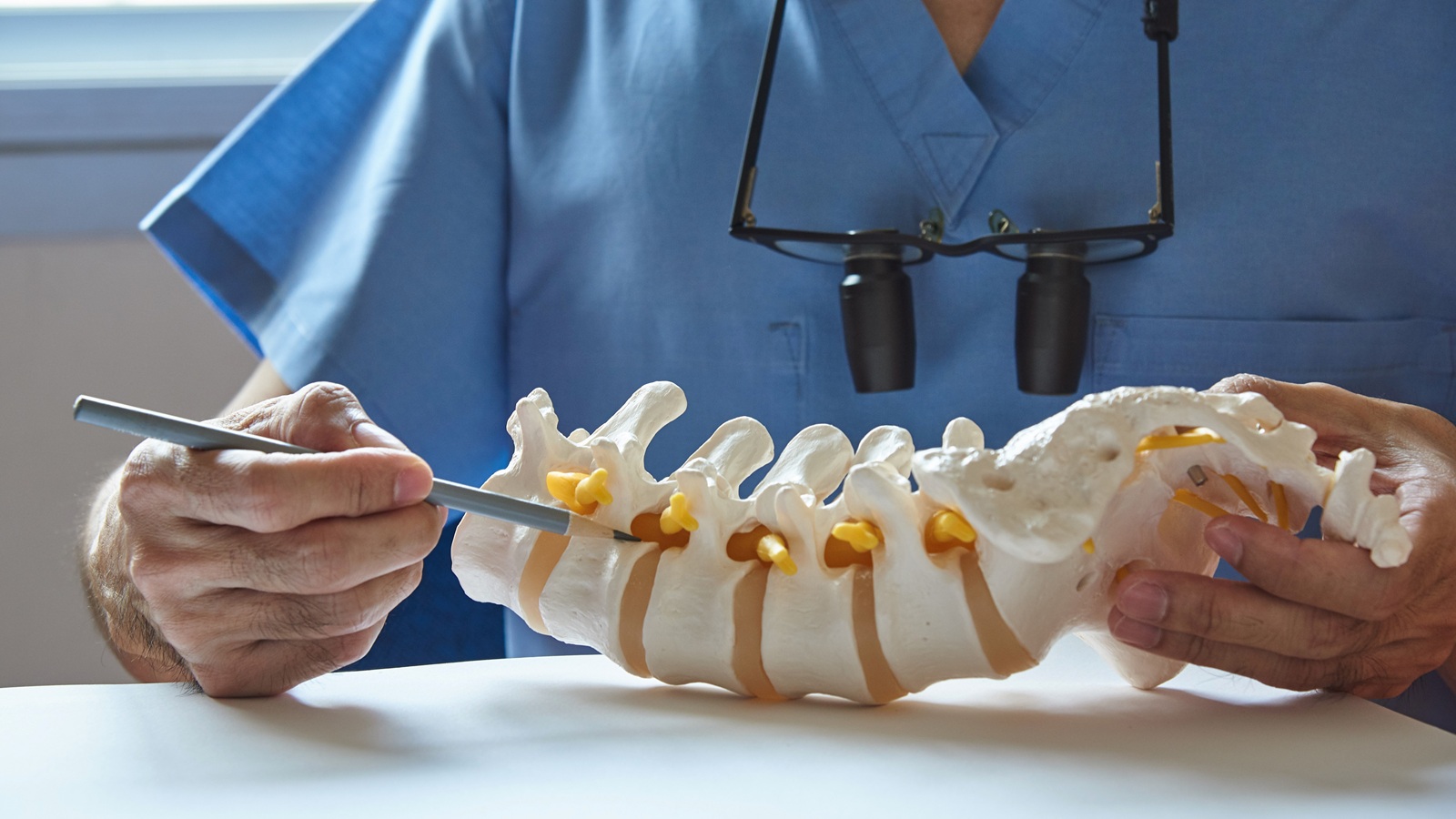
TLIF and PLIF are two approaches to lumbar spinal fusion that can help treat certain conditions affecting the lower back. While both procedures fuse vertebrae and relieve pressure on spinal nerves, they differ in how the surgeon accesses the spine and handles surrounding tissue. Learn how TLIF and PLIF compare, including their surgical approaches, recovery, and factors that may influence which procedure your spine surgeon recommends.
Anita Hastings suffered a severe cervical spinal cord injury after a fall that left her unable to move her arms and legs. Following emergency ACDF surgery, months of rehabilitation, and years of continued recovery, she regained significant mobility and independence. Her story highlights the importance of timely treatment, rehabilitation, and the fact that spinal cord recovery can continue for months or even years.
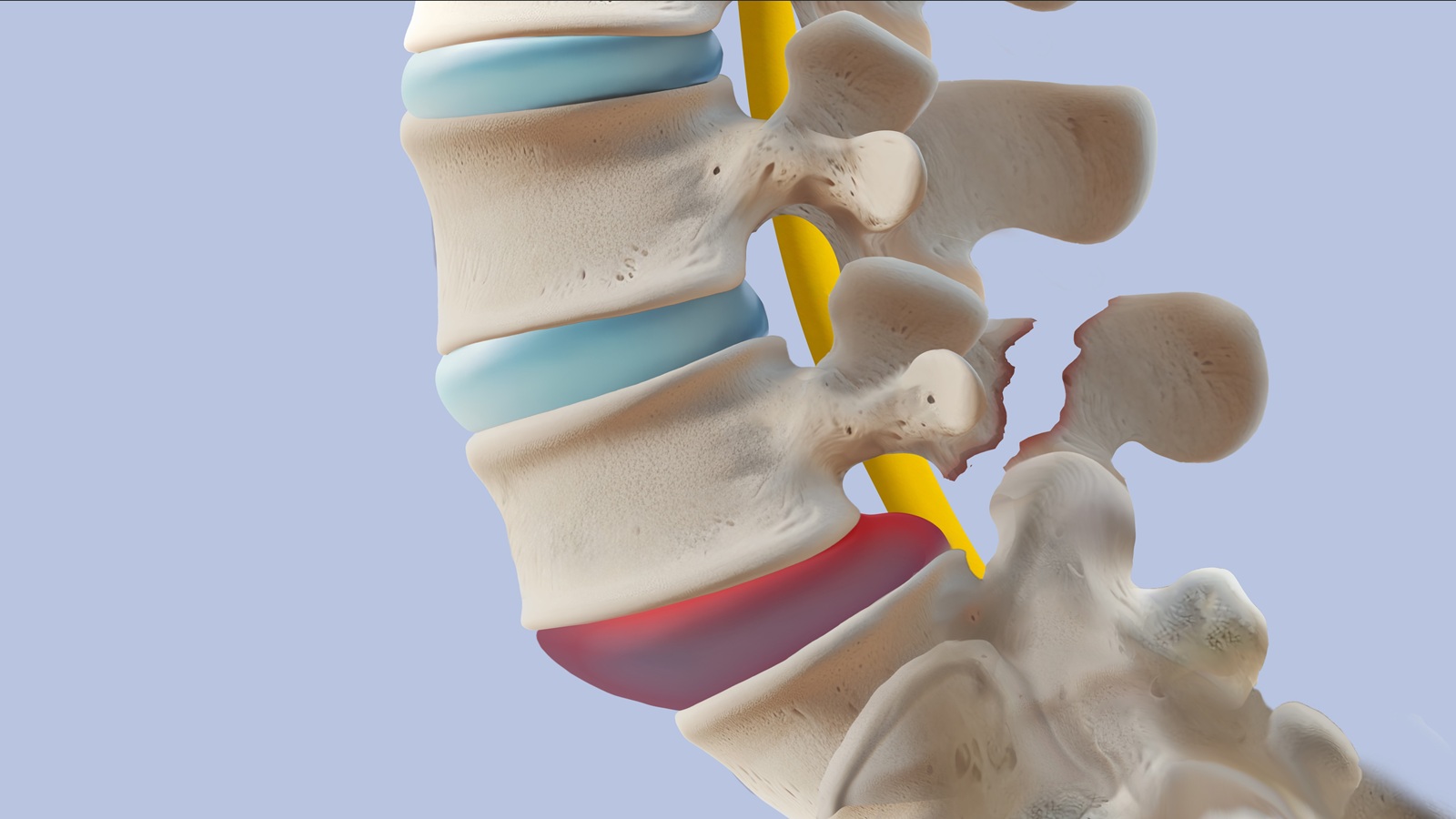
A pars defect is a stress fracture in a small bridge of bone in the lower spine, most common in teen athletes who play sports involving repeated back extension, like gymnastics, football, and dance. While the injury can sound alarming, most cases heal with rest, physical therapy, and activity changes, and surgery is rarely needed at diagnosis. Learn how pars defects are diagnosed, treated, and what long-term recovery looks like.