

Cervical spinal stenosis is most often associated with neck pain, numbness, weakness, and coordination problems. However, many patients notice something less obvious but just as disruptive: ongoing fatigue. If you have cervical spinal stenosis and feel unusually tired, the two may be connected.
Understanding how spinal cord and nerve compression affects the body helps explain why fatigue is a common but overlooked symptom.
What Is Cervical Spinal Stenosis?
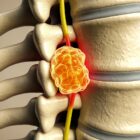
Cervical spinal stenosis occurs when the spinal canal in the neck narrows and puts pressure on the spinal cord or nearby nerve roots. This narrowing is usually caused by age-related changes such as disc degeneration, arthritis, bone spurs, or thickened ligaments.
Because the cervical spine protects the spinal cord, even small amounts of narrowing can interfere with the signals that travel between the brain and the rest of the body. This is why symptoms can affect not just the neck but also the arms, hands, legs, and overall coordination.
Why Cervical Spinal Stenosis Can Cause Fatigue
Fatigue associated with cervical stenosis is not simply about feeling tired. It develops from multiple physical and neurological stresses created by spinal cord and nerve compression.
Nerve Compression Increases Physical Effort
When nerves do not transmit signals efficiently, muscles must work harder to perform everyday movements. Tasks such as holding objects, maintaining posture, or walking require more effort, which leads to faster exhaustion.
Muscle Weakness Leads to Faster Fatigue
Cervical stenosis can weaken the muscles of the arms, shoulders, and upper back by limiting nerve input. Weak muscles fatigue more quickly, making routine activity feel draining.
Pain Disrupts Sleep and Recovery
Neck pain and nerve symptoms often worsen at night, preventing deep, restorative sleep. Poor sleep quality is a major contributor to persistent daytime fatigue.
Spinal Cord Compression Affects Endurance
When stenosis progresses to cervical myelopathy, the spinal cord itself becomes compressed. This can reduce coordination, strength, and endurance, all of which contribute to chronic fatigue.
It's time to get back
to doing what you love.
How Cervical Spinal Stenosis Is Diagnosed
At Neurosurgeons of New Jersey, diagnosis begins with a thorough neurological exam and review of symptoms. Spine imaging, such as MRI or CT scans, allows specialists to see spinal canal narrowing, nerve compression, and spinal cord involvement.
Treatment Options That Can Improve Fatigue
Because fatigue is driven by nerve dysfunction, pain, and muscle strain, treating the underlying stenosis often leads to improved energy.
Nonsurgical Treatments
Many patients benefit from:
- Physical therapy to strengthen neck and shoulder muscles
- Posture and activity modifications
- Pain and inflammation management
Reducing pain and improving muscle efficiency can significantly reduce fatigue.
Surgical Treatment
When stenosis is severe or worsening, surgery may be needed to decompress the spinal cord or nerves. Patients often notice improvements not only in pain and weakness but also in stamina and overall energy once nerve function is restored.
Get Answers and Relief With Expert Cervical Spine Care
Fatigue is not just a side effect of aging or a busy lifestyle. In many patients, it is a sign that the spinal cord or nerves are under stress. Cervical spinal stenosis can quietly drain your energy by interfering with nerve signals, muscle function, and sleep.
At Neurosurgeons of New Jersey, our specialists diagnose and treat the full range of cervical spine conditions, helping patients regain strength, mobility, and quality of life. If fatigue is holding you back and neck or arm symptoms are present, a comprehensive spine evaluation can help uncover the cause and guide the right treatment.
Frequently Asked Questions
Can cervical spinal stenosis make you feel weak and tired?
Yes. Cervical spinal stenosis can disrupt nerve signals to muscles, causing weakness and making even light activity require more effort. Over time, this leads to physical fatigue.
Can nerve compression in the neck cause whole-body fatigue?
Yes. When the spinal cord is compressed, especially in cervical myelopathy, the brain has more difficulty communicating with the body. This can reduce coordination, strength, and endurance, contributing to overall fatigue.
Does surgery for cervical stenosis help with fatigue?
In many patients, yes. By relieving pressure on the spinal cord and nerves, surgery can restore normal nerve function, reduce pain, and improve physical stamina.
How do I know if my fatigue is from cervical stenosis or something else?
Fatigue related to cervical stenosis is usually accompanied by neurological symptoms such as numbness, weakness, or balance problems. Imaging and a neurological exam can help determine the cause.
When should I see a neurosurgeon?
You should seek evaluation if fatigue is combined with neck pain, arm symptoms, coordination issues, or progressive weakness.

About Ridgewood
Our team of board certified physicians, located in Ridgewood, New Jersey, are dedicated to bringing you the latest developments and treatment options for spinal surgery. We strive to produce the most clarified & clear content to help you make informed decisions on your medical journey. The road to feeling like your true self should not feel lonely- Let us help you. Please call us to schedule a consultation and speak to one of our team members.