

A herniated disc in the lower back can be painful, frustrating, and disruptive to daily life. Symptoms may range from persistent low back discomfort to sharp leg pain, numbness, or weakness that makes standing, walking, or sitting difficult. While the diagnosis often sounds alarming, many people are relieved to learn that surgery is not always required.
Understanding herniated lumbar disc treatment options allows patients to make informed decisions and avoid unnecessary procedures. This guide explains how lumbar disc herniations develop, why many heal naturally, and when additional treatment may be appropriate.
What Is a Herniated Lumbar Disc?
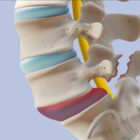
The lumbar spine is made up of vertebrae separated by intervertebral discs that absorb shock and allow movement. Each disc has a soft inner center surrounded by a tough outer layer. When the outer layer weakens or tears, the inner material can bulge or leak outward, creating a herniated disc.
When this herniation presses on nearby spinal nerves, it can cause symptoms such as lower back pain, sciatica, tingling, numbness, or muscle weakness in the leg or foot. The severity of symptoms depends on the size and location of the herniation and how much nerve irritation is present.
Why Most Herniated Lumbar Discs Improve Without Surgery
One of the most important facts about treatment for herniated lumbar disc conditions is that most improve with time. The body has natural mechanisms that reduce inflammation and gradually shrink herniated disc material.
As swelling around the nerve decreases, pain often improves. For this reason, initial treatment usually focuses on symptom management rather than immediate surgical intervention. This conservative approach allows healing to occur while minimizing risk.
Early Herniated Lumbar Disc Treatment Options
Early treatment is designed to reduce pain, improve mobility, and support healing. Activity modification helps avoid movements that worsen symptoms while still encouraging gentle motion. Prolonged bed rest is generally discouraged, as it can delay recovery.
Physical therapy plays a central role in early care. A guided program focuses on strengthening the core, improving posture, and reducing strain on the lumbar spine. Medications may be used short-term to manage inflammation and discomfort so patients can remain active.
These lumbar herniated disc treatment options are effective for many patients within the first several weeks of care.
It's time to get back
to doing what you love.
Evidence-Based Treatment Timeline
During the first six weeks, conservative treatment is typically emphasized. Many patients notice gradual improvement during this period. By three months, a significant percentage experience meaningful symptom relief.
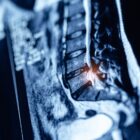
If symptoms persist beyond this timeframe or worsen despite appropriate care, further evaluation may be necessary. Imaging, such as MRI, can help determine whether nerve compression remains and whether additional treatment options should be considered.
When Is Surgery Necessary?
Surgery is generally considered when conservative treatment fails to relieve symptoms or when nerve function is threatened. Progressive weakness, difficulty walking, or loss of bowel or bladder control requires urgent medical evaluation.
In these cases, herniated disc treatment lumbar surgery may be recommended to relieve pressure on the affected nerve. The decision to proceed with surgery is based on imaging findings, symptom severity, and impact on quality of life.
Minimally Invasive Surgical Options
When surgery is appropriate, minimally invasive techniques are often used. Procedures such as microdiscectomy remove the portion of the disc compressing the nerve while preserving the surrounding tissue.
These approaches typically involve smaller incisions, less muscle disruption, and shorter recovery times compared to traditional surgery. Often, these surgeries can be performed in outpatient procedure centers, avoiding the hospital altogether. Many patients are able to return home the same day or after a short hospital stay.
Recovery After Herniated Lumbar Disc Treatment
Recovery timelines vary depending on the treatment approach. With conservative care, improvement often occurs gradually over weeks or months. Surgical recovery involves a structured plan that includes activity restrictions and physical therapy.
Most patients experience significant leg pain relief relatively quickly after surgery, while full recovery continues over time. Following medical guidance closely helps reduce the risk of recurrence.
Choosing the Right Treatment Path
There is no single answer for how to treat a herniated lumbar disc. Effective care depends on symptom severity, response to treatment, imaging findings, and personal goals.
A consultation with a spine specialist helps clarify which herniated lumbar disc treatment options are appropriate and when intervention may be beneficial. The goal is safe recovery, symptom relief, and long-term spinal health.
Frequently Asked Questions About Herniated Lumbar Disc Treatment
How long does a herniated lumbar disc take to heal?
Many herniated lumbar discs begin to improve within several weeks. For most patients, meaningful symptom relief occurs within six to twelve weeks with conservative care. Healing timelines vary depending on the size of the herniation, degree of nerve involvement, and how closely treatment recommendations are followed.
Do all herniated lumbar discs require surgery?
No. Most patients do not need surgery. Herniated lumbar disc treatment typically starts with non-surgical options such as physical therapy, activity modification, and pain management. Surgery is usually considered only when symptoms persist or worsen despite appropriate conservative care.
What treatments help a herniated disc heal faster?
Staying active within safe limits, participating in a structured physical therapy program, and avoiding movements that aggravate symptoms can support recovery. Early evaluation and consistent adherence to a treatment plan often help reduce pain and shorten recovery time.
When is surgery necessary for a herniated lumbar disc?
Surgery may be recommended when pain does not improve after several weeks of conservative treatment or when there is progressive weakness, numbness, or difficulty walking. Sudden changes in bowel or bladder function require immediate medical evaluation.
Can a herniated lumbar disc come back after treatment?
Yes, recurrence is possible. Long-term outcomes improve when patients maintain core strength, practice proper body mechanics, and address contributing factors such as posture and repetitive strain.

About Dr. Jonathan Yun
Dr. Jonathan Yun is a board-certified neurosurgeon who focuses on helping patients with spine disorders. He uses advanced, minimally invasive techniques to reduce recovery time and make surgery safer and less painful. With tools like computer-guided systems, advanced imaging technologies, and robotic-assisted surgery, Dr. Yun is able to provide precise, tailored care. His expertise covers a wide range of treatments, from highly targeted procedures to alleviate pressure on nerves to performing minimally-invasive fusions and correcting spinal deformities. Dr. Yun is currently accepting new patients.