
If your doctor has recommended spinal decompression surgery, you may feel both hopeful and nervous. Most people want the same two things: relief from pain and a return to normal daily life.
Lumbar conditions such as spinal stenosis, herniated discs, or nerve compression can make simple activities difficult. These conditions can cause pain when you sit, walk, or sleep. Your doctor may recommend surgery if other treatments no longer provide enough relief.
Learning what to expect before, during, and after lumbar decompression surgery can help reduce stress. When you understand the process, you can prepare more confidently and focus on healing. At Neurosurgeons of New Jersey, patient education plays an important role in surgical care.
Preparing for Lumbar Decompression Surgery
Preparation begins well before the day of surgery. Taking time to plan ahead can make your experience smoother and help you recover more comfortably.
Complete Paperwork Ahead of Time
Try to finish all required paperwork before the day of surgery. This may include:
- Medical history forms
- Consent documents
- Insurance verification
Confirm your insurance coverage and understand any out-of-pocket costs. Knowing these details early helps avoid added stress later.
Arrange Support at Home
You will need extra rest during the early stages of recovery. Before surgery, plan for help with:
- Transportation to and from the hospital
- Cooking and household chores
- Childcare or pet care
- Adjustments to your sleeping area
You may have lifting restrictions after surgery. Preparing your home in advance helps prevent strain on your healing spine.
Complete Pre-Surgery Testing
Your surgeon may order tests to make sure your body is ready for surgery. These tests can include blood work, imaging scans, or heart evaluations.
Follow all instructions carefully. This may include stopping certain medications or fasting before surgery. These steps help reduce risks and support a safe procedure.
What Happens on the Day of Surgery
On the day of surgery, you will usually arrive early. This allows time for preparation and final checks.
Preoperative Preparation
After checking in, you will:
- Change into a hospital gown
- Have an IV line placed for fluids and medications
- Have your vital signs measured
- Review your medical history with the care team
You will also meet your anesthesiologist. This doctor will explain how anesthesia works and answer any questions about pain control.
Once everything is ready, you will be taken to the operating room.
Understanding Lumbar Decompression Surgery
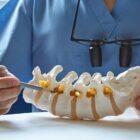
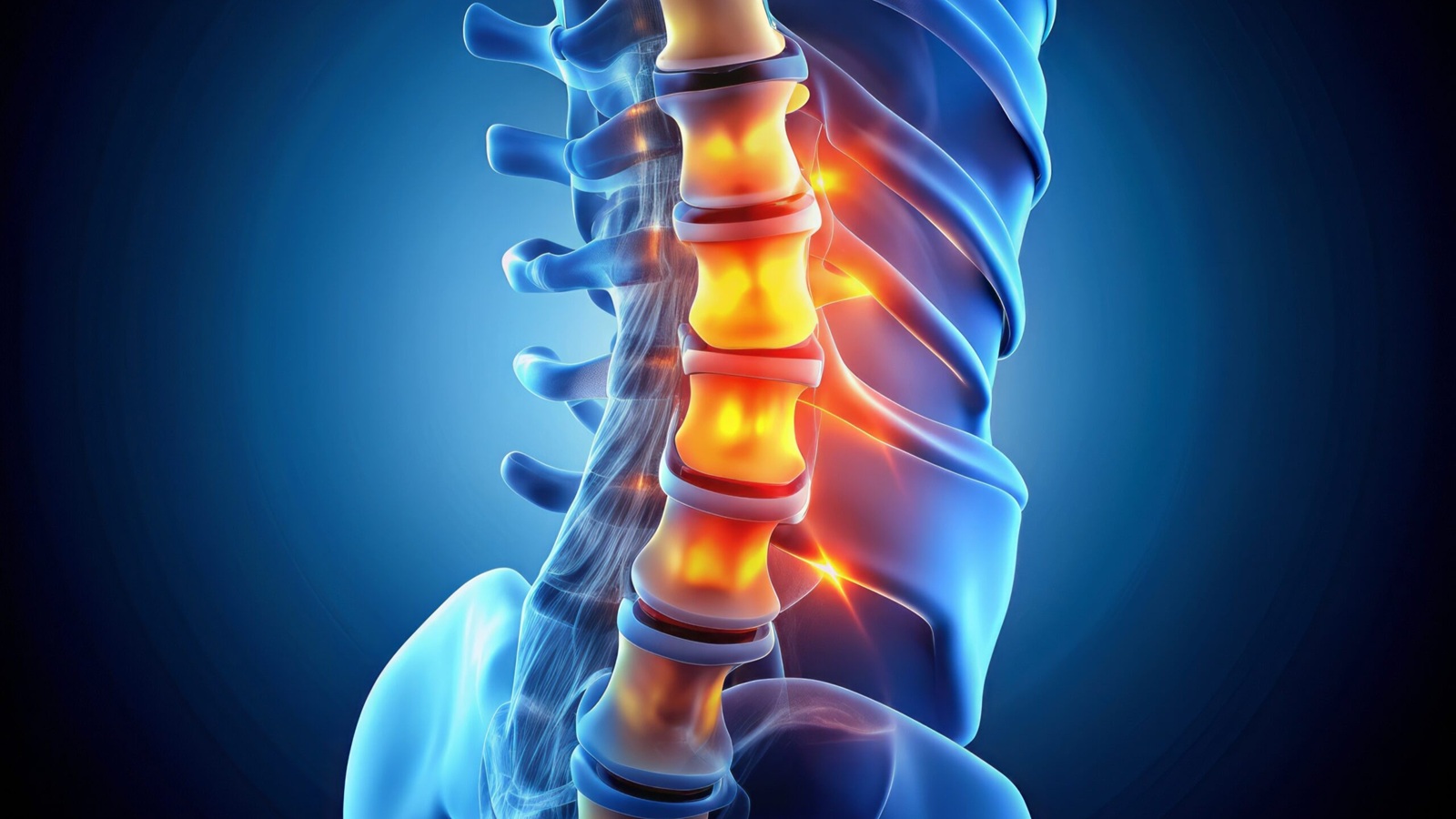
Lumbar decompression surgery reduces pressure on the spinal cord or nerve roots. This pressure can cause pain, numbness, or weakness.
Modern techniques often use minimally invasive methods. These methods involve smaller incisions and specialized tools. As a result, patients may experience less tissue damage and faster recovery.
Your surgeon will choose the most appropriate procedure based on your condition.
Microdiscectomy
A microdiscectomy removes the portion of a herniated disc pressing on a nerve. The surgeon uses magnification tools to remove only the damaged area while protecting healthy tissue.
Laminectomy
A laminectomy removes part of the vertebra called the lamina. This creates more space in the spinal canal and helps relieve pressure caused by spinal stenosis.
In some cases, the spine may need additional support. When this happens, spinal fusion may be performed. This procedure uses bone grafts and sometimes hardware to stabilize the spine.
Foraminotomy
A foraminotomy widens the opening where nerve roots exit the spine. By removing bone or tissue that compresses the nerve, symptoms such as pain or numbness may improve.
It's time to get back
to doing what you love.
Recovery Right After Surgery
After surgery, you will be moved to a recovery area. Nurses and doctors will closely monitor your:
- Heart rate
- Blood pressure
- Breathing
- Pain levels
Pain medication will be given as needed. Once you are stable and awake, you will be transferred to a hospital room.
Hospital Stay
Patients may go home the same day of surgery or stay in the hospital for one to four days. The length of stay depends on:
- The type of surgery performed
- Whether spinal fusion was needed
- Your overall health
- Your response to pain management
During your stay, you may begin gentle movement or physical therapy. Early activity helps improve circulation and reduces stiffness.
Returning Home After Surgery
Before leaving the hospital, you will receive detailed instructions for recovery at home. Following these instructions is essential for proper healing.
Activity Restrictions
Your surgeon will explain what activities to avoid. These often include:
- Heavy lifting
- Bending or twisting movements
- Driving for a short period
- Sudden or strenuous exercise
Gradually increasing activity protects your surgical site and supports healing.
Fatigue Is Normal
Many patients feel more tired than usual after surgery. This happens because of anesthesia, reduced activity, and the body’s natural healing process.
Plan for extra rest during the first few weeks. Listen to your body and avoid pushing too hard too soon.
Gentle Movement Helps Recovery
Short walks are encouraged during recovery. Walking improves circulation and reduces the risk of complications such as blood clots.
Gentle movement also helps prevent stiffness without placing stress on the spine.
Nutrition Supports Healing
A balanced diet helps your body repair tissues. Focus on foods rich in:
- Protein
- Vitamins
- Minerals
Staying hydrated is equally important. Drinking enough water supports overall recovery.
Smoking and Healing
If you have spinal fusion surgery, avoiding nicotine is critical. Smoking interferes with bone healing and increases the risk of complications. Your surgical team will strongly recommend quitting or avoiding tobacco during recovery.
Follow-Up Care
Follow-up visits are usually scheduled within 2-4 weeks after surgery. During these appointments, your surgeon will:
- Check incision healing
- Review symptom improvement
- Adjust medications if needed
- Order imaging tests when appropriate
In some cases, additional scans such as imaging may be required to monitor healing progress.
When to Contact Your Surgeon
Contact your care team right away if you notice:
- Fever higher than 101°F
- Redness or drainage from the incision
- Severe or worsening pain
- New weakness or numbness
- Loss of bladder or bowel control
Early communication allows your care team to address complications quickly. Prompt treatment can prevent more serious problems.
A Careful Recovery Leads to Better Results
Preparing for spinal decompression surgery may take extra time and effort. However, planning ahead helps reduce stress and supports a smoother recovery.
At Neurosurgeons of New Jersey, surgical planning and postoperative care are tailored to each patient. Understanding what to expect helps you take an active role in your healing journey.
If you are experiencing symptoms of nerve compression or would like to learn more about treatment options, speaking with a neurosurgical specialist can provide clarity and reassurance.
Frequently Asked Questions
How long does lumbar decompression surgery take?
Most lumbar decompression procedures take one to three hours. The exact time depends on the type of surgery and how many areas of the spine need treatment. Your surgeon will explain what to expect based on your condition.
Is lumbar decompression surgery painful?
You will not feel pain during surgery because anesthesia is used. After surgery, some soreness is normal. Your care team will provide pain medication and guidance to help you stay comfortable during recovery.
How long is the recovery after lumbar decompression surgery?
Spinal decompression recovery time varies from person to person. Many patients begin light activity within a few weeks. Full recovery can take several weeks to a few months, depending on the procedure and your overall health.
Will I need physical therapy after surgery?
Some patients benefit from physical therapy during recovery. Therapy can help improve strength, flexibility, and movement. Your surgeon will recommend therapy if it supports your healing process.
When can I return to work after lumbar decompression surgery?
This depends on your job and the type of surgery you had. Patients with desk jobs may return within a few weeks. Jobs that require heavy lifting or physical activity may require a longer recovery period.
What activities should I avoid after surgery?
You should avoid heavy lifting, bending, twisting, and high-impact exercise during early recovery. Your surgeon will give specific guidelines based on your procedure and progress.
Does lumbar decompression surgery provide permanent relief?
Many patients experience long-term relief after surgery. However, outcomes depend on the underlying condition, overall spine health, and following postoperative instructions carefully.
What are the risks of lumbar decompression surgery?
All surgeries carry some risk. Possible risks include infection, bleeding, nerve injury, or incomplete relief of symptoms. Your surgeon will review these risks with you before the procedure.
How do I know if lumbar decompression surgery is right for me?
Surgery may be recommended if symptoms continue despite non-surgical treatments such as medication, physical therapy, or injections. A neurosurgical evaluation helps determine the best treatment plan for your condition.
When should I call my surgeon after surgery?
You should contact your surgeon if you develop fever, severe pain, new weakness, wound drainage, or loss of bladder or bowel control. Early communication helps prevent complications.

About Dr. William S. Cobb
Dr. William Cobb is an accomplished neurosurgeon in North Jersey and a proud member of Neurosurgeons of New Jersey, practicing out of their Ridgewood office conveniently located on East Ridgewood Avenue. During his Neurological Surgery residency, he became passionate about the development and treatment of brain tumors affecting the brain and spine. Dr. Cobb uses state-of-the-art technology for surgical intervention in the treatment of tumors of the brain and spine including Gamma Knife radiosurgery. He has vast experience in using modern minimally invasive surgery for the treatment of degenerative spine and intervertebral disc disease. Dr. Cobb serves as the Director of Neurosurgical Oncology at Valley Hospital. He's accepting new patients.