
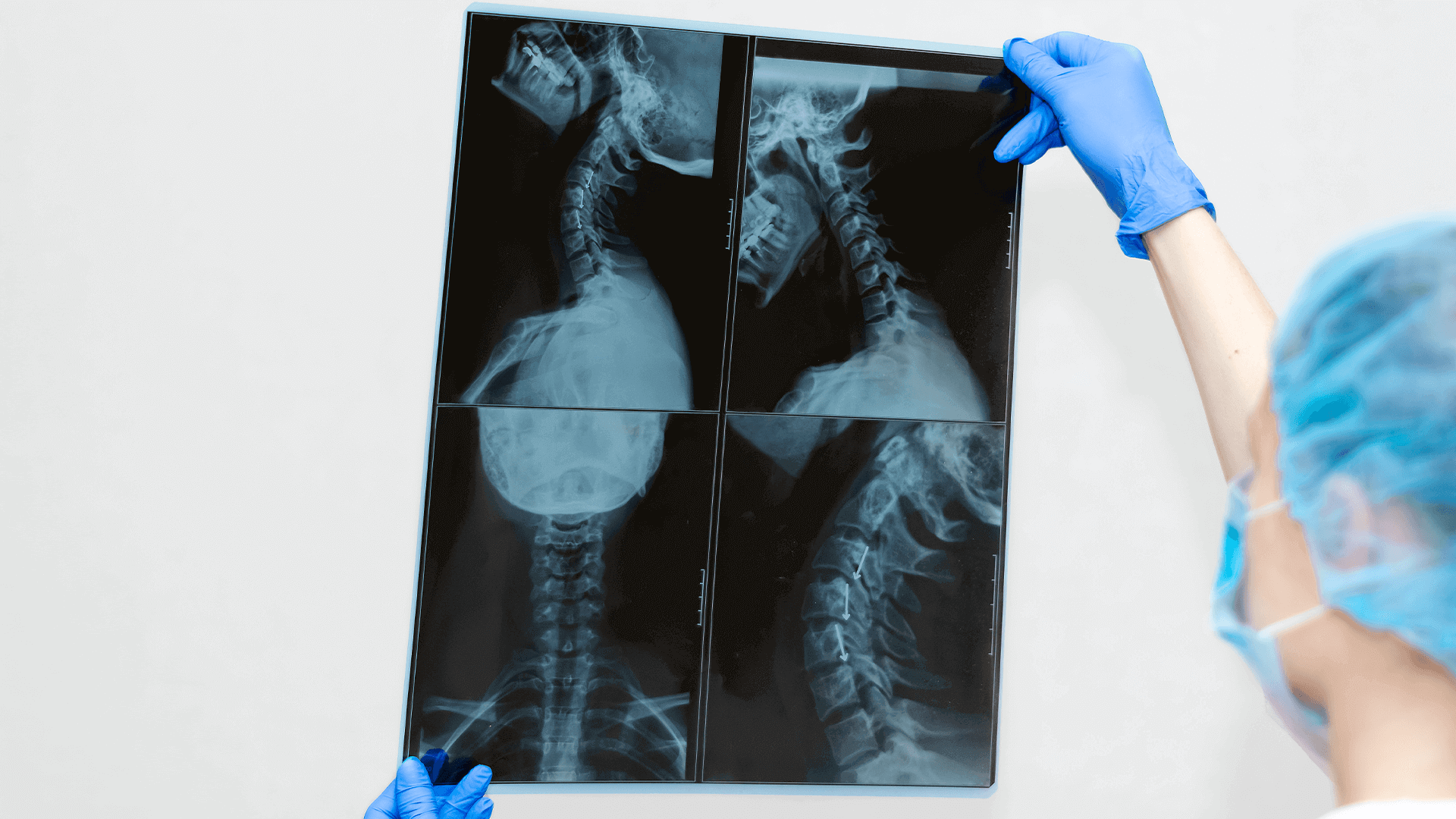

Getting cervical disc replacement surgery is a big decision. You’ve probably been dealing with neck pain, numbness, or weakness for months or even years. The good news? Life after cervical disc replacement can be dramatically different from the chronic pain you’ve been experiencing.
Unlike traditional fusion surgery, cervical disc replacement is designed to maintain the natural movement of your neck following removal of a damaged cervical disc. Most patients experience a significant decrease in pain allowing them to return to activities they had to avoid and resume a quality of life they enjoy.
What to Expect in Your First Week Home
The first week after cervical disc replacement surgery centers around rest and allowing your body to initiate the healing process. You’ll likely feel tired, that’s completely normal. Your body has just been through a significant procedure, and fatigue is your body’s way of directing energy toward healing.
Managing discomfort during week one:
- Take prescribed pain medications as directed (staying ahead of pain is easier than catching up to it)
- Apply ice packs gently to reduce swelling around the surgical site
- Reduce your activities to walking reasonable distances
- You can resume sleeping in positions you find comfortable
Most people initially experience some throat soreness or difficulty swallowing. This happens because the surgeon approaches your spine through the front of your neck. These symptoms typically resolve within a few days.
You will not need to wear any type of brace after surgery. One of the benefits of disc replacement over fusion is that you can begin gentle neck movement right away.
Weeks 2-6: Building Back Your Strength
By the second week, many patients notice a significant improvement in their energy levels. Your surgical incision should be healing well, and you’ll likely have your first follow-up appointment to check your progress.
Activities you can gradually return to:
- Light work duties (if your job doesn’t involve heavy lifting)
- Driving short distances (once you’re off prescription pain medications)
- Basic household tasks like cooking and light cleaning
- Resuming mild exercise
What to avoid during this phase:
- Lifting anything heavier than 10-15 pounds
- High-impact activities or contact sports
- Repetitive neck movements for extended periods
- Any activity that causes neck pain
Physical therapy often starts around week 2-4, depending on your surgeon’s preference. Your therapist will teach you specific exercises to strengthen your neck muscles and improve flexibility. These exercises are crucial for your long-term success; patients who commit to physical therapy typically achieve better outcomes.
Months 2-3: Returning to Normal Activities
This is when most patients really start to feel like themselves again. The artificial disc has had time to settle, and your muscles have regained much of their strength. You’ll likely be cleared for more vigorous activities during this phase.
What becomes possible:
- Return to full work duties
- Resume most recreational activities
- Begin cardio exercises like bicycle riding, jogging, or swimming
- Routine strength training
- Travel
Your surgeon will provide specific guidelines based on your progress in healing. Some patients are cleared for all activities within 6-8 weeks, while others require a few more weeks before being cleared for everything.
Life After Full Recovery: What’s Different?
Most patients complete their recovery within 3-6 months. Once you’re fully healed, life after cervical disc replacement offers remarkable freedom compared to living with chronic neck pain or neurological problems.
The long-term benefits patients report:
- Pain relief: The vast majority of patients experience significant pain reduction or complete elimination of pain
- Maintained mobility: Unlike fusion surgery, your neck retains its natural movement
- Return to activities: You can typically resume all the sports and hobbies you enjoyed before your neck problems began
- Better sleep: Without constant pain, many patients sleep better
- Improved mood: Pain affects mental health; relief often brings renewed optimism and energy
Taking Care of Your New Disc
While cervical disc replacements are designed to last many years, taking good care of yourself helps ensure the best long-term results.
Habits that support your spine health:
- Stay active: Regular low-impact exercise keeps your neck muscles strong and flexible
- Maintain good posture: Whether working at a computer or watching TV, keep your head in a neutral position
- Don’t smoke: Smoking impairs healing and compromises bone strength that can adversely affect the disc replacement
- Eat a balanced diet: Proper nutrition supports tissue health and healing
- Stay hydrated: Your remaining discs need adequate hydration to function properly
Potential Long-Term Considerations
Most patients have no permanent restrictions after cervical disc replacement. However, it’s wise to use common sense with certain activities:
- Contact sports: While not necessarily prohibited, sports with high collision risk should be approached carefully
- Heavy lifting: Most surgeons recommend avoiding repetitive heavy lifting as a career
- High-impact activities: Activities that jar the spine may not be ideal for long-term disc health
The artificial disc is designed to move like your natural disc, but it’s still a mechanical device. Being mindful of activities that put excessive stress on your neck helps ensure years of problem-free function.
Warning Signs to Watch For
While complications after cervical disc replacement are uncommon, it’s important to know when to contact your surgeon:
Call your doctor if you experience:
- Sudden onset of severe neck pain
- New numbness or weakness in your arms or hands
- Difficulty swallowing that worsens over time
- Signs of infection around your incision site
- Any neurological symptoms that concern you
Regular follow-up appointments help catch any issues early. Most surgeons recommend check-ups at 6 weeks, 3 months, 12 months, and 2 years following surgery. After that you are typically discharged.
Warning Signs to Watch For
While complications after cervical disc replacement are uncommon, it’s important to know when to contact your surgeon:
Call your doctor if you experience:
- Sudden onset of severe neck pain
- New numbness or weakness in your arms or hands
- Difficulty swallowing that worsens over time
- Signs of infection around your incision site
- Any neurological symptoms that concern you
Regular follow-up appointments help catch any issues early. Most surgeons recommend check-ups at 6 weeks, 3 months, 12 months, and 2 years following surgery. After that you are typically discharged.
Making the Most of Your Recovery
Your attitude and commitment to recovery play a significant role in your outcome. Patients who stay positive, follow their surgeon’s instructions, and actively participate in physical therapy tend to have the best results.
Tips for success:
- Set realistic expectations for each phase of recovery
- Celebrate small improvements along the way
- Stay connected with your healthcare team
- Don’t rush back to activities before you’re ready
- Focus on the long-term goal of pain-free living
The Bottom Line
Life after cervical disc replacement can be transformative. Most patients find they can return to all the activities they love while enjoying significant pain relief. The key is being patient during recovery and following your surgeon’s guidance.
While everyone heals at their own pace, the vast majority of patients are thrilled with their decision to have cervical disc replacement surgery. The procedure offers an excellent chance to reclaim your life from chronic neck pain.
If you’re considering cervical disc replacement or have questions about your recovery, our experienced spine specialists at Neurosurgeons of New Jersey are here to help guide you through every step of the process.
Ready to take the next step toward pain-free living? Call us today at 551-284-3265 to schedule a consultation with one of our board-certified spine specialists.
FAQs
How long does it take to recover from cervical disc replacement fully?
Most patients reach full recovery within 3-6 months after cervical disc replacement surgery. However, many people return to their normal daily activities much sooner, often within 2-4 weeks for office work and 6-8 weeks for more physically demanding activities. Your individual recovery time depends on factors such as your overall health, age, and adherence to your surgeon’s post-operative instructions. Some patients notice significant improvement in their symptoms within just a few days of surgery.
Will I be able to move my neck normally after cervical disc replacement?
Yes, maintaining normal neck movement is one of the key advantages of cervical disc replacement over fusion surgery. The artificial disc is specifically designed to preserve the natural range of motion in your neck. Most patients can turn their heads, look up and down, and move their necks in all directions just as they did before developing their disc problems. Many patients find that their neck movement is actually better after surgery because they’re no longer limited by pain.
Are there any activities I’ll need to avoid permanently after cervical disc replacement?
For most patients, there are no permanent activity restrictions after cervical disc replacement. Once you’re fully healed (typically 3-6 months), you can usually return to all your favorite activities, including sports and exercise. However, it’s wise to use good judgment with high-risk activities. Some surgeons recommend avoiding contact sports with high collision potential or careers involving repetitive heavy lifting. Your surgeon will provide personalized guidance based on your specific situation and lifestyle goals.
What’s the difference between recovery from cervical disc replacement versus cervical fusion?
Recovery from cervical disc replacement is typically faster and less restrictive than cervical fusion recovery. With disc replacement, you can begin gentle neck movement almost immediately, while fusion patients often need to wear a collar for weeks. Patients undergoing disc replacement typically return to work and normal activities 2-4 weeks sooner than those undergoing fusion. Additionally, because the artificial disc preserves natural movement, there’s less stress on adjacent spinal levels, potentially reducing the risk of future problems in your neck.
How long do cervical disc replacements last, and what happens if mine wears out?
Current clinical studies indicate that most cervical disc replacements are expected to function indefinitely and typically do not need to be revised or replaced. The artificial discs are made from durable materials designed to withstand millions of movements. During your regular follow-up appointments, your surgeon will monitor the disc’s function and position to ensure it continues working properly. Most patients do not require additional surgery related to their disc replacement.

About Dr. Michael G. Kaiser
Dr. Michael G. Kaiser is a nationally recognized neurosurgeon in North Jersey and is a proud member of Neurosurgeons of New Jersey, practicing out of their Ridgewood office conveniently located on East Ridgewood Avenue. Dr. Kaiser specializes in complex and minimally invasive spine surgeries.
Recent Posts:



Please call today to schedule a consultation with me.
(551) 284-3265
Request a consultation with Dr. Kaiser