
Microvascular decompression is a procedure that relieves pressure from a blood vessel pressing on a cranial nerve. By gently separating the vessel from the nerve, the surgery treats the underlying cause of conditions like hemifacial spasm and can provide lasting relief.
What is Microvascular Decompression (MVD)?
Microvascular decompression (MVD) is a surgery used when a blood vessel presses on a cranial nerve and causes problems. When a vessel rubs or pulses against a nerve, it can irritate the trigeminal nerve or the facial nerve. This can lead to facial pain, twitching, or spasms. MVD surgery takes the pressure off the nerve without harming it. Unlike some treatments that intentionally damage a nerve to reduce symptoms, MVD is designed to protect the nerve and provide lasting relief.
Our neurosurgical team will review your imaging, exam results, and past treatments such as medication, injections, or other surgeries to decide if MVD is right for you. This includes cases of trigeminal neuralgia and hemifacial spasm.
What is Microvascular Decompression (MVD) Surgery?
Microvascular Decompression (MVD) Surgery
MVD surgery is brain surgery done under general anesthesia. Your surgeon makes a small cut behind the ear and opens a small area of the skull, roughly the size of a quarter, to reach the nerve near the brainstem. Using a surgical microscope, the surgeon finds the blood vessel pressing on the nerve and gently moves it away. A small Teflon sponge is placed between the vessel and the nerve so they no longer touch.
For trigeminal neuralgia, the focus is on the trigeminal nerve. For hemifacial spasm, the focus is on the facial nerve. Many patients feel better soon after surgery, but final results depend on how irritated the nerve was and what the surgeon finds during the procedure.
What is Microvascular Decompression for Hemifacial Spasm?
Microvascular Decompression for Hemifacial Spasm
Hemifacial spasm happens when a blood vessel presses on the facial nerve, which is the nerve that controls the muscles in your face. Every heartbeat sends a pulse to that sensitive part of the nerve, causing involuntary twitching. It often starts around the eye and can spread to the cheek, mouth, and neck over time.
MVD surgery stops that irritation so the nerve can settle down and stop firing abnormally. Some patients notice improvement right away. Others improve gradually as the nerve heals. Because the facial nerve sits near the structures that control hearing, your team will talk with you about steps to protect your hearing and facial function. If you have other symptoms such as facial pain or numbness, your surgeon will evaluate those too to make sure the treatment plan addresses the root cause.
How Long Does Microvascular Decompression Surgery Take?
Microvascular Decompression Surgery Length
The microvascular decompression procedure length depends on your anatomy, how many vessels are involved, and whether scar tissue is present around the nerve. In most cases, the surgery takes a few hours from start to finish, followed by time in the recovery room.
Additional time is needed for anesthesia and positioning.
Your surgeon can give you a more specific estimate after reviewing your imaging and discussing your history.
What is Microvascular Decompression Surgery Recovery Length?
Microvascular Decompression Surgery Recovery
Recovery from microvascular decompression surgery usually starts with an overnight hospital stay. Your team will monitor your neurological status, manage pain, and help you get moving. Most patients move from the recovery room to a step-down unit and go home once they can walk, eat, and manage discomfort with oral medication.
In the days after surgery, it is common to feel tired, have a headache, or notice a sense of fullness in the ear. Your surgeon will walk you through incision care, activity limits, and when you can return to work. Some symptoms clear up quickly. Others improve over weeks as nerve irritation calms down. Your care team will also let you know what to watch for and when to call, including signs like fever, worsening dizziness, or new facial numbness.
Risks of Microvascular Decompression Surgery
Microvascular Decompression Risks
Like all surgeries, MVD carries some risks. These include bleeding, infection, spinal fluid leak, and anesthesia-related complications. Because the surgery is performed near cranial nerves, there is also a chance of temporary or, in rare cases, lasting facial weakness, facial numbness, balance problems, or hearing loss. Serious complications like stroke are very uncommon but will always be discussed openly during your consultation.
Our surgical teams use real-time monitoring and careful technique to reduce risk wherever possible. If you have other health conditions or take blood thinners, those factors will be addressed before surgery.
What Does a Microvascular Decompression Scar Look Like?
Microvascular Decompression Scarring
The MVD incision is small, straight, and hidden behind the ear within the hairline. Over time, it typically fades and becomes less noticeable. Right after surgery, some swelling and tenderness around the area are normal.
Your surgeon will let you know when it is safe to wash your hair. General scar care may include keeping the area clean and dry, avoiding sun exposure, and using silicone-based products once the incision has fully healed. If you are prone to thick scarring or have concerns about appearance, bring it up ahead of time so your surgeon can plan accordingly.
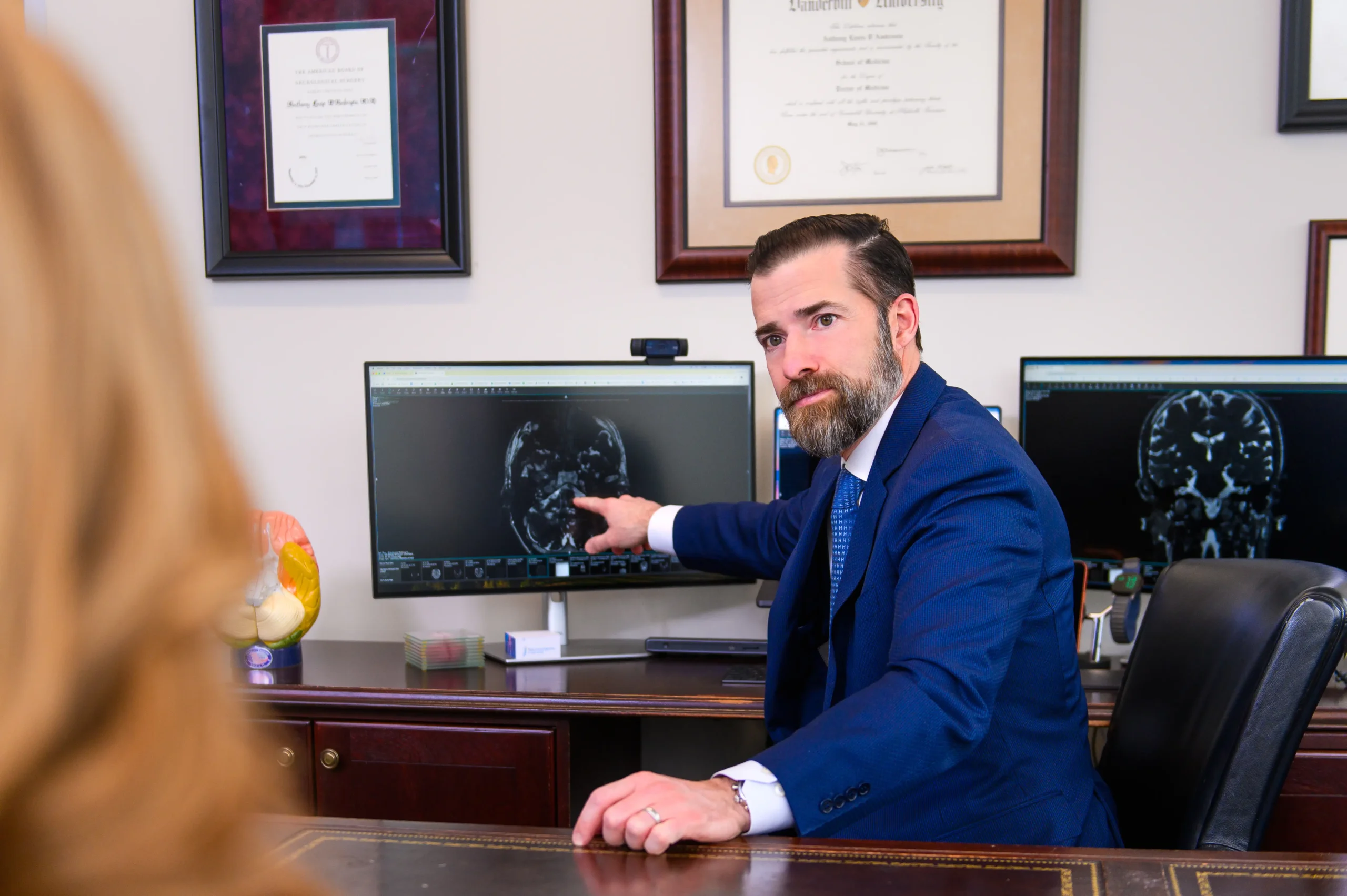
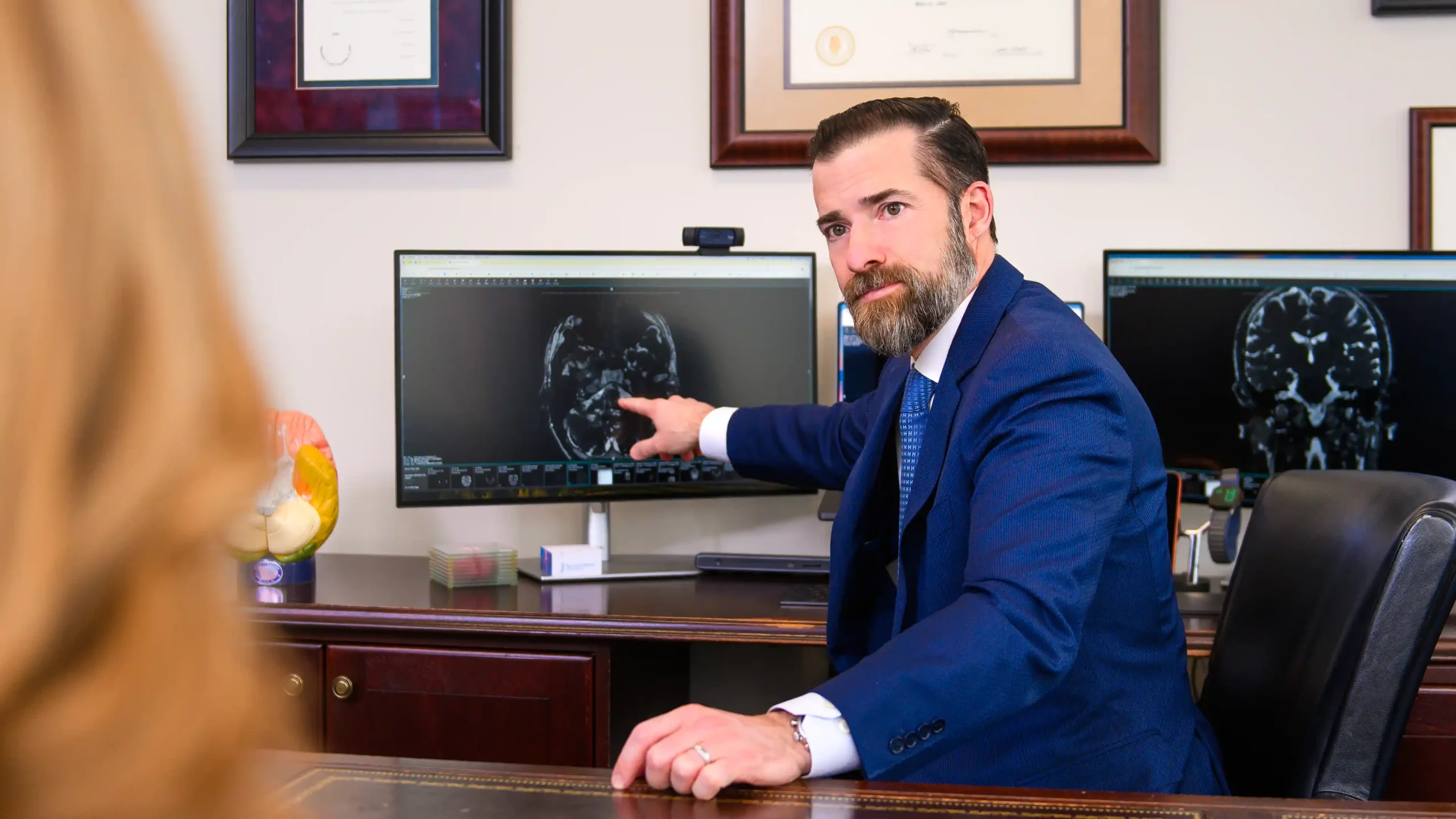
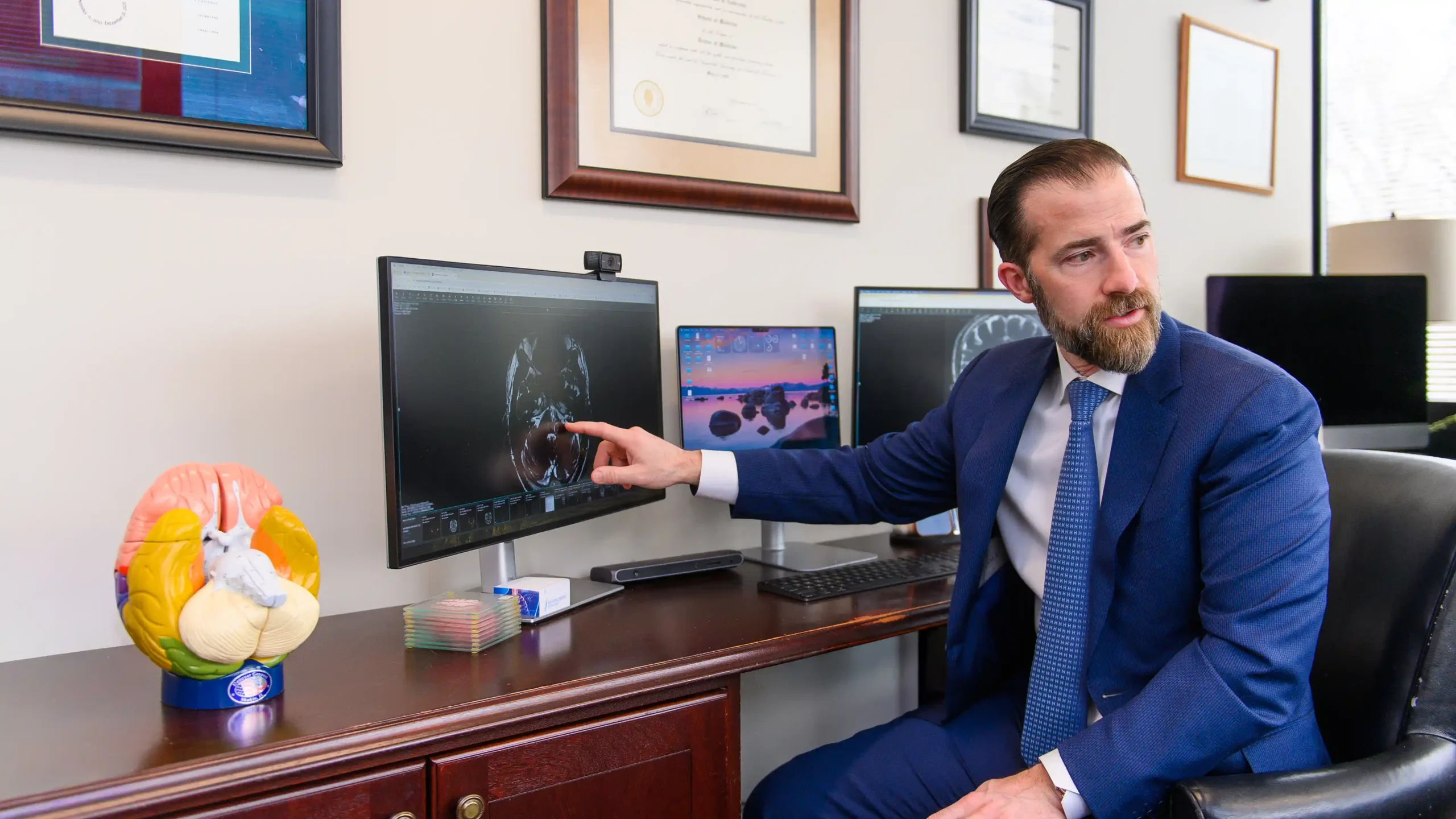
Meet Our Microvascular Decompression (MVD) Expert – Dr. Anthony D’Ambrosio
Dr. Anthony D’Ambrosio is a nationally recognized skull base fellowship–trained neurosurgeon who specializes in Microvascular Decompression (MVD) for conditions such as hemifacial spasm and trigeminal neuralgia.
His practice is built around precision, preparation, and performing each surgery personally from start to finish. By carefully screening patients and meticulously controlling every step of the procedure, Dr. D’Ambrosio delivers a highly focused surgical approach designed to achieve the cleanest and most effective decompression possible, and the best possible long-term outcomes.
Ready to learn more? Call 201-574-1680 to schedule your visit with Dr. D’Ambrosio.
We Take Your Insurance
At Neurosurgeons of New Jersey, we’re one of the few neurosurgical practices in the state that accepts all major insurance plans. Partnered with a vast network of in-network insurance providers, we work with you to get the care you deserve, making high-quality lumbar spine care more accessible. Our insurance specialists can check your coverage and help navigate the approval process with you.





Microvascular Decompression Recovery: Patient Guide

What is the Microvascular Decompression Success Rate?
What is the Average Microvascular Decompression Procedure Length?
Location

Need more info? Check out our most frequently asked questions.
Need more information? Contact us at 201-574-1680 to schedule a consultation with one of our microvascular decompression specialists.
What is the success rate of MVD surgery for hemifacial spasm?
Success rates are generally high, over 90% for the right patients, because MVD treats the actual source of the problem. Results depend on your anatomy and how long you have had symptoms. Your surgeon will talk with you about what to realistically expect based on your case and imaging.
What is the recovery time for microvascular decompression?
Most patients return to light activity within one to two weeks and gradually get back to normal over the following weeks. How quickly you recover depends on your overall health, your job demands, and how quickly your symptoms settle. For most patients, recovery is fast and goes well.
What should I expect after microvascular decompression surgery?
Right after surgery, you will be closely monitored. Most patients see steady improvement in energy and symptoms over the next few weeks. Some people feel relief right away. Others notice gradual improvement as the nerve and incision heal. Contact your care team right away if you develop new neurological symptoms or have any concerns about your wound.