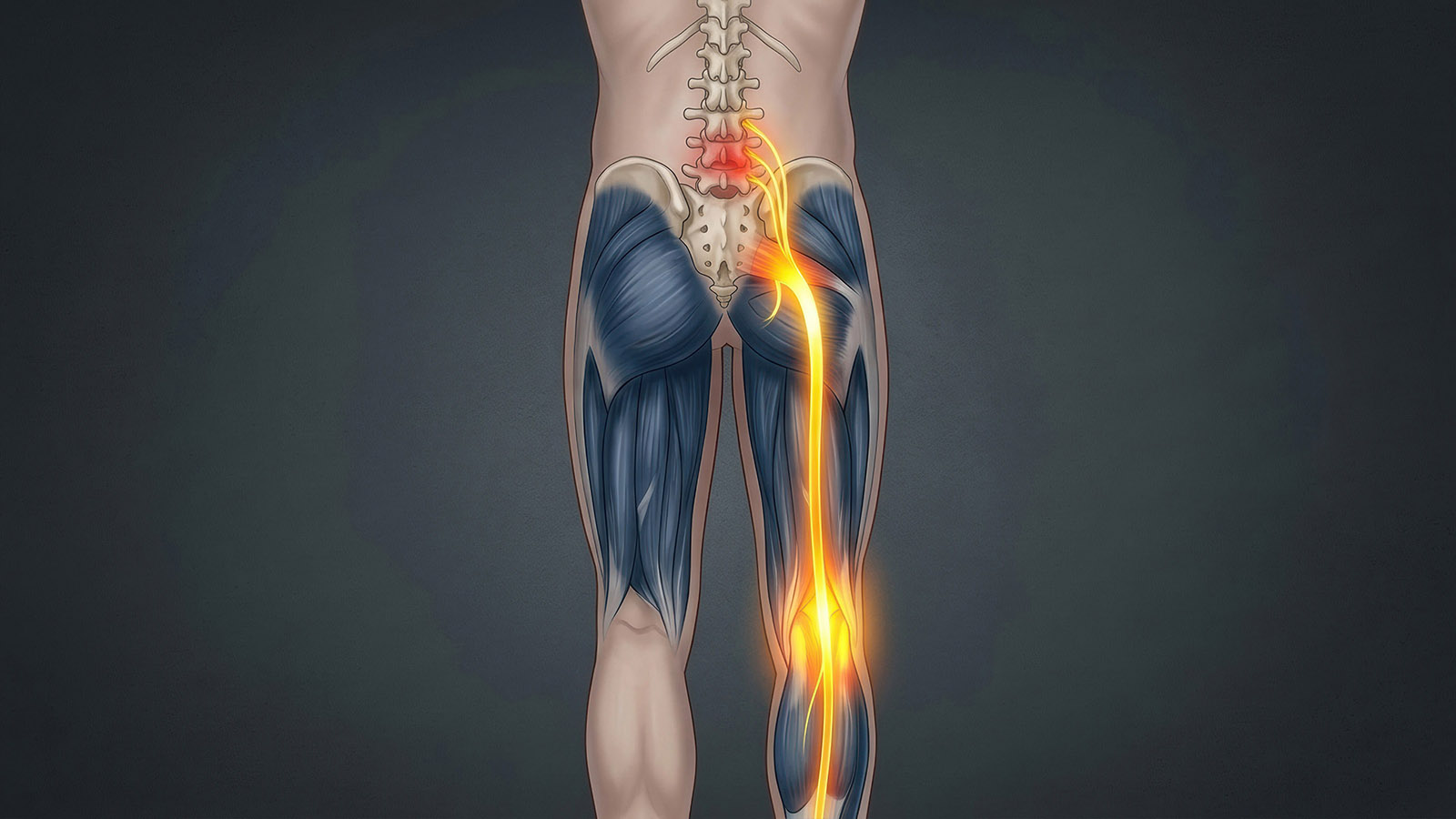
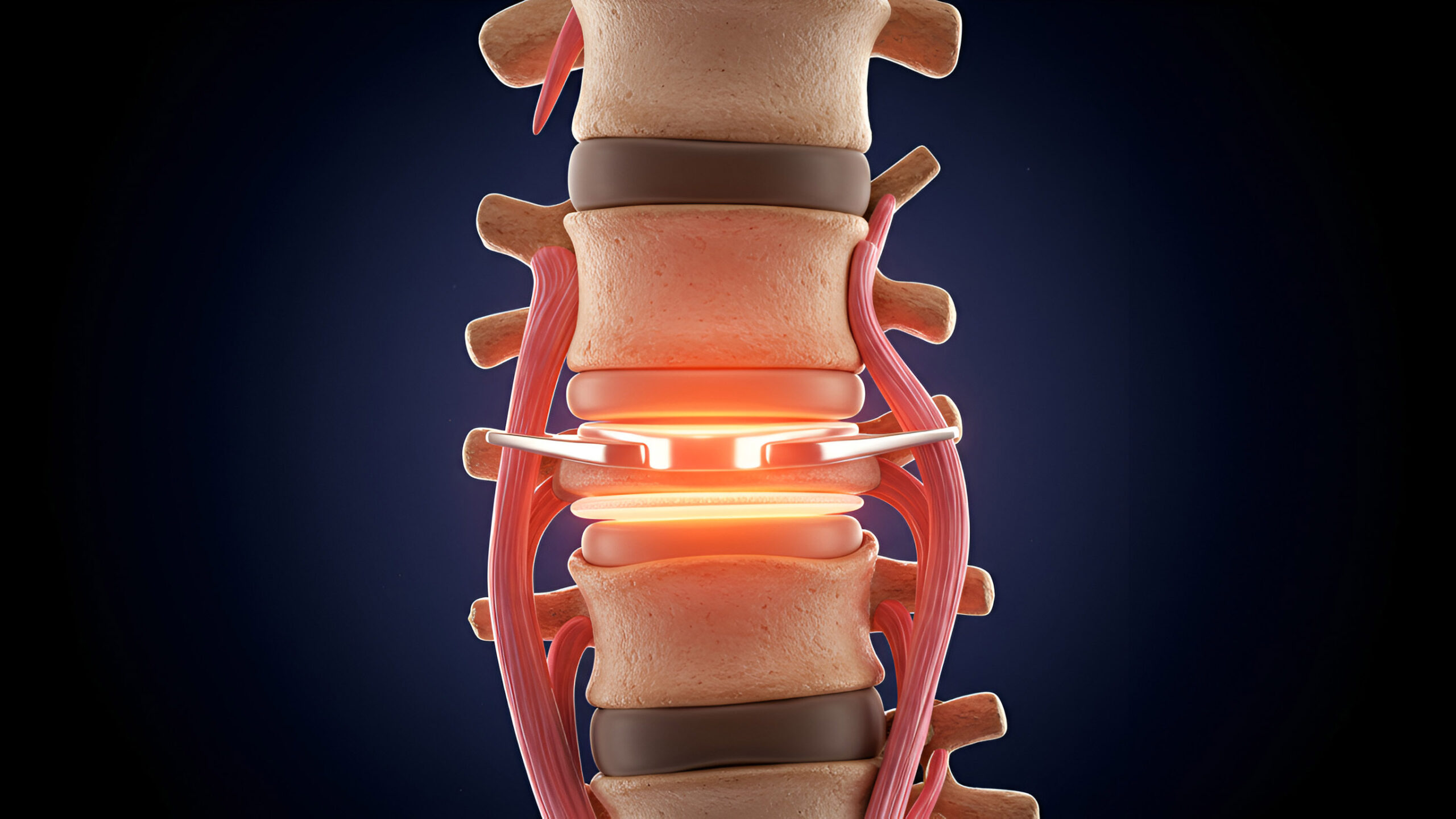
Illuminated 3D model of a lumbar spine showing a herniated disc fragment compressing a spinal nerve, surrounded by vertebrae.

Lumbar Decompression Surgery: How to Prepare and What to Expect

By Back Pain, Minimally Invasive Spine, Minimally Invasive Spine Blogs, Spine Speciality

If your doctor has recommended spinal decompression surgery, you may feel both hopeful and nervous. Most people want the same two things: relief from pain and a return to normal daily life. Learning what to expect before, during, and after lumbar decompression surgery can help reduce stress. When you understand the process, you can prepare more confidently and focus on healing.

Read More
Artificial Disk replacement in the lumbar spine

Artificial Disc Replacement Surgery: A Comprehensive Guide

By Back Pain, Minimally Invasive Spine, Minimally Invasive Spine Blogs, Neck Pain, Spine Speciality

Living with chronic neck pain? It can feel overwhelming. Simple tasks like driving a car, working at a computer, or even sleeping become difficult when neck pain takes over your life. If physical therapy, medications, or other treatments haven’t given you lasting relief, surgery may be your next course of action. Explore what you need to know about disc replacement surgery, including how the procedure works and what recovery looks like, as well as whether you might be a good candidate.

Read More
Doctor highlighting an X-ray of a pinched nerve.

Cervical Radiculopathy Treatment: What You Need to Know

By Back Pain, Minimally Invasive Spine, Minimally Invasive Spine Blogs, Neck Pain, Spine Speciality

If you’ve been experiencing sharp pain that radiates from your neck down your arm, accompanied by weakness or numbness in your fingers, you may be dealing with cervical radiculopathy. Finding the right cervical radiculopathy treatment depends on the severity of your symptoms, how long you’ve been experiencing them, and how your condition responds to conservative care. Let’s explore what this condition is and the treatment options available to help you find relief.

Read More
woman with fatigue and neck pain.

Can Cervical Spinal Stenosis Cause Fatigue?

By Back Pain, Minimally Invasive Spine, Minimally Invasive Spine Blogs, Neck Pain, Spine Speciality

Cervical spinal stenosis is most often associated with neck pain, numbness, weakness, and coordination problems. However, many patients notice something less obvious but just as disruptive: ongoing fatigue. If you have cervical spinal stenosis and feel unusually tired, the two may be connected. Understanding how spinal cord and nerve compression affects the body helps explain why fatigue is a common but overlooked symptom.

Read More
3D illustration, neck painful - cervical spine skeleton x-ray, medical concept.

Signs You Need Neck Surgery: When Is Cervical Spine Surgery Necessary?

By Back Pain, Minimally Invasive Spine, Minimally Invasive Spine Blogs, Neck Pain, Spine Speciality

Persistent neck pain, worsening weakness, numbness, or loss of coordination can be signs that it’s time to consider whether cervical spine surgery is necessary. While many neck conditions improve with physical therapy, medications, and other conservative treatments, surgery may be recommended when symptoms continue to progress or when the spinal cord or nerves are under significant pressure. Understanding the warning signs and knowing when to consult a specialist can help prevent long-term nerve damage and restore quality of life.

Read More