
Lower back pain can put your life on pause. But you don’t have to stay stuck.
The right exercises can relieve pain, support healing, and prevent future flare-ups. In fact, movement is often one of the most effective tools we have. At The Spine Center, we help patients rebuild strength and reduce discomfort with safe, proven techniques tailored to their condition and comfort level.
Why Exercise Helps Lower Back Pain
While rest may feel like the right move, staying inactive for too long can make back pain worse. Muscles weaken, joints stiffen, and pain can become more persistent. Exercise helps by:
- Increasing blood flow to the spine
- Strengthening the core and supporting muscles
- Improving posture and flexibility
- Reducing inflammation and stiffness
Even just 10–15 minutes of gentle movement per day can make a difference. These lumbar pain relief exercises are safe to try at home and easy to adapt to your comfort level.
Here are some of the best exercises and stretches our experts recommend for lower back pain relief.
6 Expert-Recommended Exercises for Lower Back Pain
Note: Always move slowly and gently. If an exercise increases your pain, stop and consult a provider.
1. Pelvic Tilts
Why it helps: Activates deep core muscles and mobilizes the lower spine.
How to do it:
- Lie on your back with knees bent, feet flat on the floor.
- Tighten your stomach muscles and gently press your lower back into the floor.
- Hold for 5 seconds, then relax.
- Repeat 10–15 times.
2. Cat-Cow Stretch
Why it helps: Improves spinal mobility and relieves tension.
How to do it:
- Start on all fours with your hands under your shoulders, knees under your hips.
- Inhale and arch your back (cow), lifting your tailbone and head.
- Exhale and round your spine (cat), tucking your chin and pelvis.
- Move slowly and repeat for 1–2 minutes.
3. Knees-to-Chest Stretch
Why it helps: Gently stretches the lower back and hips.
How to do it:
- Lie on your back and pull one knee toward your chest.
- Hold for 15–30 seconds, then switch legs.
- For a deeper stretch, pull both knees in at the same time.
- Repeat 3–5 times per side.
4. Bridge Pose
Why it helps: Strengthens glutes, core, and stabilizing muscles.
How to do it:
- Lie on your back with knees bent and feet flat.
- Press through your heels to lift your hips off the floor.
- Hold for a few seconds, then slowly lower down.
- Repeat 10–15 times.
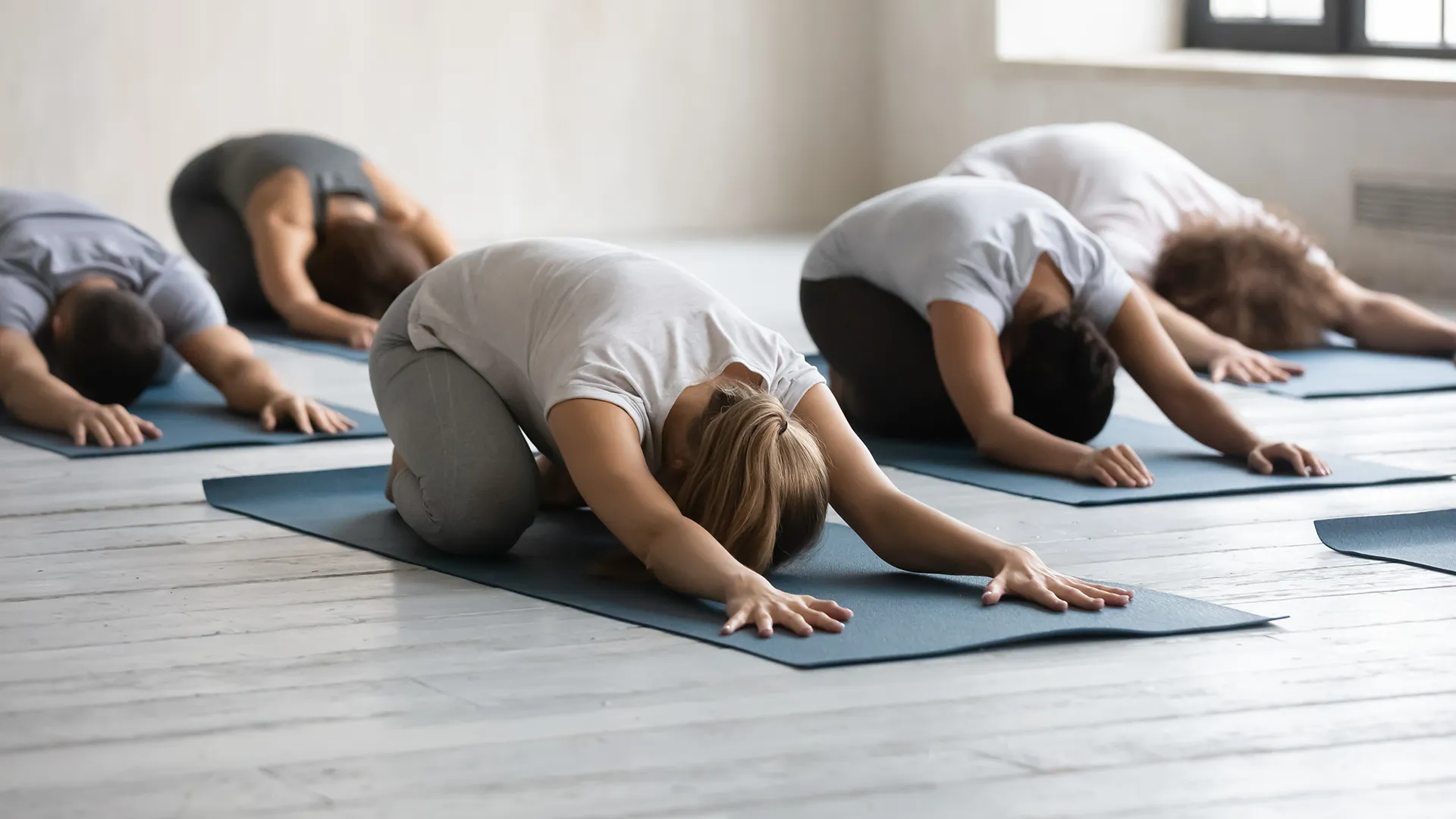
5. Child’s Pose (with Support if Needed)
Why it helps: A relaxing stretch that lengthens the spine.
How to do it:
- Kneel on the floor, then sit back on your heels and reach forward with your arms.
- Let your forehead rest on the ground (or a pillow for support).
- Hold for 30–60 seconds. Breathe deeply.
6. Seated Marches or Wall Sits
Why it helps: Maintains strength and stability when standing is uncomfortable.
How to do it:
- For seated marches: Sit upright and slowly lift one knee, then the other. Repeat for 1 minute.
- For wall sits: Slide down into a sitting position against the wall and hold for 10–30 seconds.
Tips for Safe Stretching and Movement
- Focus on slow, controlled motions. Never force a stretch
- Avoid bouncing or jerking movements
- Breathe deeply and stay relaxed
- Use props like pillows or yoga blocks for comfort
- Stop any exercise that increases pain or causes numbness
When to Seek Professional Help
You should consult a specialist if:
- Pain persists after a few days of home exercise
- You experience numbness, tingling, or weakness in your legs
- Pain shoots down one side of the body (sciatica)
- You’ve recently experienced trauma or a fall
Relief Is Within Reach, And It Starts With Movement
You don’t have to live with chronic lower back pain. With the right guidance, safe and simple exercises can be a powerful part of your healing process. At The Spine Center, we create personalized plans that combine expert care with supportive movement strategies, so you can get back to what matters, pain-free.