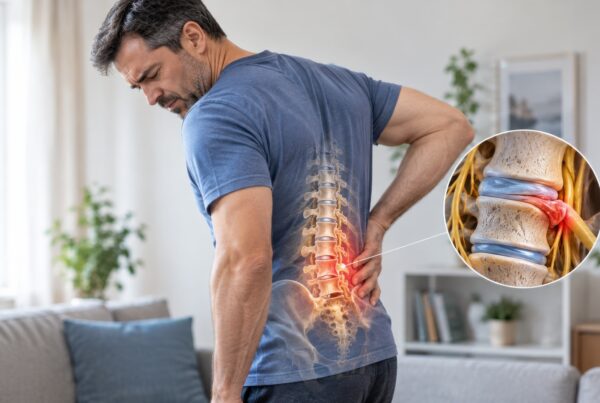
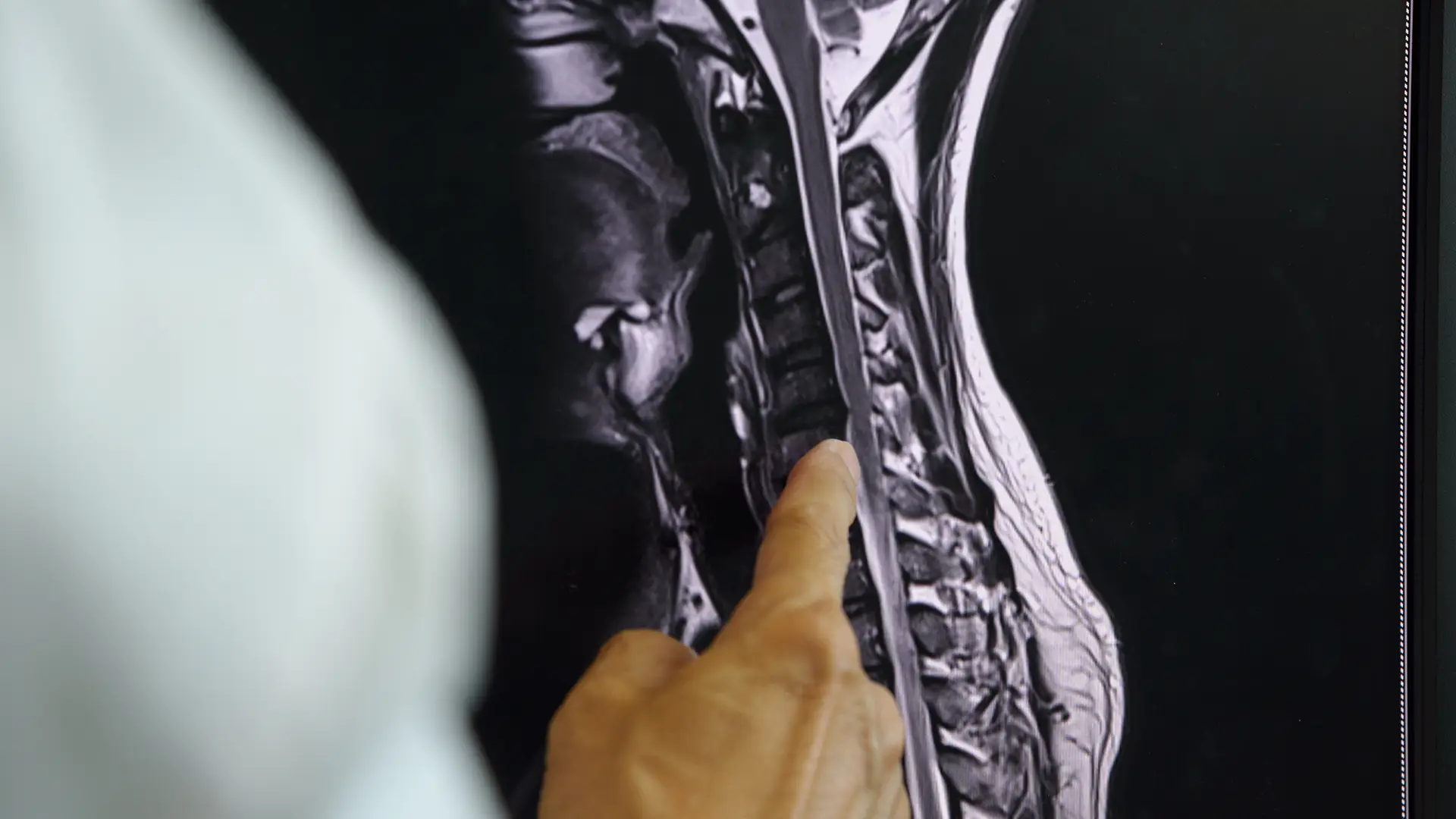

Cervical stenosis surgery relieves pressure on the spinal cord and nerves caused by the narrowing of the spinal canal in the neck. Have you experienced symptoms like neck pain, arm weakness, or numbness? Have other treatments not worked? This surgical procedure may help restore your quality of life.
In this guide, we’ll cover everything you should know about cervical spinal stenosis surgery.
What is Cervical Spinal Stenosis?
Cervical spinal stenosis happens when the spinal canal in your neck narrows and squeezes the spinal cord and nerve roots. Common causes can include:
- Normal aging and wear over time
- Bone spurs from osteoarthritis
- Bulging or damaged discs
- Thickened ligaments
You might feel constant neck pain, pain going down into your arms, or even numbness and tingling in your hands. These problems can make daily tasks harder and affect your hand movements. In serious cases, you may have trouble with balance or feel weakness in your legs.
When other treatments don’t help enough or if your nerve problems get worse, you may need surgery.
Types of Cervical Stenosis Surgery
Your surgeon will suggest the best surgery for you. Options depend on where the pressure is and how bad it is. The most common types of surgery include:
Anterior Cervical Discetomy and Fusion (ACDF)
ACDF is the most common surgical option. The surgeon makes a small cut in the front of your neck and removes the damaged disc and any extra bone growth. They next join the bones in your spine together using a bone graft or small cage. This keeps your spine stable. Many patients can do light activities again after a few weeks.
Posterior Laminectomy and Fusion
This surgery goes through the back of your neck. The surgeon removes a piece of bone called the lamina to take pressure off the spinal cord. Screws and rods hold your spine steady while the bones grow together over time. Surgeons may recommend a posterior laminectomy and fusion for narrowing in several spots or when the pressure comes from behind the spinal cord.
Foraminotomy
This less invasive surgery enlarges the neural foramen (opening where nerve roots exit the spine). A foraminotomy targets specific areas to help heal faster with less damage to nearby tissue. It works well when the narrowing affects certain nerves instead of your whole spinal cord.
Cervical Disc Replacement
The surgeon takes out the damaged disc and puts in an artificial one. This keeps your neck moving naturally and can reduce stress on the other parts of your spine. Doctors often suggest this option for younger, active people who have a problem with just one disc.
Your Cervical Spinal Stenosis Surgery Procedure
During cervical stenosis surgery, you’ll often receive general anesthesia while the surgeon accesses the cervical spine through either the front or back of your neck. Many procedures now use minimally invasive techniques like smaller incisions, specialized instruments, and sometimes tiny cameras. These methods may reduce muscle damage and minimize blood loss to support faster healing.
These surgeries target the exact spots causing the problems. Your surgeon may remove bone spurs, herniated disc material, thickened ligaments, or portions of bone. Special imaging tools help the surgeon work carefully and protect your spinal cord and nerves. How long your surgery takes really depends on how complex it is and how many areas need treatment.
Recovery from Cervical Spinal Stenosis Surgery
Recovery from cervical stenosis surgery usually follows a pattern, but everyone heals differently. Your recovery depends on which surgery you had and your overall health.
Immediate Post-Surgery (Days 1-2): Most patients stay in the hospital for 1-2 days for monitoring. You’ll begin walking the same day as surgery to prevent blood clots. Pain management includes prescribed medications, and you may wear a cervical collar for support.
First 2-6 Weeks: Light activities and walking are encouraged, but avoid heavy lifting (over 5-10 pounds), repetitive bending, twisting, or overhead reaching. Many patients return to desk work within 2-4 weeks. Incision care and proper neck positioning are essential during this healing phase.
Weeks 6-12: Physical therapy typically begins, focusing on gentle range-of-motion exercises, strengthening neck and shoulder muscles, and improving posture. Fusion patients need 3-6 months for bone to fully fuse, confirmed through follow-up X-rays or CT scans.
Long-Term Recovery (3-6 Months): Gradual return to normal activities, including exercise and physical work.
Most patients experience significant pain relief within the first few months, though numbness or weakness may take longer to resolve. Regular follow-up appointments at 2 weeks, 6 weeks, 3 months, and 6 months ensure proper healing and address any concerns.
Side Effects of Cervical Stenosis Surgery
While cervical stenosis surgery has high success rates, you should understand potential risks or complications.
Common Post-Operative Effects (Usually Temporary)
- Incision pain and neck soreness, typically managed with prescribed pain medications
- Sore throat or difficulty swallowing for several days following anterior approaches
- Fatigue and general discomfort as the body heals
Less Common, But Serious Risks
- Infection: Surgical site infections occur in less than 3% of cases and may require antibiotics.
- Nerve injury: Rarely, there may be damage to the spinal nerves or cord during surgery.
- Blood clots: There may be a risk of blood clots in the legs, which can be prevented with medications and early movement.
- Hoarseness or voice changes: Your voice may temporarily change due to nerve proximity during surgery.
Your surgical team takes extensive precautions to keep risks low, including advanced imaging and neurological monitoring during surgery. Promptly report any concerning symptoms like fever, increased pain, drainage, or new symptoms. This can help catch and address complications early.
It's time to get back
to doing what you love.
Treatment Options for Cervical Spinal Stenosis
Most patients with cervical spinal stenosis begin with conservative, non-surgical treatments. You may consider surgery if these approaches fail to offer adequate relief or when significant neurological symptoms develop.
Physical Therapy
Targeted exercises can strengthen supporting muscles and improve your posture and flexibility. Physical therapists might use manual therapy, traction, and teach proper body mechanics to reduce spinal stress.
Medications
Drugs like NSAIDs (ibuprofen, naproxen) can reduce inflammation and pain. Muscle relaxants can ease neck spasms, while neuropathic pain medications (gabapentin, pregabalin) address nerve-related pain. In some cases, short-term oral steroids can reduce acute inflammation.
Epidural Steroid Injections
Injections can help reduce inflammation around compressed nerves, providing relief that may last weeks to months. Such injections can temporarily help patients avoid or delay surgery.
Lifestyle Modifications
Changes in posture or movements that worsen your symptoms, adjusting your workstation’s ergonomics, and using proper sleep positions can help with neck strain.
Nonsurgical and alternative treatment options are often effective for mild to moderate cases of cervical spinal stenosis. If those treatments aren’t sufficient, surgery might be considered the next step.
Why Choose Neurosurgeons of New Jersey?
Neurosurgeons of New Jersey has earned recognition as the #1 Surgical Practice in New Jersey for Neurosurgery, combining award-winning expertise with compassionate, patient-centered care. Our practice offers:
- 11 Convenient Locations throughout New Jersey for convenient access to care
- Board-Certified Specialists with extensive training and experience in complex cervical spine surgery
- Advanced Surgical Techniques, including minimally invasive options and the latest technology
We accept and work with a diverse range of insurance plans, including Aetna, Horizon Blue Cross Blue Shield, Oxford/United Healthcare, Cigna, Personal Injury Protection (PIP)/No-Fault for NJ Motor Vehicle Accidents, the Empire Plan (NYSHIP), Medicare, NJ Medicaid, and Workers’ Compensation.
Don’t see your insurance listed? Contact us. You may still be eligible for coverage. We’re committed to helping patients access the specialized neurosurgical care they need.
Conclusion
Cervical stenosis surgery can offer hope for patients with severe spinal compression who have not achieved adequate relief through more conservative treatments. Surgery’s primary goal is to relieve pressure on the spinal cord and nerves to reduce pain and improve function.
Recovery and side effects can vary, but new minimally invasive techniques have improved outcomes for patients. If you have symptoms of cervical spinal stenosis, consult a board-certified spine specialist. They can evaluate your condition with physical examination and imaging studies, discuss available treatment options, and help determine the best path forward. Early intervention often leads to better long-term results.
Contact us today to schedule a consultation and take the first steps toward relief and recovery.
Special thanks to Dr. Anthony Conte for helping make this blog possible.
Dr. Anthony Conte, MD
Dr. David Estin, MD, FACS
Dr. Christopher Gillis, MD, FRCSC, FAANS
Dr. Jonathan H. Lustgarten, MD
Dr. Ty J. Olson, MD, FACS

About Eatontown
Our team of board certified physicians, located in Eatontown, New Jersey, are dedicated to bringing you the latest developments and treatment options for spinal surgery. We strive to produce the most clarified & clear content to help you make informed decisions on your medical journey. The road to feeling like your true self should not feel lonely- Let us help you. Please call us to schedule a consultation and speak to one of our team members.