
Your Guide to Safe Movement and Symptom Relief
Life with cervical stenosis can feel frustrating. You want to stay active and relieve stiffness and discomfort, but there’s always a concern that you might make symptoms worse. There’s good news, though. When performed safely and under medical guidance, the right cervical stenosis exercises improve comfort, flexibility, and posture.
The following guide offers practical options for movement when living with cervical stenosis.
Remember: These tips should not and do not replace personalized medical guidance. Always consult your physician or a spine specialist before you start a new exercise routine.
Understanding Cervical Stenosis and How Exercise Can Help
Quick Review: What Is Cervical Stenosis?
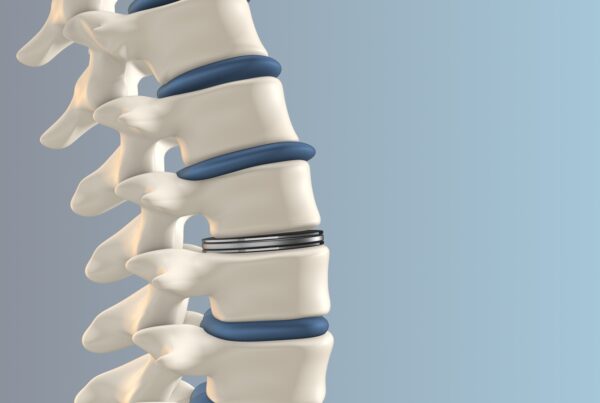
Cervical stenosis occurs when the spinal canal in your neck narrows, reducing space around the spinal cord and nerves. This narrowing often develops from age-related wear and tear, herniated discs, or bone spurs. Cervical stenosis can eventually lead to more profound nerve damage through myelopathy.
How Exercise Benefits Cervical Stenosis
In addition to the other health benefits of exercise, gentle movement and exercise can help improve your neck flexibility and strengthen supporting muscles. It also improves posture and reduces stiffness. Regular exercise can promote better spinal alignment and may even help slow the progression of mild stenosis when used as part of a conservative care plan.
When Exercise Is Appropriate (and When It’s Not)
Exercise is usually safe for those with mild to moderate or stable cervical stenosis and who currently show no signs of myelopathy. You should also receive a doctor’s approval before beginning any exercise program.
You shouldn’t exercise, however, if you have cervical myelopathy or show progressive weakness or instability that could lead to injury. A recent surgery recommendation also takes exercise off the table for relief, at least for now.
Important Safety Guidelines Before You Begin
Get Medical Clearance First
Always ask your doctor before you begin a new exercise routine. Medical evaluations can help confirm exercise is safe for your condition and rule out cervical myelopathy or severe compression. It also allows for personalized recommendations based on your anatomy and imaging results.
Start Slowly and Progress Gradually
Everyone’s recovery pace is different. Begin with gentle, low-intensity movements that focus on good posture and controlled motion. Good form is important. Gradually increase repetitions and range of motion as your comfort allows. Don’t force movement or rush progress.
Listen to Your Body
Mild muscle discomfort is normal at first. Sharp and radiating pain isn’t. Stop immediately if you feel sudden pain, numbness, tingling, or worsening arm symptoms. If these sensations persist, contact your doctor for guidance.
When to Stop Exercising Immediately
Discontinue exercise and seek prompt medical advice if you experience the above symptoms. Other reasons to stop include loss of balance or increased hand clumsiness. Dizziness or vision changes should also cause you to stop exercising immediately.
Working with a Physical Therapist
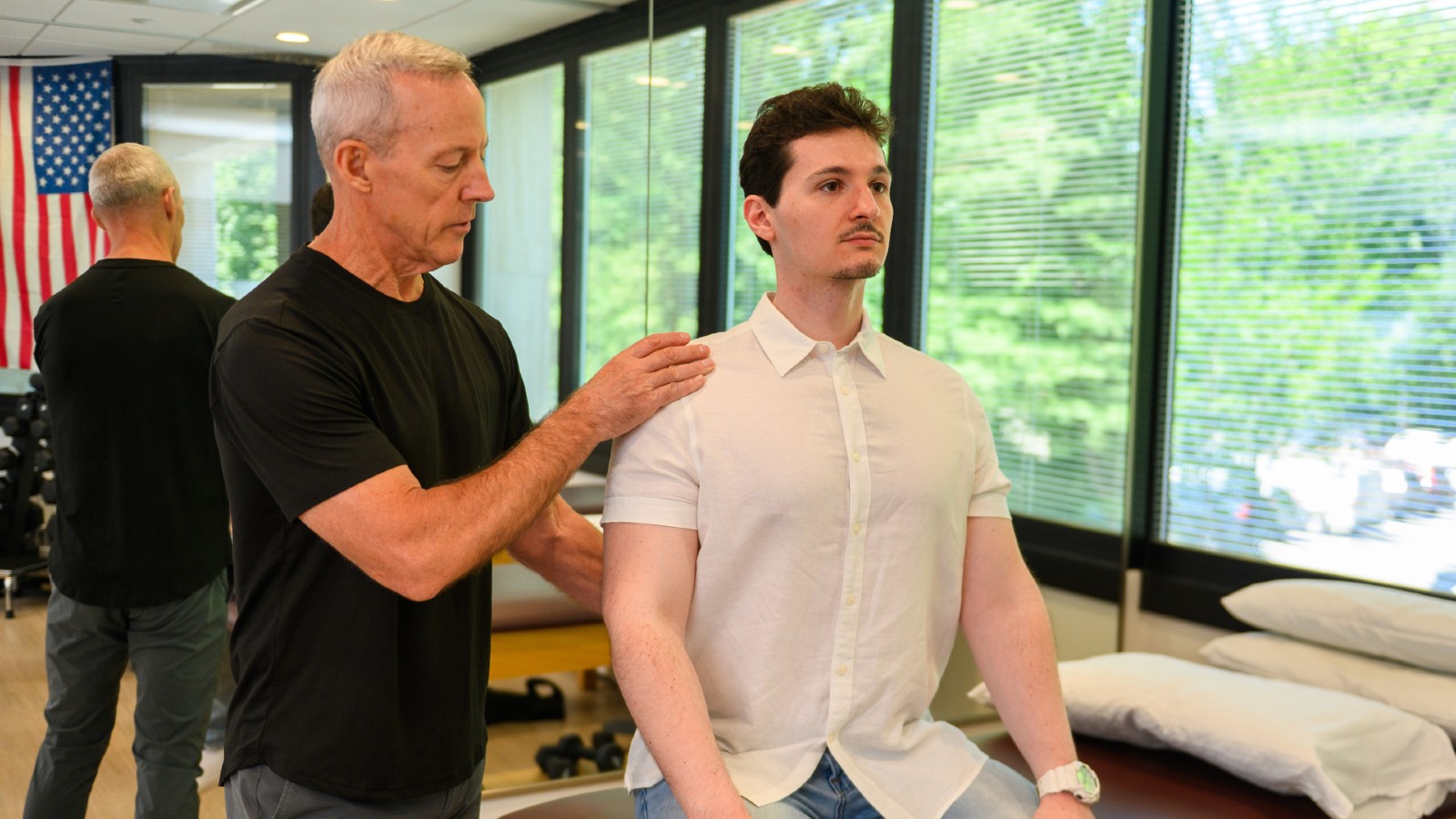
One way to help plan effective exercise is to work with a licensed physical therapist who can design a safe, tailored program for your needs. They’ll teach you proper form, monitor your progress, and adjust exercises as your spine adapts. This helps you move confidently and safely toward recovery.
Best Neck Exercises for Cervical Stenosis
The following neck exercises for cervical stenosis can be safe and beneficial when performed slowly and correctly with medical guidance.
Gentle Range of Motion Exercises
Simple, controlled movements help preserve neck mobility without straining the spinal canal. You may perform these exercises two to three times per day unless otherwise advised by your healthcare provider:
Neck Tilts (Lateral Flexion)
This exercise helps maintain side-to-side flexibility.
- Sit or stand tall with shoulders relaxed.
- Slowly tilt your head toward your shoulder. Do not lift the shoulder or force the motion.
- Hold for 5–10 seconds, then return to center.
- Repeat 5–10 times per side, up to 2–3 sessions daily.
Chin Tucks
Chin tucks can strengthen neck flexors and improve posture. That’s particularly helpful for cervical stenosis.
- Sit or stand with your back straight.
- Gently draw your chin straight back, as if making a double chin (avoid looking down).
- Hold for 5 seconds, then relax.
- Repeat 10 times, 2–3 times daily.
Gentle Neck Rotations
Gentle neck rotations let you maintain safe rotational mobility.
- Turn your head slowly to look over one shoulder.
- Hold for 5 seconds, then return to center.
- Repeat 5–10 times per side, 2–3 times daily.
- Avoid quick or jerky movements.
Strengthening Exercises
Building supportive muscles around the neck and shoulders helps stabilize the spine and improve posture.
Isometric Neck Exercises
Build strength without movement, which is ideal for stenosis.
- Place your palm on the side or front of your head.
- Gently press your head into your hand without actually moving your neck.
- Hold for 5–10 seconds, repeat 5–10 times.
- Perform 1–2 times daily.
- Skip backward (extension) resistance to avoid canal strain.
Shoulder Blade Squeezes (Scapular Retraction)
Shoulder blade squeezes can improve your posture and upper back support.
- Sit or stand tall.
- Squeeze your shoulder blades together as if pinching a pencil.
- Hold for 5–10 seconds, relax, and repeat 10–15 times, 2–3 times daily.
Posture Exercises
Good posture reduces stress on the cervical spine by aligning the head, neck, and shoulders.
Wall Angels
- Stand with your back and head against a wall.
- Raise arms to shoulder height, elbows bent at 90 degrees.
- Slowly slide arms upward, keeping elbows and wrists against the wall.
- Repeat 10 times, 1–2 times daily.
Chest Stretches
- Stand in a doorway, placing your forearms on each side of the frame.
- Step forward until you feel a gentle stretch across your chest.
- Hold for 20–30 seconds, repeat 2–3 times daily.
It's time to get back
to doing what you love.
Stretches for Cervical Spinal Stenosis Relief
Gentle stretching can reduce muscle tension and improve your flexibility. Hold each of the following stretches for 20–30 seconds, and never bounce or force the motion.
Upper Trapezius Stretch
This stretch can help release tension in commonly tight neck muscles to the shoulder. To start, tilt your head toward your shoulder and gently pull further with your hands. Hold this position for 20–30 seconds, and repeat on the other side. Do this 2–3 times daily. It should feel relieving, not painful.
Levator Scapulae Stretch
A levator scapulae stretch addresses a common source of neck and shoulder discomfort. Turn your head 45 degrees and tilt your chin down toward your armpit. If needed, gently assist with your hand. You should feel the stretch in the back of your neck. Hold this position for 20–30 seconds, then repeat on the other side. Perform this stretch 2–3 times daily.
Scalene Stretches
Scalene stretches release the front neck muscles that become tight. Sit with good posture, place your hand on your collarbone, and tilt your head away. Next, slightly rotate your face upward to feel a stretch in the front of your neck. Like the other stretches, hold for 20–30 seconds and repeat the other side, 2–3 times daily. Be very gentle.
Exercises to Avoid with Cervical Stenosis
Certain movements can help manage cervical stenosis symptoms, but just as many activities can worsen them by narrowing the spinal canal even more or increasing nerve pressure. Avoiding risky activities is just as important as doing the right ones. Your spine specialist or physical therapist will guide you on which exercises you should steer clear of.
Neck Extension Exercises
Avoid looking up for long periods or doing backward neck bends and other overhead activities. Neck extension significantly narrows the spinal canal and increases compression. This is the most important movement to avoid with cervical stenosis.
High-Impact Activities
Skip exercises that cause jarring or shocks to the spine. Running on hard surfaces, jumping, contact sports, and high-impact aerobics can aggravate nerve compression. Seek safer alternatives, including walking, swimming, or cycling with proper posture and neck alignment.
Heavy Overhead Lifting
Lifting objects onto high shelves or doing overhead presses is also not advised. These actions combine neck extension and spinal loading, which can strain the cervical spine. If you’re going to lift weights at all, go slow and controlled, and keep the weights at chest level or below.
Extreme Neck Rotations
Avoid quick head turns or forceful twists, including neck “cracking.” Even looking far over your shoulder for extended periods (like backing your car out of a spot) can pinch nerves. Gentle, slow rotations are a safe alternative.
Contact Sports and Activities with Fall Risk
It should go without saying, but contact sports or activities with a high risk of impact or whiplash-style injuries (football, rugby, MMA, or gymnastics) carry high risks. Protecting your spine is critical, so avoid these activities.
Creating Your Cervical Stenosis Exercise Routine
A consistent, structured routine with good form matters more than pushing too hard and burning out. Dividing your exercises throughout the day helps maintain flexibility and reduce stiffness without overloading your neck. For example, you might perform gentle neck stretches and range of motion exercises in the morning while taking a brief walk and doing light shoulder rolls or chest stretches during the day. In the evening, you might repeat your favorite exercises or stretches and apply ice or heat afterward.
Consistency often matters more than timing, but don’t force the issue: skip exercise during pain flares or if your symptoms worsen.
Combining Exercise with Other Treatments
Exercise works best as part of a comprehensive treatment plan. Your doctor may also recommend physical therapy, medications, ergonomic changes, or heat/ice therapy. Combining these approaches often provides the greatest relief.
Tracking Your Progress
Exercise works best as part of a comprehensive treatment plan. Your doctor may also recommend physical therapy, medications, ergonomic changes, or heat/ice therapy. Combining these approaches often provides the greatest relief.
When to Adjust Your Routine
Exercise works best as part of a comprehensive treatment plan. Your doctor may also recommend physical therapy, medications, ergonomic changes, or heat/ice therapy. Combining these approaches often provides the greatest relief.
The Role of Physical Therapy in Managing Cervical Stenosis
Working with a physical therapist is one of the safest and most effective ways to manage cervical stenosis. A licensed therapist designs a personalized exercise program based on your comfort level, anatomy, and movement patterns. They’ll show you the proper form and gradual progression to help prevent injury.
Combining regular supervised sessions and a consistent home program can provide the best results for managing your symptoms. Therapists’ guidance ensures safety and progression, and at-home exercise reinforces your daily movement and stability. Ideally, this helps reduce pain and improve mobility while supporting long-term spine health.
Complementary Activities for Cervical Stenosis
In addition to a defined exercise program, daily activities like walking, swimming, and modified yoga programs can help promote overall spine health. Along with proper sleep and maintaining a healthy weight, regular movement stands a good chance of supporting conservative care.
Walking is an excellent low-impact option that promotes circulation. Maintain good posture with your chin tucked and shoulders back. Start with short distances and gradually increase over time.
Swimming is an ideal option for stenosis symptoms because buoyancy reduces your spinal load, and a full range of motion is possible. Avoid breaststroke or diving; the former requires extension, and the latter is a high-impact activity.
Gentle yoga can benefit when modified because it improves flexibility and builds strength. Critical modifications are required, however. Avoid extreme extension poses or inversions, which can cause undue stress on your neck. Inform your instructor about stenosis symptoms. They can provide modifications during class.
Finally, don’t neglect regular, non-exercise activities that can influence spine health. Reducing your spinal load through maintaining a healthy weight and sleeping on your side or back can help, as can creating an ergonomic workspace that encourages good posture. Even stress management plays a role in recovery.
When Exercise Isn’t Enough: Recognizing Warning Signs
Even with the right exercises, cervical stenosis can still progress. If you notice worsening hand clumsiness, balance problems, increasing weakness or numbness, and experience incontinence, it can signal spinal cord injury that requires immediate care.
If symptoms worsen despite consistent conservative care, it’s time to re-evaluate your treatment plan. Progressive weakness or functional decline often means exercise alone is no longer enough, but there’s still hope. Early surgical evaluation can prevent irreversible nerve damage and offer the best chance for recovery.
Working with Spine Specialists for Comprehensive Care
Neurosurgeons of New Jersey’s spine specialists emphasize a comprehensive, patient-centered approach to care. Each plan begins with a full assessment that includes imaging, symptom review, and lifestyle factors to determine whether conservative treatment remains appropriate or if surgical options should be considered. When surgery becomes necessary, our board-certified neurosurgeons offer minimally invasive and fusion procedures that can relieve pressure while preserving mobility.
Our team’s philosophy is simple: patients come first. We guide you through every stage of care, from pre-operative assessment and post-operative physical therapy and recovery. Our approach is backed up by insurance specialists and multiple convenient locations offering seamless coordination between conservative and surgical services.
Stay Active, Stay Safe: Building Your Path to Better Neck Health
Exercise can effectively manage cervical stenosis when performed correctly and with medical clearance. But if symptoms worsen, seek prompt specialist evaluation to protect your long-term spinal health.
Whether you’re looking to start a safe exercise program for cervical stenosis or need to discuss additional treatment options, the spine specialists at Neurosurgeons of New Jersey are here to help. Schedule a consultation today to develop a personalized care plan that addresses your specific needs and goals.
FAQs About Cervical Stenosis Exercises
Are exercises safe for everyone with cervical stenosis?
Not always. Exercises are safe only for mild to moderate stenosis without spinal cord compression (myelopathy) and with doctor approval. Always get medical clearance before starting.
How often should I do cervical stenosis exercises?
Most people benefit from daily practice, focusing on a gentle range of motion, posture, and strengthening exercises. Consistency matters more than intensity.
Can exercise cure cervical stenosis?
No. Exercise doesn’t reverse narrowing, but it can reduce pain, stiffness, and postural strain, helping maintain mobility and quality of life.
What exercises should I avoid with cervical stenosis?
Avoid neck extension, quick rotations, heavy overhead lifting, high-impact activities, and contact sports unless cleared by your spine specialist.
When should I stop exercising and see a doctor?
Stop immediately for sharp pain, worsening weakness, balance loss, or increased arm/hand symptoms. These may signal spinal cord involvement.
Can I do yoga with cervical stenosis?
Yes, but only gentle, modified yoga, avoiding neck extension, inversions, or deep twists. A physical therapist or experienced instructor can guide safe variations.
Is walking good for cervical stenosis?
Yes. Walking promotes circulation, posture, and endurance without stressing the neck, making it an ideal low-impact activity.
What is the difference between cervical stenosis and myelopathy?
Cervical stenosis is the narrowing of the spinal canal; myelopathy occurs when that narrowing compresses the spinal cord, causing weakness, balance issues, or coordination loss.