
What is Lumbar Spine Surgery?
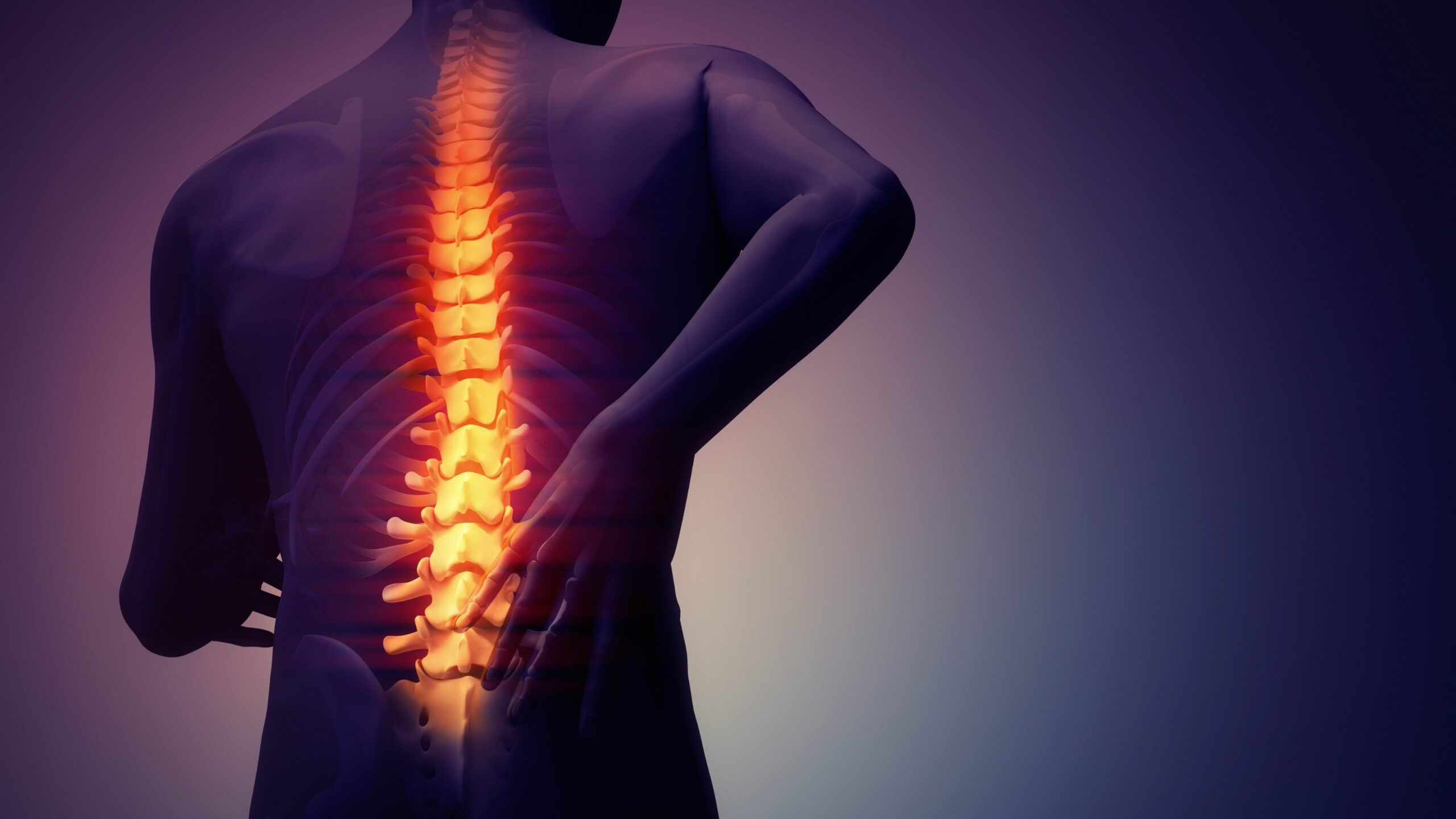
Lumbar spine surgery fixes issues in the lower back through various surgical procedures. The lumbar region of the spine is a complex structure comprising spinal bones, discs, and nerves.
Lumbar spine surgery may be considered only after extensive non-surgical treatments, such as physical therapy, medications, and injections, have failed to provide lasting relief.
Surgery in this area is often considered when there is significant pressure on the nerves in the spine, leading to pain and numbness in the legs, along with other symptoms.
What Conditions Does It Treat?
This surgery is commonly recommended for:
- Herniated or bulging discs
- Spinal stenosis (narrowing of the spinal canal)
- Degenerative disc disease
- Spondylolisthesis (vertebral slipping)
- Spinal instability
- Spinal deformity
- Trauma or fractures
- Tumors affecting the lumbar spine
These issues can significantly impact quality of life, making surgical intervention a necessary option.
Types of Lumbar Spine Surgeries
Various types of lumbar spine surgeries exist, each tailored to specific conditions:
- Spinal decompression: relieves pressure on nerves
- Spinal fusion: joins vertebrae for stability
- Lumbar laminectomy/laminotomy: removes part of the bone to enlarge the spinal canal
- Discectomy: removes herniated disc material
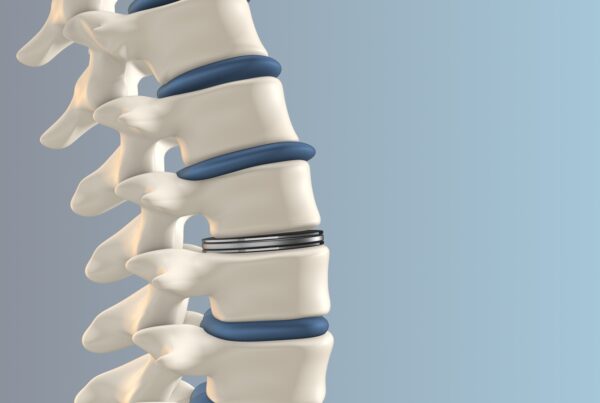
- Motion-preserving stabilizing devices: alternatives to traditional fusion
Modern minimally invasive techniques often mean smaller incisions, reduced tissue disruption, less pain, and faster recovery compared with traditional open surgery.
The Lumbar Spine Surgery Procedure
Lumbar spine surgery is typically conducted under general anesthesia. The specific procedure varies based on the type of surgery indicated. For instance:
- In spinal decompression, parts of the bone or disc may be removed to relieve nerve pressure.
- In spinal fusion, the surgeon may use implants and bone grafting to fuse parts of the spinal column.
Some procedures may be performed as outpatient or short-stay surgeries depending on the technique, patient health, and procedure complexity.
Benefits of Lumbar Spine Surgery
The primary benefits include:
- Pain relief
- Improved physical function and mobility
- Enhanced quality of life
- Prevention of further degeneration in certain conditions
For many patients, surgery is a turning point that allows return to daily activities without the pain that once ruled their lives.
Risks and Side Effects
Like all surgical procedures, lumbar spine surgery involves potential risks. A frank discussion with your surgeon is essential to understand individualized risks. Common risks include:
- Infection
- Bleeding and blood clots
- Nerve damage
- Persistent or recurrent pain
Less common but serious complications may include anesthesia-related issues, problems with implants, adjacent segment disease after fusion, and, in rare cases, paralysis.
Let's build your treatment
path, together.
Preparing for Lumbar Spine Surgery
Preparation is crucial to success. Patients are typically advised to:
- Engage in pre-habilitation or physical conditioning
- Quit smoking (which delays healing)
- Optimize nutrition
- Review medications with their provider
- Arrange support for postoperative care at home
Preoperative planning may also include imaging and shared decision-making about surgical goals and expectations.
Post-Surgical Rehabilitation
After surgery, rehabilitation plays a vital role. Physical therapy is often started within weeks of surgery to restore strength, flexibility, and safe movement patterns.
Rehabilitation programs are tailored to patient needs, focusing on gradual and safe progression back to normal activities.
Recovery and Aftercare
Post-surgery, patients often undergo a period of recovery that may include:
- Pain management
- Activity pacing
- Regular follow-up appointments
- Gradual return to work and hobbies
Recovery duration varies by procedure and individual factors. While many patients see significant improvement within a few months, complete bone fusion after some surgeries may continue improving up to a year.
Patients are also instructed to avoid high-impact activities, heavy lifting, and extreme spinal movements initially.
What to Know Before Deciding on Lumbar Spine Surgery
Lumbar spine surgery is not a one-size-fits-all solution. The right approach depends on your diagnosis, symptoms, overall health, and how much your condition affects your daily life. For many patients, surgery becomes the best option only after conservative treatments fail to provide lasting relief.
At Neurosurgeons of New Jersey, every treatment plan is built around precise diagnosis, advanced imaging, and surgeon-led decision-making. Our goal is not just to reduce pain, but to restore mobility, function, and quality of life with the least invasive approach possible.
If you are experiencing ongoing lower back pain, leg pain, numbness, weakness, or difficulty walking, a consultation with a spine specialist can help determine whether lumbar spine surgery or another treatment path is right for you.
FAQs
What symptoms indicate I may need lumbar spine surgery?
Symptoms that may lead to surgical evaluation include persistent lower back pain, leg pain or sciatica, numbness or tingling, muscle weakness, difficulty standing or walking, or loss of bowel or bladder control. When these symptoms do not improve with non-surgical treatment, surgery may be considered.
Is lumbar spine surgery always the first treatment option?
No. Surgery is typically recommended only after conservative treatments such as physical therapy, medications, activity modification, and injections have failed to provide sufficient relief. The goal is always to avoid surgery when possible.
How long does it take to recover from lumbar spine surgery?
Recovery time depends on the procedure performed and the patient’s overall health. Some minimally invasive procedures allow patients to resume light activity within weeks, while more complex surgeries like spinal fusion may require several months of recovery.
Will I need physical therapy after surgery?
Yes. Most patients participate in physical therapy to rebuild strength, improve flexibility, and restore safe movement. Physical therapy plays a critical role in achieving the best long-term outcome.
Can lumbar spine surgery completely eliminate pain?
Many patients experience significant pain relief and improved function, but outcomes vary. The goal of surgery is to relieve nerve pressure, stabilize the spine, and reduce pain, not to guarantee a pain-free spine for life.
Is minimally invasive lumbar spine surgery an option for everyone?
Not always. While many patients qualify for minimally invasive techniques, the best approach depends on the specific condition, spinal anatomy, and surgical goals. A neurosurgeon can determine the safest and most effective method.
When should I see a neurosurgeon for lower back pain?
You should seek specialist care if back pain lasts longer than a few weeks, is worsening, interferes with walking or daily activities, or is accompanied by leg pain, numbness, or weakness.

About Dr. Michael G. Kaiser
Dr. Michael G. Kaiser is a nationally recognized neurosurgeon in North Jersey and is a proud member of Neurosurgeons of New Jersey, practicing out of their Ridgewood office conveniently located on East Ridgewood Avenue. Dr. Kaiser specializes in complex and minimally invasive spine surgeries.