Contact Us Today

Schedule a consultation with us and hear back within 24 hours

Schedule a Consultation
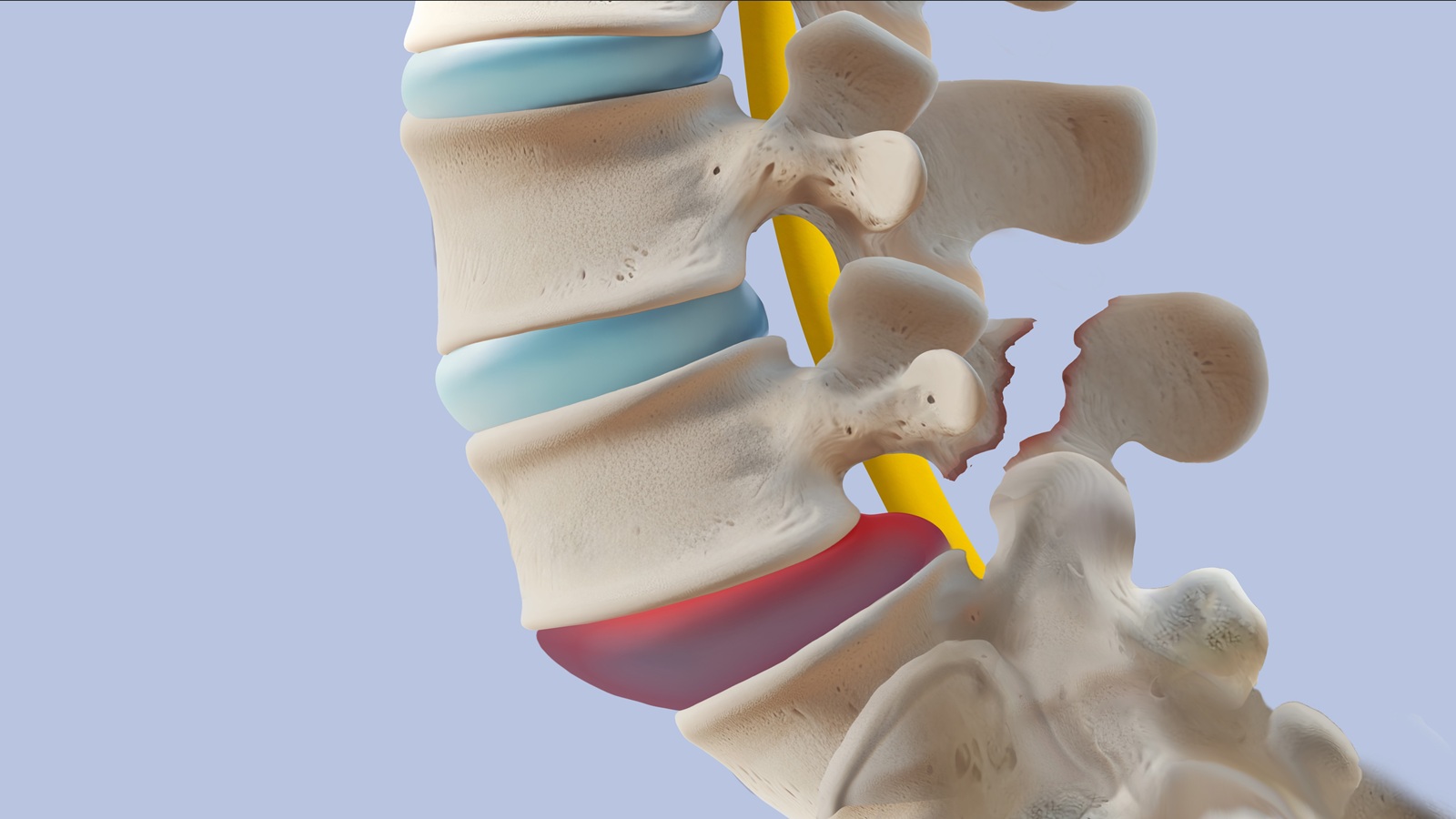
Zoomed-in illustration of inflamed lumbar spinal discs

Lumbar Spondylosis vs. Stenosis: What’s the Difference?

By Back Pain, Minimally Invasive Spine, Minimally Invasive Spine Blogs, Spine Speciality

Lumbar spondylosis and lumbar spinal stenosis are related conditions, but they are not the same. Spondylosis refers to the age-related wear and tear that naturally develops in the spine, while stenosis occurs when those changes narrow the spinal canal and compress nearby nerves. Learn how these conditions differ, the symptoms they cause, how doctors diagnose them, and the treatment options available to help relieve pain, improve mobility, and restore quality of life.

Read More
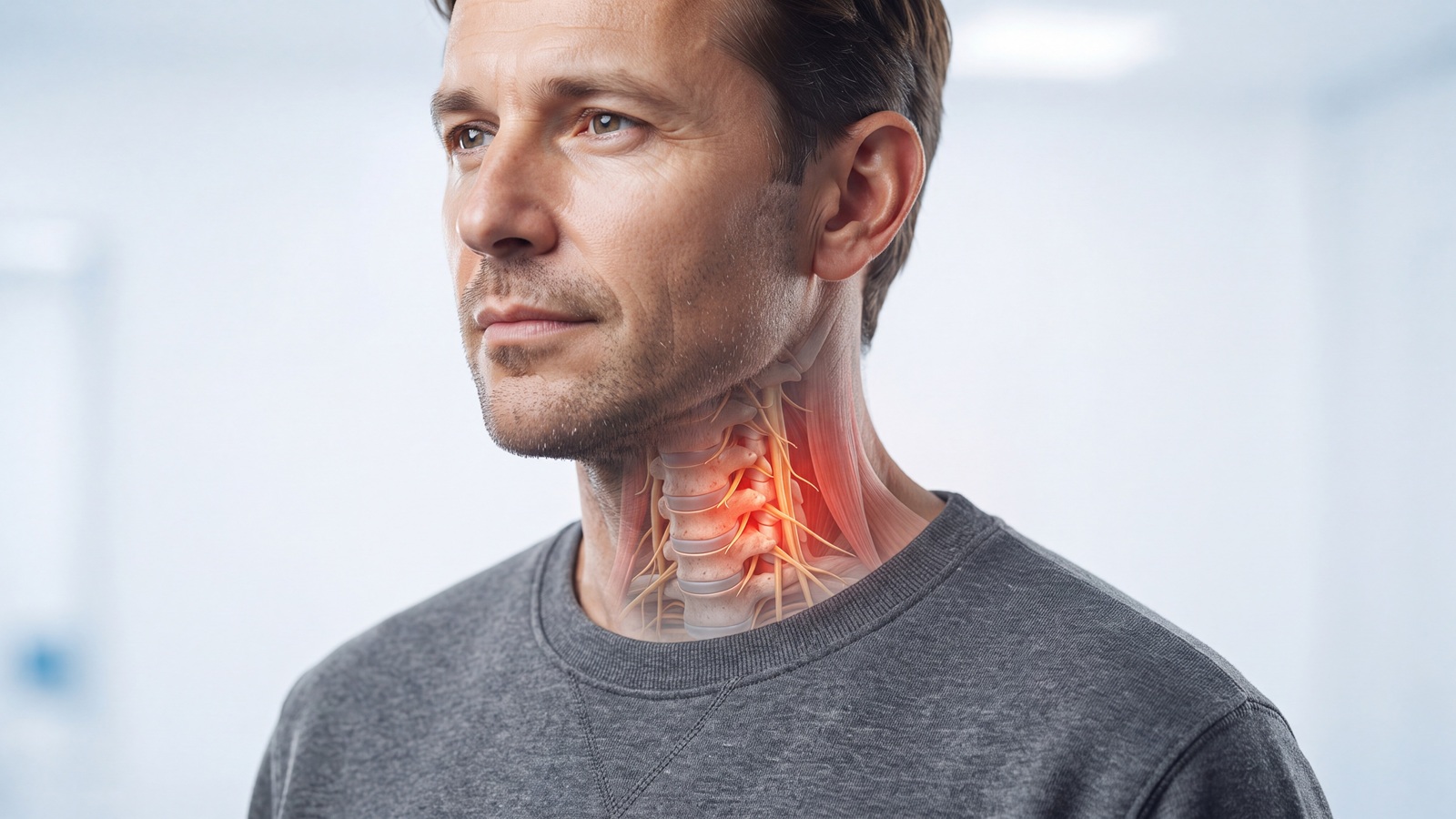
Anatomical visualization of cervical radiculopathy.

Does Cervical Radiculopathy Go Away on Its Own?

By Back Pain, Minimally Invasive Spine, Minimally Invasive Spine Blogs, Neck Pain, Spine Speciality

Cervical radiculopathy, often caused by a pinched nerve in the neck, can lead to arm pain, numbness, and weakness, but many cases improve without surgery. This guide explains how long recovery typically takes, which conservative treatments are most effective, and the warning signs that may indicate you need evaluation by a spine specialist. Understanding what to expect can help you make informed decisions and know when it’s time to seek additional care.

Read More

Lumbar Radiculopathy: What It Is, What Causes It, and What to Do

By Minimally Invasive Spine, Minimally Invasive Spine Blogs, Neck Pain, Spine Speciality

If pain starts in your lower back and travels down one leg, sometimes all the way to your foot, this is likely the condition your doctor is trying to rule in or out. It’s more common than most people realize, and more treatable than most people fear. Understanding what it is and why it happens is a reasonable first step toward feeling less uncertain about where to go from here.

Read More

Cervical Disc Degeneration: Symptoms, Causes, and Treatment

By Back Pain, Minimally Invasive Spine, Minimally Invasive Spine Blogs, Neck Pain, Spine Speciality

Receiving a diagnosis of “cervical disc degeneration” on an imaging report can be unsettling. In the moments between reviewing your results and processing what they mean, it’s natural for your mind to turn to worst-case scenarios. The answers are usually more reassuring than they expect. Here is what you need to know about cervical disc degeneration and what it means for your health.

Read More

From Spinal Cord Compression to Walking Again: Anita’s Cervical Spine Surgery Story with Dr. Jonathan Yun

By Back Pain, Minimally Invasive Spine, Minimally Invasive Spine Blogs, Spine Speciality

After a fall at home in 2023, Anita Hastings was rushed to the hospital with a devastating cervical spinal cord injury. She had suffered a fracture-dislocation in her neck, causing severe spinal cord compression and paralysis in her arms and legs. Dr. Jonathan Yun was called in as the emergency neurosurgeon. Because timing was critical, he performed a two-step emergency spine surgery to decompress Anita’s spinal cord, reduce the fracture, and stabilize her cervical spine.

Read More
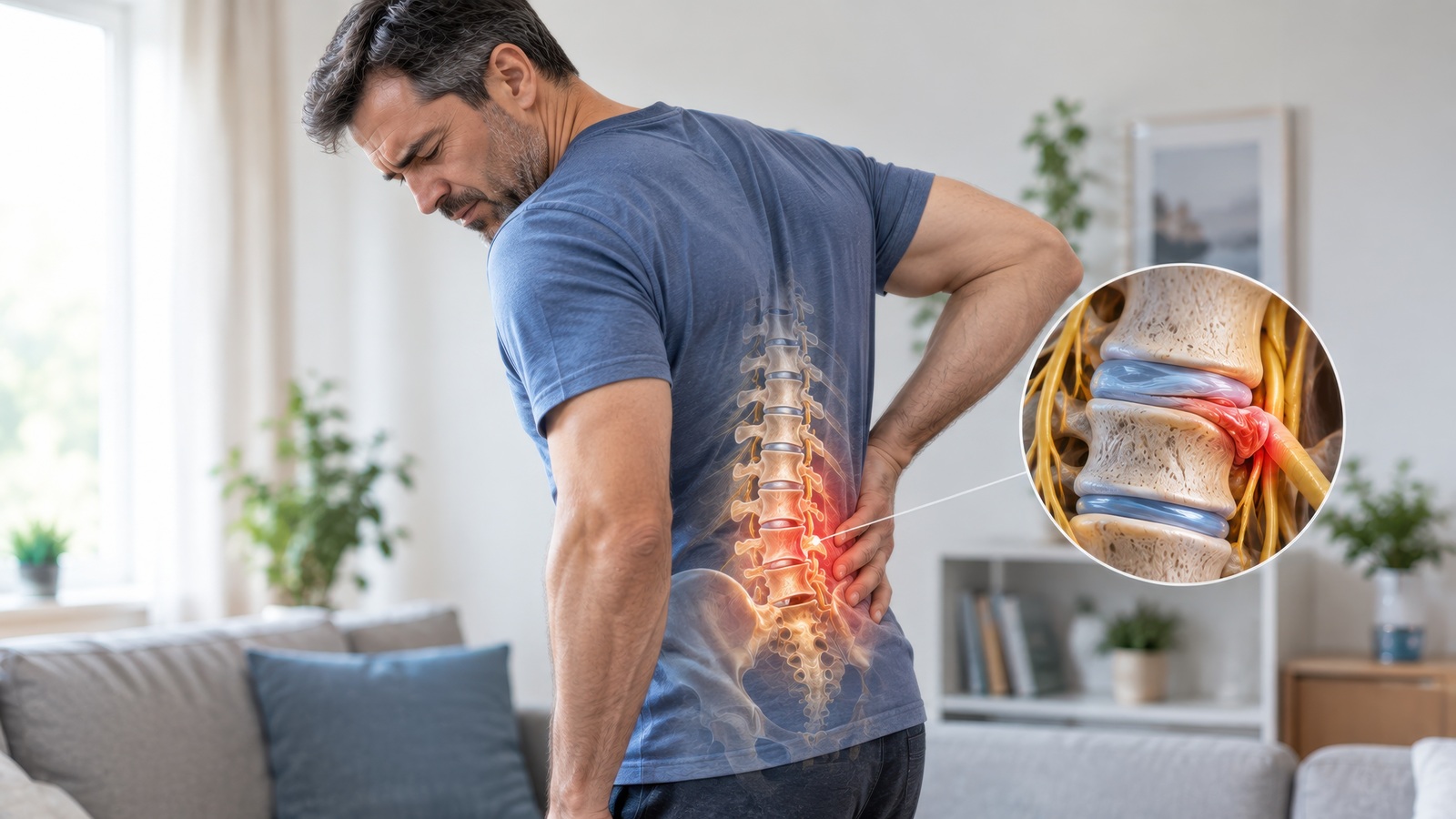
Lumbar intervertebral spine hernia, woman with back pain at home.

Herniated Lumbar Disc Treatment: Your Complete Guide to Recovery

By Back Pain, Minimally Invasive Spine, Minimally Invasive Spine Blogs, Spine Speciality

A herniated disc in the lower back can be painful, frustrating, and disruptive to daily life. Understanding herniated lumbar disc treatment options allows patients to make informed decisions and avoid unnecessary procedures. This guide explains how lumbar disc herniations develop, why many heal naturally, and when additional treatment may be appropriate.

Read More