

Facial twitching is common and usually harmless. Stress, fatigue, caffeine, and eye strain are among the most frequent causes, and many cases resolve on their own. However, persistent twitching, twitching that affects only one side of the face, or facial spasms that worsen over time may be a sign of a neurological condition such as hemifacial spasm.
If your face keeps twitching, gets worse, or only twitches on one side, see a doctor. It could be a condition called hemifacial spasm.
What is Facial Twitching?
Facial twitching refers to involuntary muscle contractions in the face that occur without conscious effort. Most people experience it at some point. An eyelid that flutters for a few days is not a big deal. But spasms that keep spreading or never stop are worth checking out. Pay attention to where the twitching happens, how often it happens, and how long it lasts. This helps your doctor figure out what is going on.
Common Causes of Facial Twitching
Most facial twitching is temporary and related to everyday factors that irritate or overstimulate the nerves and muscles of the face. These causes are usually harmless and often improve once the trigger is addressed. Common causes of facial twitching include:
- Stress and anxiety
- Fatigue and sleep deprivation
- Too much caffeine
- Certain medications
- Eye strain and screen time
In many cases, facial twitching improves within days or weeks after getting more rest, reducing caffeine intake, managing stress, or taking breaks from screens.
When Facial Twitching May Signal a Neurological Condition
Twitching that is persistent, progressive, or isolated to one side of the face warrants closer attention.
Hemifacial Spasm
Hemifacial spasm is one of the most common neurological causes of persistent facial twitching. Hemifacial spasm usually starts near the eye. Over time it can spread to the cheek, mouth, or jaw, all on the same side of the face.
Unlike lifestyle-related twitching, hemifacial spasm does not completely resolve with better sleep or reduced caffeine. Often times, a small blood vessel pushes on a nerve near the brain. This makes the nerve send the wrong signals, which causes the twitching.
Key signs of hemifacial spasm symptoms include:
- Twitching that gradually worsens over weeks or months
- Spasms that spread beyond the eye to facial muscles around the mouth and neck
- Muscle contractions that persist even at rest
- No improvement despite lifestyle changes
Other Neurological Causes
Other health problems can also cause face spasms, but they are much less common. An accurate diagnosis matters because treatment approaches differ significantly depending on the underlying cause.
When Should You See a Doctor for Facial Twitching?
Most facial twitching does not require urgent attention. Consider scheduling an evaluation if:
- Twitching persists for several weeks
- Symptoms are getting worse over time
- Only one side of the face is affected
- Spasms interfere with driving, reading, or daily activities
- Twitching is accompanied by facial weakness or numbness
When to Seek Emergency Care
Call 911 right away if your face twitching comes with arm weakness, trouble speaking, or changes in your vision. Seek immediate medical attention.
Are you out of options
to eliminate your pain?
How Doctors Diagnose Facial Twitching
A physician will review when symptoms began, whether they are progressing, which muscles are involved, and any potential triggers. A neurological exam typically follows. For persistent, one-sided twitching, high-resolution MRI is the most useful imaging tool. An MRI scan can show if a blood vessel is pushing on your facial nerve. It can also help rule out other causes like tumors or cysts.
Facial Twitching Treatment Options
Microvascular Decompression (MVD)
For patients with hemifacial spasm caused by facial nerve compression, microvascular decompression (MVD) is the only treatment that addresses the underlying cause. During surgery, the neurosurgeon gently moves the blood vessel away from the facial nerve and places a small cushion between them to prevent future contact.
Unlike other treatments that temporarily manage symptoms, MVD aims to stop the abnormal nerve signals responsible for facial spasms. Surgeons consider MVD only after a thorough evaluation confirms facial nerve compression.
Botox Injections
Botox is often used to temporarily reduce facial spasms caused by hemifacial spasm. The medication relaxes the affected muscles and can provide relief for several months at a time. However, Botox does not correct the underlying nerve compression, so repeat treatments are usually necessary every three to four months.
Lifestyle Changes
When facial twitching is related to stress, fatigue, caffeine, or eye strain, addressing those triggers is often enough. Better sleep, reduced caffeine intake, stress management, and regular screen breaks can resolve many cases within days to weeks.
Can Facial Twitching Go Away on Its Own?
It depends on the cause. Neurological conditions such as hemifacial spasm rarely resolve without treatment and may gradually worsen over time. If facial twitching is persistent, affects only one side of the face, or spreads to other facial muscles, an evaluation is important to determine whether facial nerve compression is involved.
By contrast, twitching caused by stress, fatigue, caffeine, or eye strain often improves within days to weeks after the trigger is addressed. Understanding the cause of your symptoms helps determine the most appropriate treatment plan.
Frequently Asked Questions
Is facial twitching a sign of a neurological disorder?
Usually not. Temporary lifestyle factors cause most facial twitching. However, persistent one-sided facial twitching may indicate a neurological condition involving the facial nerve such as hemifacial spasm.
Can stress cause facial twitching?
Yes. Stress is one of the most common causes of temporary facial twitching. Increased nervous system activity can make facial muscles more prone to involuntary contractions.
Why does my eyelid keep twitching?
Stress, fatigue, caffeine, eye strain, and lack of sleep are the most common causes of eyelid twitching. Symptoms usually improve once the underlying trigger is addressed. In some cases, however, persistent twitching that begins around one eye and gradually spreads to the cheek or mouth may be caused by hemifacial spasm, a condition in which a blood vessel compresses the facial nerve.
What is hemifacial spasm?
Hemifacial spasm is a neurological condition that causes involuntary muscle contractions on one side of the face. It is most commonly caused by a blood vessel compressing the facial nerve near the brainstem.
Can doctors treat facial twitching?
Yes. Treatment depends on the cause. Lifestyle-related twitching often improves with simple changes, while neurological causes may require treatments such as Botox injections or microvascular decompression surgery.
Can facial twitching be a stroke?
Facial twitching alone is rarely a sign of stroke. However, if facial twitching occurs alongside arm weakness, speech difficulties, vision changes, or confusion, seek emergency medical care immediately.
About Dr. Anthony D'Ambrosio
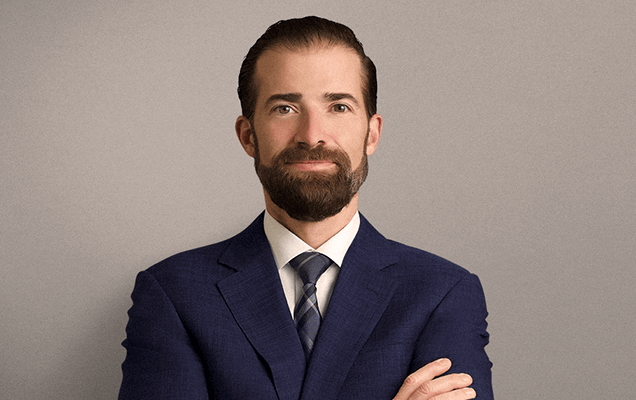
Dr. Anthony D'Ambrosio is an accomplished neurosurgeon in North Jersey and a proud member of Neurosurgeons of New Jersey practicing primarily out of their Ridgewood office conveniently located on East Ridgewood Avenue. Dr. D’Ambrosio focuses his clinical practice on brain tumors, nervous system disorders, and facial pain disorders. He has expertise in a variety of complex surgical and radiosurgical techniques as well as minimally invasive procedures intended to successfully treat complex diseases of the brain. These techniques include micro-neurosurgery, microvascular decompression surgery and Gamma Knife radiosurgery. He's authored over 25 peer-reviewed journals and is the recipient of many awards.
Recent Posts:

Please call today to schedule a consultation with me.
(551) 284-3265
Request a consultation with Dr. D'Ambrosio