


It probably started as a small twitch near your eye. You blamed it on stress, bad sleep, or too much caffeine. Then it did not stop. Weeks passed, the twitching spread, and now it is hard to ignore.
If that sounds familiar, you are not alone. The question most people ask next is: what doctor do you see for hemifacial spasm? It is not a simple answer. Many patients see several providers before getting a clear diagnosis. Here is how to navigate that process.
What Is Actually Causing the Twitching?
Hemifacial Spasm is a nerve condition, not an eye problem or a stress response. In most cases, a blood vessel is pressing against the facial nerve near the brainstem. That pressure irritates the nerve over time and causes the muscles on one side of the face to contract on their own.
Symptoms often begin around the eye and may gradually spread to the cheek, mouth, or jaw. Unlike a common eyelid twitch, hemifacial spasm tends to persist and worsen without treatment. Finding the right doctor for facial twitching matters because the underlying cause determines which treatment will actually help.
Which Specialists Treat Hemifacial Spasm?
When asking who treats hemifacial spasm, it helps to know that different specialists may play a role at different stages of care. If hemifacial spasm is suspected or confirmed, doctors with experience treating facial nerve disorders are often the most helpful.
Neurosurgeons
If you already have a diagnosis of hemifacial spasm or imaging that shows compression of the facial nerve, and conservative treatments no longer provide adequate relief, a neurosurgeon with skull-base training to treat cranial nerve disorders is often the specialist best equipped to discuss your treatment options.
A neurosurgeon will review your MRI, explain whether the facial nerve is being compressed by a blood vessel, and discuss all available treatments, including microvascular decompression (MVD) surgery. Because MVD is designed to relieve the pressure on the nerve itself, neurosurgeons who specialize in MVD surgery exclusively are uniquely positioned to determine whether surgery is most appropriate.
Talking with an expert MVD neurosurgeon does not mean surgery is your next step. It simply gives you a complete understanding of your options and what to expect moving forward.
Neurologists
A neurologist often confirms the diagnosis and helps manage symptoms with medications or Botox. When nerve compression is involved, a neurosurgeon can walk you through every treatment option, including those that address the underlying cause of the condition.
Many patients stay with their neurologist for ongoing care. In some cases, the neurologist may recommend consultation with a neurosurgeon who specializes in cranial nerve conditions if symptoms persist or imaging suggests nerve compression.
Eye Doctors (Ophthalmologists)
Because symptoms often begin around the eye, many patients see an eye doctor first. This is a reasonable place to start. Certain eye conditions can look a lot like hemifacial spasm, so ruling them out is a normal part of the process. If the eye doctor does not find an eye-related cause, they will typically refer you to a neurologist or neurosurgeon for additional evaluation.
Primary Care Physicians
Most patients start here. Your primary care provider will look at your symptoms, check for simple causes like stress or medication side effects, and point you toward the right specialist if something more serious seems to be going on. However, many primary care specialists are unfamiliar with the diagnosis of hemifacial spasm. Patients often have to turn to the internet or AI for guidance. Patients can stay on the right track if they do their own research and locate an expert sooner rather than later to get on the right pathway early.
What Are the Treatment Options?
Treatment plans vary based on symptom severity and patient goals. Common approaches include:
- Observation: appropriate when symptoms are mild and not affecting daily life
- Medications: can reduce spasm frequency, though results vary from person to person. Oftentimes, oral medications do not work for true hemifacial spasm, unfortunately.
- Botox injections: the most common non-surgical treatment, temporarily weakening the muscles involved. Most patients need repeat treatments every three to four months
- Microvascular decompression (MVD): a surgical procedure that moves the blood vessel away from the facial nerve, fixing the root cause instead of just treating the symptoms
Non-surgical treatments manage symptoms. They do not fix the source of nerve compression. Some patients do well with Botox for years. Others look into MVD when their treatments start to lose effectiveness.
Are you out of options
to eliminate your pain?
When Should You See a Neurosurgeon?
A neurosurgical consultation may be worth pursuing if:
- Facial twitching is becoming more frequent or severe
- Botox is wearing off faster or providing less relief than before
- Spasms are interfering with work, sleep, or daily activities
- Your MRI shows a blood vessel in contact with the facial nerve
The Right Doctor Depends on Where You Are
The answer to “what doctor do you see for hemifacial spasm” changes as your care evolves. A primary care provider or eye doctor is often the first stop. A nerve specialist typically confirms the diagnosis and handles early treatment. When nerve compression is involved, a brain surgeon who specializes in MVD surgery exclusively can walk you through every option available, surgical and otherwise.
At Neurosurgeons of New Jersey, our team includes specialists with extensive experience treating cranial nerve disorders, including hemifacial spasm. We are home to leading experts in microvascular decompression and other advanced treatments designed to relieve facial nerve compression. If you are newly diagnosed or have tried Botox and want to understand what other options may be available, we can help you determine the next step that’s right for you.
Frequently Asked Questions (FAQs)
What doctor should I see first for hemifacial spasm?
If you are experiencing unexplained facial twitching, many patients begin with a primary care physician or neurologist. However, if you already have a diagnosis of hemifacial spasm or a recent MRI showing compression of the facial nerve, a neurosurgeon who specializes in cranial nerve disorders is the most appropriate specialist to see. A neurosurgeon can review your imaging, explain your treatment options, and determine whether a procedure such as microvascular decompression may be beneficial.
Is hemifacial spasm a neurological condition?
Yes. Hemifacial spasm involves the facial nerve and is classified as a neurological disorder. It is not caused by stress or an eye condition, although it is often mistaken for both during the early stages.
Can a neurologist treat hemifacial spasm?
Yes. Neurologists commonly diagnose hemifacial spasm and may recommend medications or Botox injections to help manage symptoms. They can also coordinate additional evaluation with a neurosurgeon if those conservative treatments fail.
When should I see a neurosurgeon for hemifacial spasm?
A neurosurgical consultation may be appropriate if symptoms are worsening, Botox is providing limited relief, or imaging shows compression of the facial nerve. A brain surgeon can help you understand whether treatment options that address the underlying cause may be appropriate.
What is the best treatment for hemifacial spasm?
The best treatment depends on the cause and severity of your symptoms. Options may include observation, medications, Botox injections, or microvascular decompression surgery. A thorough evaluation helps determine which approach is most appropriate for your situation.
Can hemifacial spasm go away on its own?
Hemifacial spasm rarely resolves without treatment. Symptoms often remain stable or gradually worsen over time, which is why evaluation by a specialist can be important for understanding the condition and available treatment options.
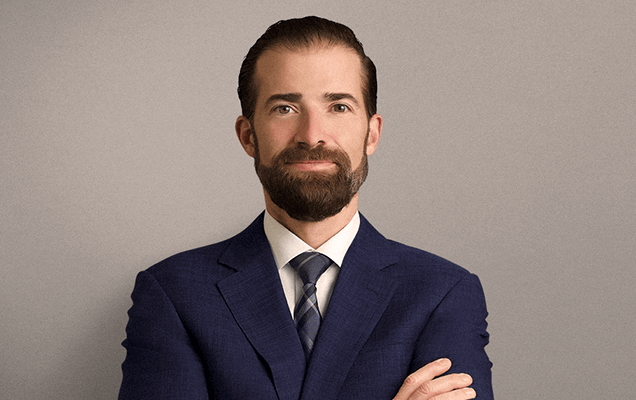
About Dr. Anthony D'Ambrosio
Dr. Anthony D'Ambrosio is an accomplished neurosurgeon in North Jersey and a proud member of Neurosurgeons of New Jersey practicing primarily out of their Ridgewood office conveniently located on East Ridgewood Avenue. Dr. D’Ambrosio focuses his clinical practice on brain tumors, nervous system disorders, and facial pain disorders. He has expertise in a variety of complex surgical and radiosurgical techniques as well as minimally invasive procedures intended to successfully treat complex diseases of the brain. These techniques include micro-neurosurgery, microvascular decompression surgery and Gamma Knife radiosurgery. He's authored over 25 peer-reviewed journals and is the recipient of many awards.




Please call today to schedule a consultation with me.
(551) 284-3265
Request a consultation with Dr. D'Ambrosio