
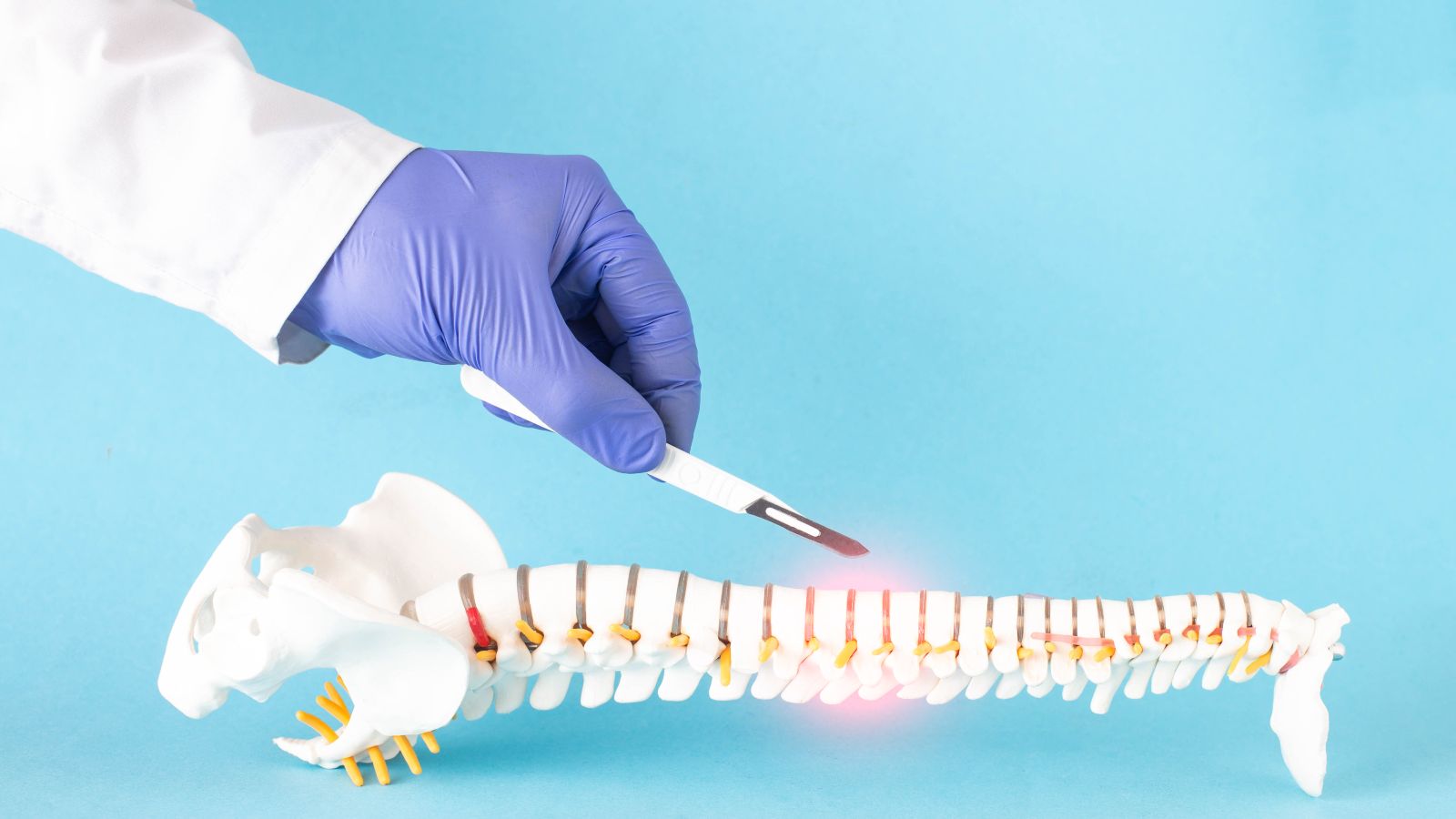

Chronic back pain that won’t respond to conservative treatments can steal your ability to enjoy life. If you’re scheduled for spinal fusion surgery or exploring your options, knowing what to expect, especially regarding surgery duration, helps ease anxiety.
Working with experienced neurosurgeons means you’ll receive expert guidance through every step, from pre-surgical planning to post-operative care. Here’s what you need to know about the spinal fusion process and the factors that influence surgical time.
What Is Spinal Fusion Surgery?
Spinal fusion permanently joins two or more vertebrae using bone grafts, screws, and rods. This creates stability and reduces pain in patients with conditions like degenerative disc disease, spinal stenosis, herniated discs, and scoliosis when other treatments haven’t worked.
The goal remains the same across the cervical, thoracic, and lumbar spine: create a solid union between vertebrae to improve stability and reduce pain.
Knowing how long spinal fusion surgery takes helps with surgical planning, anesthesia management, and recovery expectations. Accurate timeframes help you and your caregivers prepare for the day of surgery and the weeks ahead.
How Long Is Spinal Surgery?
Spinal fusion surgery typically takes 2–6 hours. The exact time depends on surgical complexity. Recent advances, such as single-position procedures and enhanced recovery protocols, have reduced operative times while maintaining safety.
Here’s what affects spinal fusion surgery duration:
Number of vertebrae involved
Single-level spinal fusion typically takes 2 to 3 hours. The surgeon focuses on fusing just one spinal segment. Shorter duration comes from less extensive surgical exposure, simpler dissection, and straightforward hardware placement.
Multi-level spinal fusion usually takes 3 to 5 hours. These cases need greater surgical exposure, additional instrumentation (screws, rods, cages), and often supplementary procedures like decompression or laminectomy. Multiple segments require more preparation and careful attention to detail.
Surgical technique
Your surgical approach significantly impacts procedure duration. Traditional open surgery involves larger incisions and more extensive tissue movement, which increases operative time. Minimally invasive techniques use smaller incisions and specialized tools, guided by imaging.
While minimally invasive procedures initially took longer to ensure precise hardware placement, experienced surgeons often complete them more quickly. Patients benefit from faster recovery and less blood loss.
Recent innovations like single-position lumbar fusion have cut average operating times from over 5 hours to roughly 1.5–2 hours by eliminating mid-procedure patient repositioning. (Would say have cute down 6-8 hour surgeries to roughly 2-4 hours)
Condition severity
Spinal deformities, severe degenerative changes, or previous surgeries may require more complex approaches, which extend operation time.
Patient health history
Your overall health matters. Conditions like obesity, osteoporosis, or other medical issues can extend surgery duration as surgeons take extra precautions.
Surgeon’s expertise
Experienced neurosurgeons refine their techniques to minimize spinal fusion surgery time without compromising quality. Studies show that surgical teams specializing in minimally invasive approaches often achieve shorter operative times with comparable or better outcomes.
Step-by-Step Breakdown of the Spine Fusion Procedure and Timing
Step 1: Preoperative Preparation (30-60 minutes)
Before surgery begins, the team sedates and positions you, which takes roughly 30-60 minutes. Proper positioning gives the surgeon access to your spine and helps prevent postoperative complications. The surgical team carefully prepares and sterilizes the operative area during this time.
Step 2: The Surgical Procedure (1.5-4 hours)
Incision and access (15-45 minutes): Creating surgical access takes 15 to 45 minutes, depending on the approach. Minimally invasive techniques often need less time for tissue dissection while providing excellent visualization through specialized instruments.
Decompression and preparation (30-60 minutes): If nerve decompression is needed, the surgeon carefully removes bone spurs, disc material, or other structures compressing neural elements. This phase requires precision to protect delicate nerves while creating space for healing.
Bone grafting and hardware placement (45-120 minutes): The core work, bone grafting and hardware placement, requires 45 minutes to 2 hours of precise execution. The surgeon prepares the vertebral surfaces, places bone grafts or biologics, and secures them with appropriate hardware. Advanced techniques like percutaneous screw placement can reduce this time while maintaining accuracy.
Closure (20-45 minutes): Closing the surgical site and applying dressings takes another 20 to 45 minutes, with careful attention to proper tissue healing and cosmetic outcomes.
Step 3: Postoperative Recovery (30-60 minutes)
During the final 30-60 minutes, you’re monitored in the operating room before transfer to recovery. The team ensures stable vital signs and an appropriate response to anesthesia.
What to Expect During the Hospital Stay After Surgery?
Spinal fusion recovery begins with 1 to 2 hours in the post-anesthesia care unit under close monitoring. Medical staff carefully track vital signs, pain levels, and neurological status.
Hospital stays vary based on surgical complexity and individual factors. Many minimally invasive procedures are now performed on an outpatient basis, letting patients go home the same day. More complex multi-level fusions or cases involving significant decompression typically require 1 to 2 nights of observation.
During hospitalization, the medical team monitors wound healing, manages pain, and watches for potential complications. Physical therapists begin teaching proper body mechanics and essential movements to guide safe recovery. Enhanced Recovery After Surgery (ERAS) protocols have transformed postoperative care, reducing opioid use while maintaining effective pain control.
Your surgical team creates a personalized recovery plan with appropriate care and guidance throughout your stay. Following all postoperative care instructions promotes proper healing and a successful transition to home recovery. Regular assessments let your team track progress and adjust your treatment plan as needed.
It's time to get back
to doing what you love.
Timeline for Return to Activities
Knowing realistic recovery milestones helps set appropriate expectations:
- Weeks 1-2: Focus on gentle walking and basic daily activities. Avoid bending, lifting, and twisting. Most patients experience significant pain improvement during this period.
- Weeks 3-6: Many patients return to non-strenuous work. Continue avoiding activities that stress the spine. Pain typically decreases substantially.
- Weeks 6-12: Physical therapy often begins during this window, focusing on core strengthening and proper movement patterns. Light exercise becomes appropriate with the surgeon’s approval.
- Months 3-6: Most patients resume normal activities, including recreational pursuits. The fusion continues solidifying, though most functional recovery occurs by this point.
- Months 6-12: Return to more demanding activities like contact sports may be appropriate with medical clearance. Complete bone fusion typically takes 9-12 months, though symptoms often improve much earlier.
Learn more about what to expect during your recovery in our guide to precautions after spine surgery.
Why Choose Experienced Neurosurgeons for Spinal Fusion Surgery?
Neurosurgeons of New Jersey combines specialized expertise with patient-centered care. Our team of board-certified neurosurgeons brings extensive training in advanced surgical techniques, including minimally invasive approaches designed to reduce hospital stays and promote faster recovery.
The practice stands out through same-day telehealth availability and personalized attention. Each patient receives an individualized care plan that reflects their personal needs and goals. Our surgeons stay current with the latest surgical innovations, so patients benefit from proven techniques that optimize outcomes.
With multiple offices across New Jersey and New York, our locations make expert care accessible when you need it most. Whether you need a single-level fusion or a more complex multi-level procedure, our experienced team provides the specialized care necessary for excellent results.
Be Prepared for Your Spinal Fusion Surgery
Spinal fusion surgery typically lasts 2 to 6 hours, depending on individual factors and surgical complexity. Success depends on choosing qualified surgeons, following proper preparation instructions, and committing to postoperative care.
When considering spinal fusion, consult experienced specialists who can provide comprehensive information on what to expect. Understanding the procedure timeline helps you prepare, both mentally and logistically, for this surgery.
Ready to take the next step? Request a consultation with Neurosurgeons of New Jersey today. Our accessible locations and flexible scheduling make it easy to begin your journey toward improved quality of life and lasting pain relief.
Dr. Anthony Conte, MD
Dr. David Estin, MD, FACS
Dr. Christopher Gillis, MD, FRCSC, FAANS
Dr. Jonathan H. Lustgarten, MD
Dr. Ty J. Olson, MD, FACS

About Eatontown
Our team of board certified physicians, located in Eatontown, New Jersey, are dedicated to bringing you the latest developments and treatment options for spinal surgery. We strive to produce the most clarified & clear content to help you make informed decisions on your medical journey. The road to feeling like your true self should not feel lonely- Let us help you. Please call us to schedule a consultation and speak to one of our team members.