Contact Us Today

Schedule a consultation with us and hear back within 24 hours or call us at (862) 223-8858

Schedule a Consultation Call Now
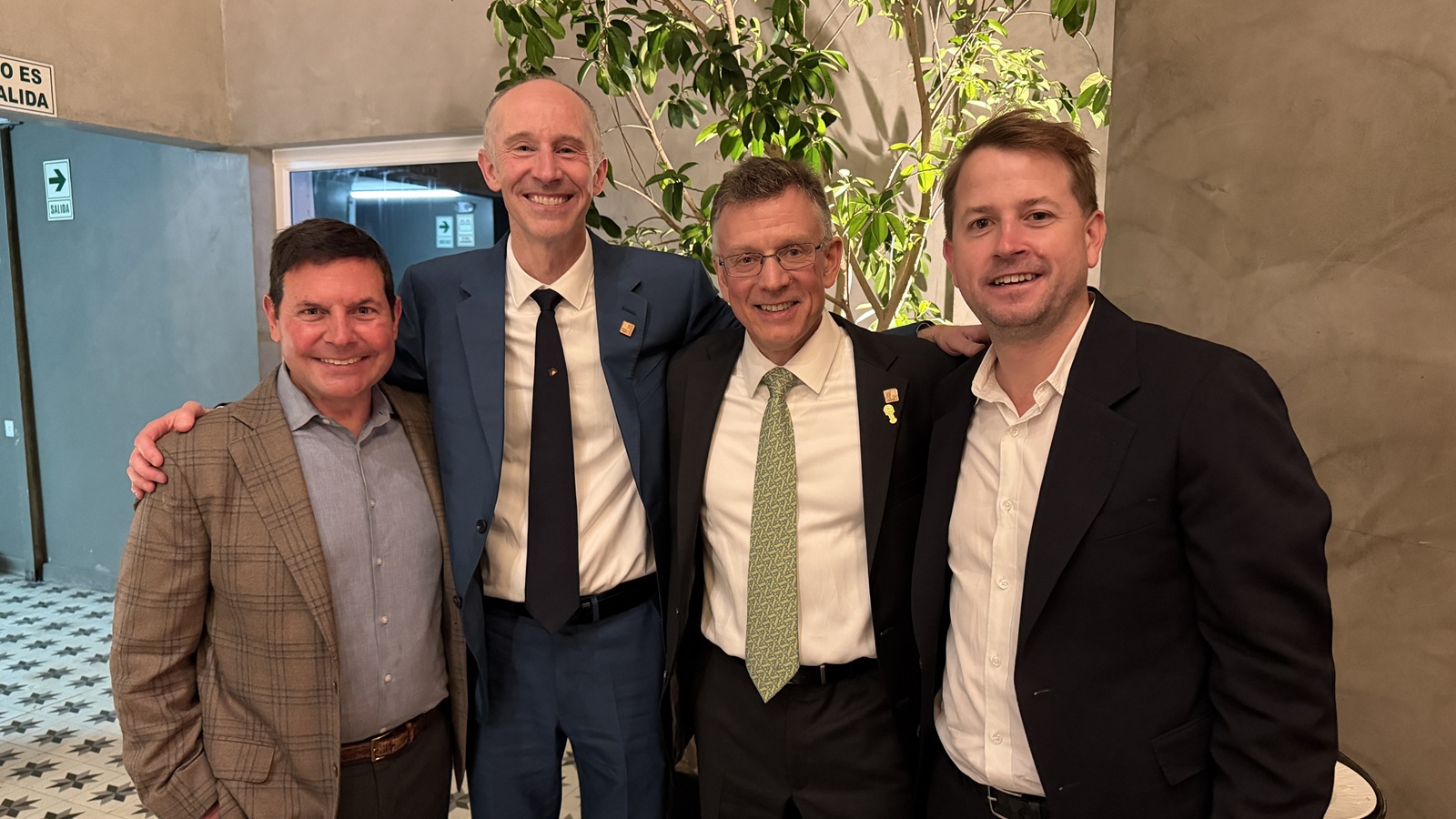
eurosurgeons of New Jersey physicians Dr. Michael Kaiser, Dr. Richard Anderson, and Dr. David Estin with Dr. Caleb Rutledge at the 2026 Society of University Neurosurgeons meeting in Lima, Peru.

NSONJ Neurosurgeons Share Expertise at International Society of University Neurosurgeons Meeting

By Minimally Invasive Spine

Dr. Michael Kaiser, Dr. Richard Anderson, Dr. David Estin, and Dr. Caleb Rutledge recently represented the practice at the 2026 annual meeting of the Society of University Neurosurgeons (SUN), held June 28 through July 2 in Lima, Peru. Their participation reflected not only the practice’s commitment to exceptional patient care, but also its ongoing leadership in academic neurosurgery, research, and education.
Read More

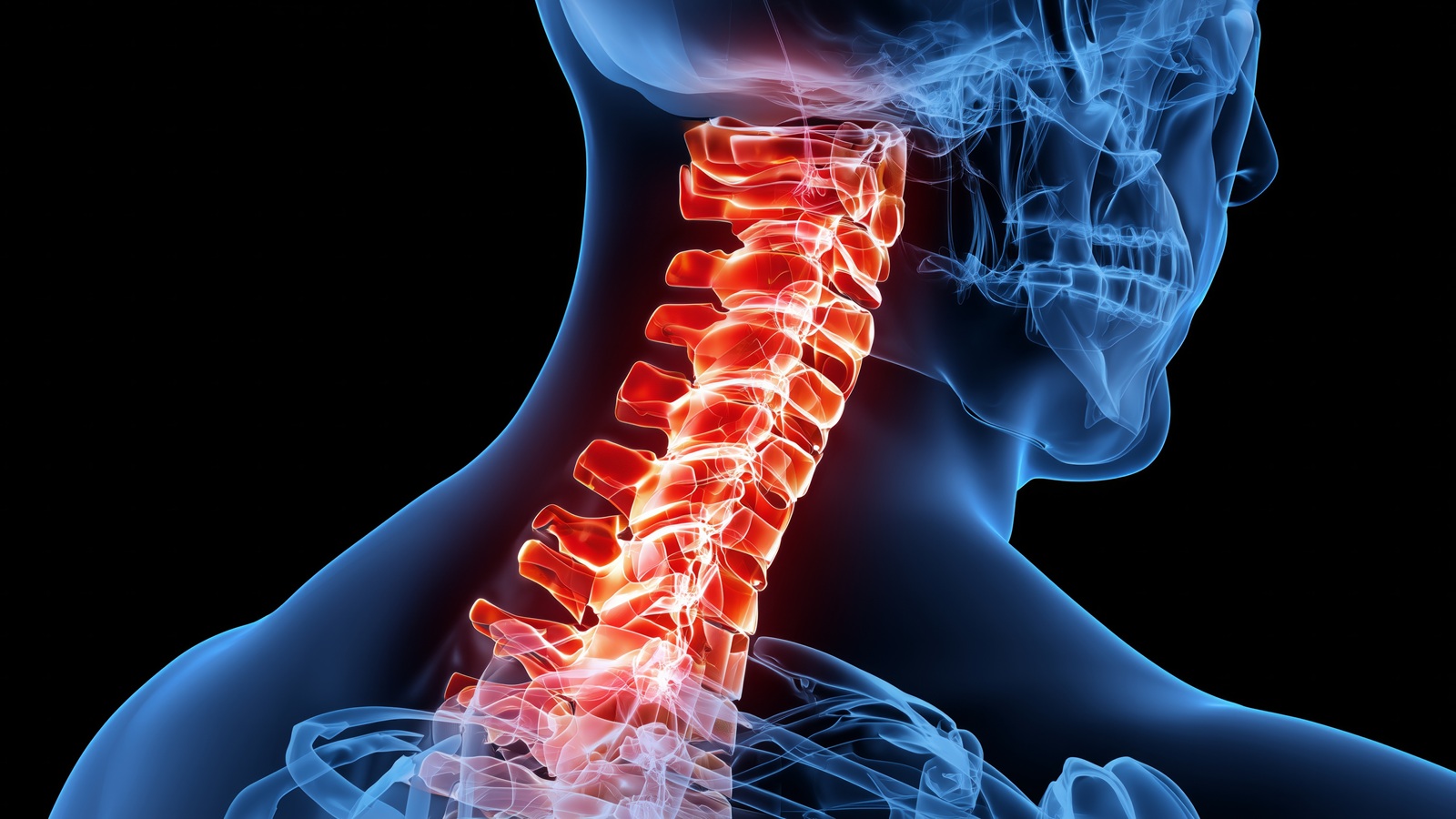
Facial Twitching: Causes, Symptoms, and Treatment Options

By Facial Wellness Blogs

Facial twitching is usually temporary and caused by common factors like stress, fatigue, caffeine, or eye strain. However, persistent twitching, especially when it affects only one side of the face or gradually worsens, may be a sign of hemifacial spasm or another neurological condition. Learn the most common causes of facial twitching, when to seek medical evaluation, how doctors diagnose the problem, and the treatment options available.

Read More
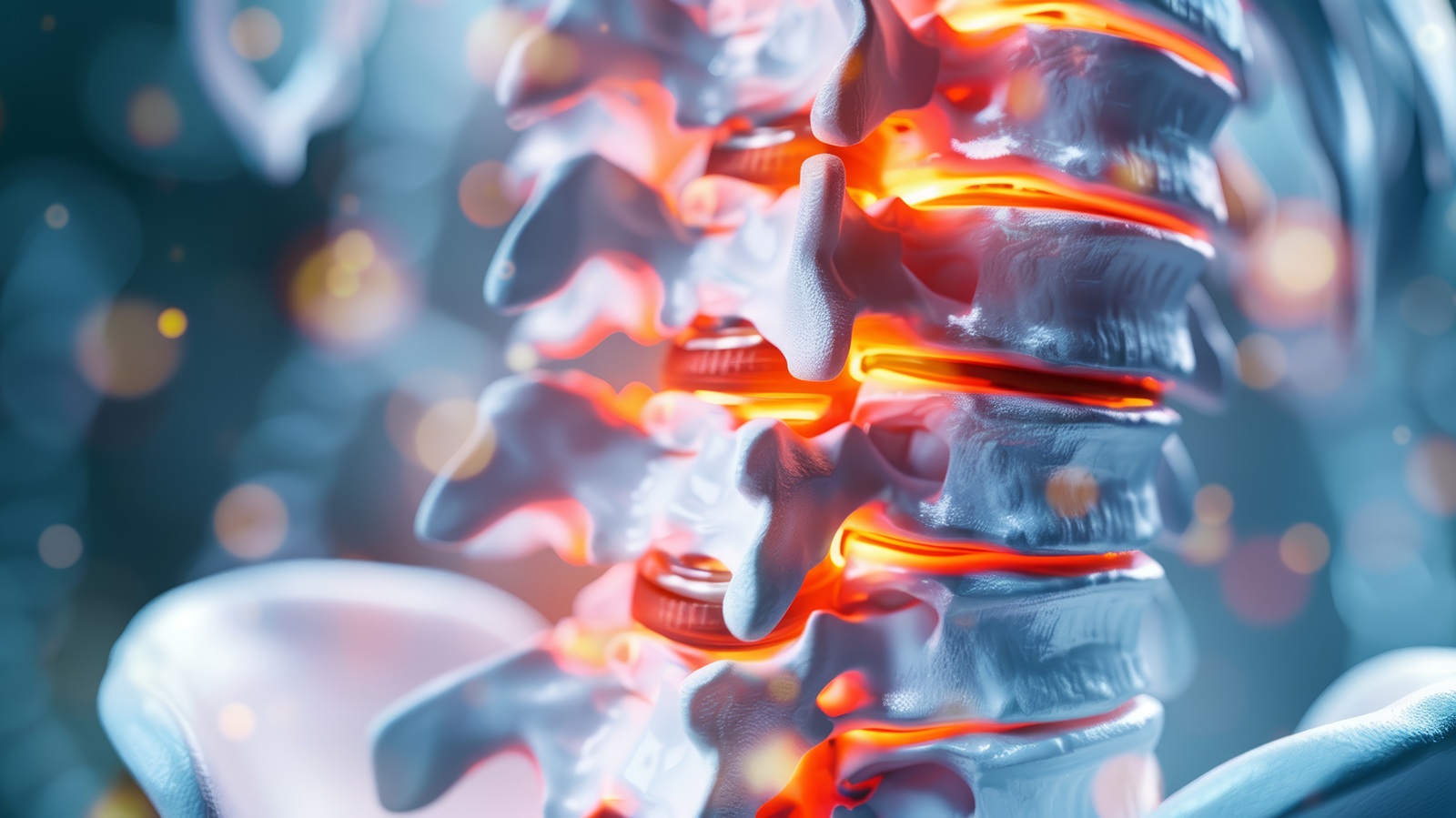
Zoomed-in illustration of inflamed lumbar spinal discs

Lumbar Spondylosis vs. Stenosis: What’s the Difference?

By Back Pain, Minimally Invasive Spine, Minimally Invasive Spine Blogs, Spine Speciality

Lumbar spondylosis and lumbar spinal stenosis are related conditions, but they are not the same. Spondylosis refers to the age-related wear and tear that naturally develops in the spine, while stenosis occurs when those changes narrow the spinal canal and compress nearby nerves. Learn how these conditions differ, the symptoms they cause, how doctors diagnose them, and the treatment options available to help relieve pain, improve mobility, and restore quality of life.

Read More
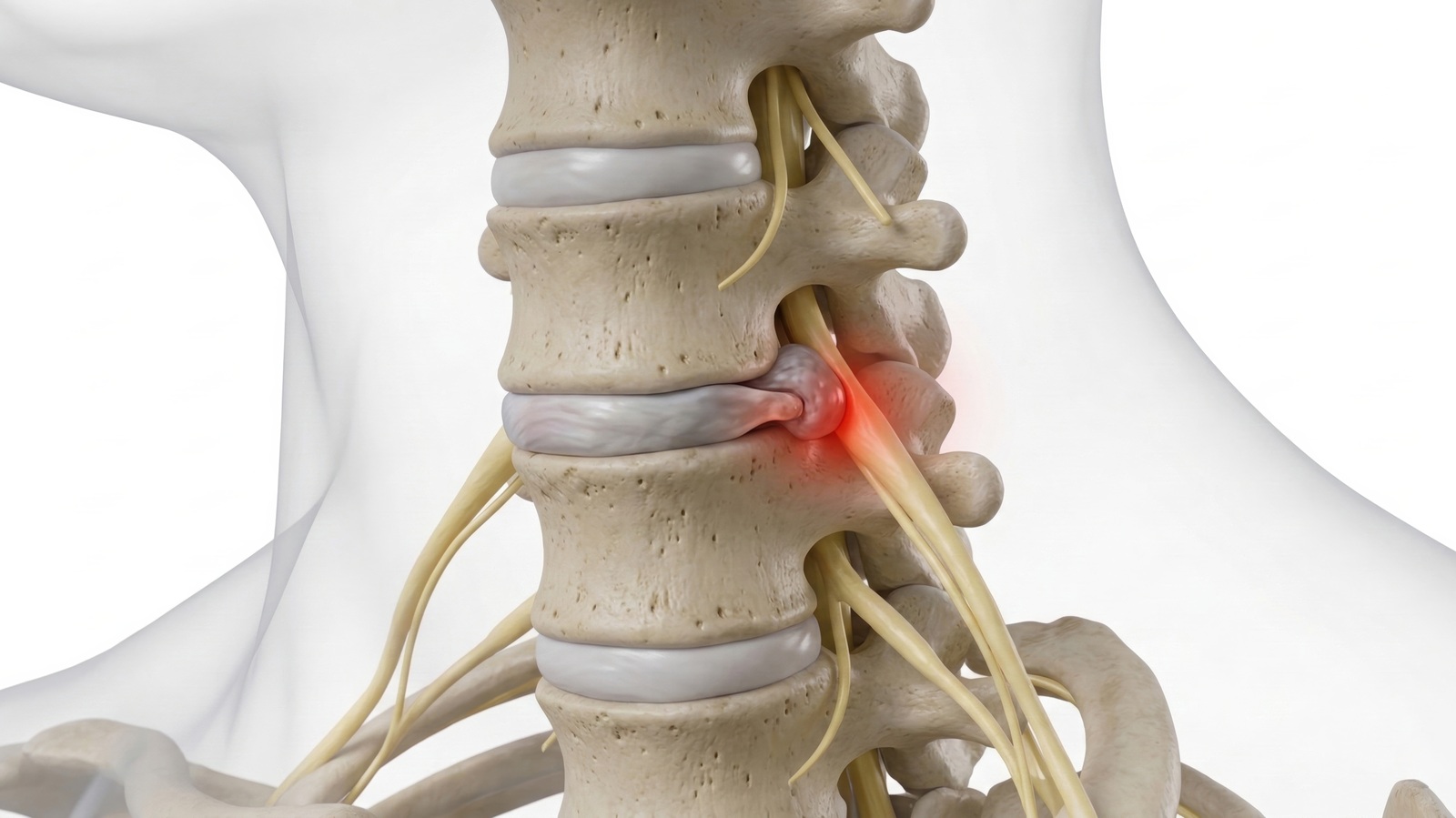
Anatomical visualization of cervical radiculopathy.

Does Cervical Radiculopathy Go Away on Its Own?

By Back Pain, Minimally Invasive Spine, Minimally Invasive Spine Blogs, Neck Pain, Spine Speciality

Cervical radiculopathy, often caused by a pinched nerve in the neck, can lead to arm pain, numbness, and weakness, but many cases improve without surgery. This guide explains how long recovery typically takes, which conservative treatments are most effective, and the warning signs that may indicate you need evaluation by a spine specialist. Understanding what to expect can help you make informed decisions and know when it’s time to seek additional care.

Read More