What is Hemifacial Spasm?
Hemifacial Spasm, which is also known as a facial twitch, involves the facial muscles on one side of the face. Most commonly, it starts in an eye muscle as an infrequent, involuntary twitch or flutter. Over time, the facial spasm progresses to the mouth muscles on one side of the face. The neck and forehead are usually the last parts of the face to be affected by hemifacial spasm. This condition develops when the facial nerve becomes irritated or compressed, most often by a nearby blood vessel. As time progresses, people can experience prolonged muscle contractions and these tonic spasms can even involve the superficial muscles of the neck on the same side.
These extended contractions result in severe disfiguring and grimacing that includes forced eye closure, as well as a pulling of the corner of the mouth. In fact, some patients will experience such strong facial spasms that they are not able to drive safely. For many, these involuntary movements interfere with reading, social interactions, sleep, or daily tasks, significantly impacting their quality of life.
Hemifacial spasm is most often caused by a small vessel pressing on the facial nerve where the nerve exits the brainstem. A high-resolution MRI (sometimes referred to as a FIESTA MRI) can demonstrate the exact location where the blood vessel is pressing on the facial nerve. Identifying this point of compression is essential for determining the most effective treatment options.
Unlike a more common condition called trigeminal neuralgia, hemifacial spasm does not result in facial pain. Unless someone has long-lasting facial muscle contractions and cramping, hemifacial spasm is often painless. Patients with multiple sclerosis can be affected by both trigeminal neuralgia, and rarely, hemifacial spasm. An experienced neurologist or neurosurgeon can help distinguish between hemifacial spasm vs. other “mimics” and guide appropriate care.
To learn more about related nerve disorders, visit our Facial Wellness and Trigeminal Neuralgia pages.
As time progresses, people can experience prolonged muscle contractions or facial spasm on one side in the affected areas of the face.
These extended contractions result in severe disfiguring and grimace in the face as well as eye closure and the corner of the mouth being pulled upwards on one side. In fact, some patients will experience such strong facial spasms that they are not able to drive safely.
Hemifacial spasm is caused by a blood vessel pressing on the facial nerve where the nerve exits the brainstem. This is a debilitating disease that can greatly affect one’s quality of life. A high-resolution MRI can often show you the exact location where the blood vessel is pressing on the facial nerve.
Unlike a more common condition called trigeminal neuralgia, hemifacial spasm does not result in facial pain. Unless someone has long-lasting facial muscle contractions and cramping, hemifacial spasm is often painless. Patients with multiple sclerosis can be affected by both trigeminal neuralgia, and rarely, hemifacial spasm.
“ If you have been diagnosed with hemifacial spasm, consider calling me at (201) 327-8600 to see if you qualify for a telehealth visit asap“
– Dr. Anthony D’Ambrosio
Symptoms of Hemifacial Spasm?
Hemifacial Spasm patients may experience some or all of the following symptoms:
- Irregular twitching in the eyelid muscle.
- Forced closure of the eye on one side.
- Spread of facial spasm to include other muscles in the lower part of the face.
- Mouth pulling to one side.
- Tightening or stiffness in the facial muscles.
- Involuntary movements that become more frequent or difficult to control over time.
Who is most likely to get Hemifacial Spasm?
Hemifacial spasm is not a common condition. In fact, most people have never even heard of it until they get diagnosed. Hemifacial spasm can affect both men and women. Around the world, about 15 per 100,000 women and 7 per 100,000 men are impacted by hemifacial spasm. So, females are affected twice as much as men, on average. Hemifacial spasm usually starts in adulthood, around ages 40-60 years old (middle-aged). Research has found that the left side is affected more than the right (but we don’t know why).
Hemifacial spasm involves an overactive, strong contraction of the facial muscles on one side. On the opposite side of the spectrum is Bell’s palsy. Bell’s palsy is a severe weakness of the facial muscles on one side of the face. Causes of Bell’s palsy are different from the causes of hemifacial spasm. With Bell’s palsy, people most often have some form of injury or inflammation to the facial nerve (the seventh cranial nerve) on one side (right or left) or, in some circumstances, a stroke. The onset of Bell’s palsy is usually fast, and immediate medical attention should be obtained should this happen to you or someone you know. You should check with your doctor to see if you have a facial nerve injury or a viral infection. Understanding the distinction between these two conditions is important because they require different treatment approaches.
Hemifacial Spasm is not Bell’s palsy
Hemifacial spasm involves an overactive, strong contraction of the facial muscles on one side. Bell’s palsy is a severe weakness of the facial muscles on one side of the face. Causes of Bell’s palsy are different from the causes of hemifacial spasm. With Bell’s palsy, people most often have some form of injury or inflammation to the facial nerve (the seventh cranial nerve) on one side (right or left) or, in some circumstances, a stroke. The onset of Bell’s palsy is usually fast and immediate medical attention should be obtained should this happen to you or someone you know. You should check with your doctor to see if you have a facial nerve injury or viral infection.
Treatments for Hemifacial Spasm
If you’re experiencing hemifacial spasm, it’s likely that the first thing on your to-do list is to explore your treatment options. With the help of an experienced team of specialists, you can breathe easy knowing that we are here to help you try to find relief asap. Your treatment plan may depend on the severity of your symptoms, MRI findings, and overall health.
Botox Injections
Botox injections are often one of the only medical options for patients suffering from severe facial spasms. Botox is also known as botulinum toxin and, in experienced hands, can be used safely to help the symptoms of hemifacial spasm. For some lucky patients, Botox can be enough. For many others, the effects of Botox wear off, or the side effects are not much better than the spasms themselves. If you have tried Botox and the results are not what you want, there might be another option for you. Botox provides temporary relief by relaxing overactive muscles, but it does not correct the underlying nerve compression causing the disorder.
Microvascular Decompression
Ultimately, the best and most effective treatment for most cases of hemifacial spasm is microvascular decompression surgery (MVD). This procedure often provides people with instant or delayed relief from the symptoms of their hemifacial spasm. Unlike during treatments such as Botox, successful MVD surgery doesn’t weaken the muscles of the face or leave someone with a weak or uneven smile.
In the majority of cases, hemifacial spasm is caused by a blood vessel, such as a vein or artery, pressing up against the nerve, causing the nerve to misfire. MVD surgery addresses this “conflict” by positioning a small Teflon sponge between the blood vessel and the facial nerve, creating a cushion or insulation that protects the nerve from the pulsing of the blood vessel. Recovery from MVD is relatively short, and noticeable relief is usually immediate. Most patients return to normal activities within a few weeks and experience long-lasting improvement. You can learn more about this procedure on our Microvascular Decompression blog.
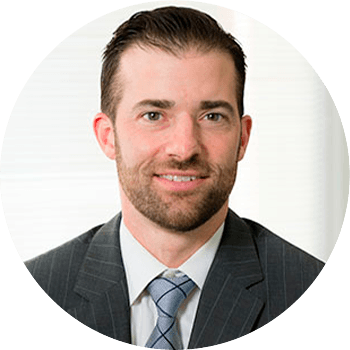
“ If you are interested in learning more about MVD surgery for hemifacial spasm, call my office at (201) 327-8600 to see if you qualify for a telehealth visit asap“
– Dr. Anthony D’Ambrosio
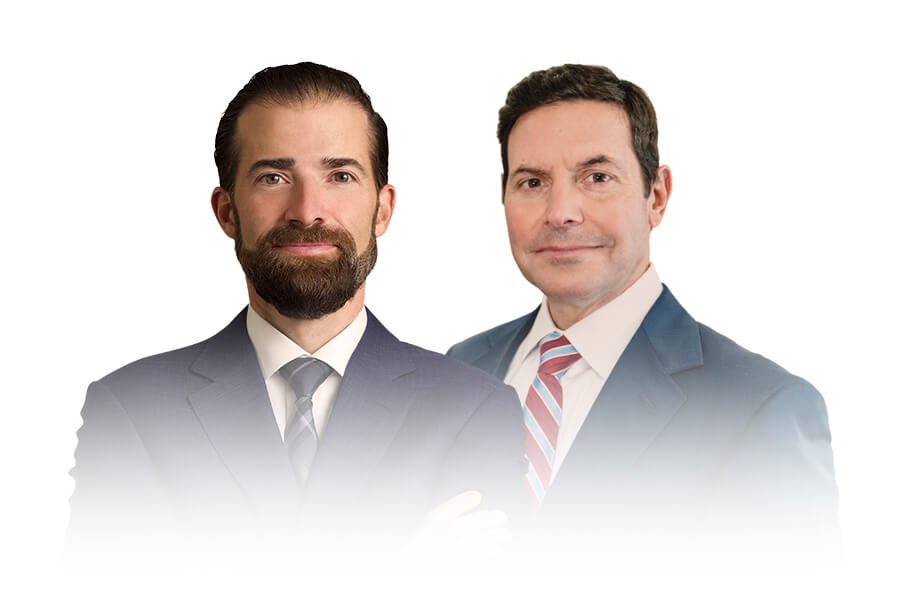
Find a Hemifacial Spasm Expert – It really matters.
At Neurosurgeons of NJ our patients come first. People like Dr. Anthony D’Ambrosio specialize in treating facial conditions, including the treatment of hemifacial spasm, trigeminal neuralgia and glossopharyngeal neuralgia.
Our specialists are board-certified, board-eligible (BC/BE) and have vast experience in working with individuals who require specialized care depending on the specifics of their condition. They will treat you as the unique individual you are, rather than a number on a list of insurance claims.
In addition to experienced specialists, Neurosurgeons of New Jersey offers the convenience of nine locations, ensuring you don’t have to travel far to find the top care in the industry. You owe it to yourself to seek the best treatment possible. Neurosurgeons of New Jersey can help you on your path to recovery from hemifacial spasm and its debilitating symptoms.
We’ve got you covered.
At Neurosurgeons of New Jersey, we recognize that insurance is a critical concern for patients. We have an insurance specialist on staff who can help you navigate and manage your insurance policy.





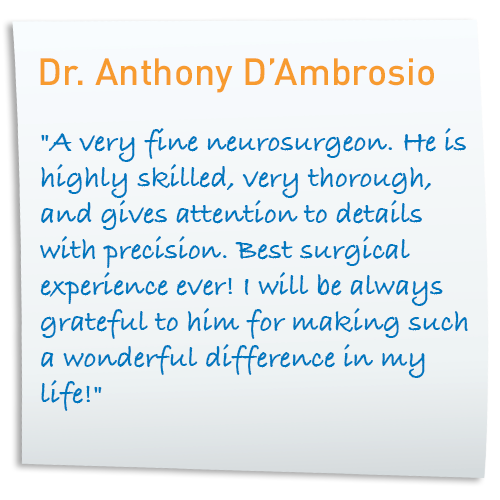
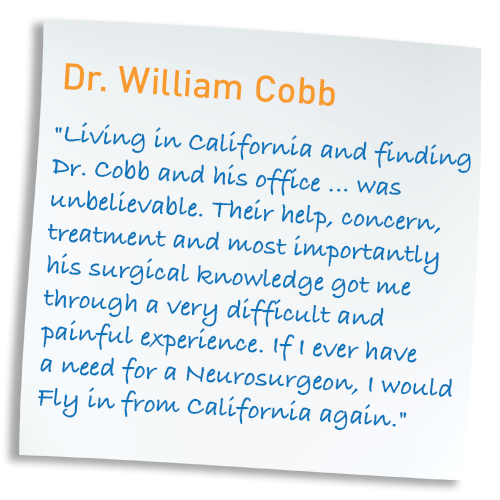
Excellent doctor… you cannot be in better hands. After surgery, recovery occurred exactly as stated in the time frame stated. Outstanding.

Need more info? Check out our most frequently asked questions.
What causes hemifacial spasm?
The condition is usually caused by a blood vessel pressing on the facial nerve as it exits the brainstem. Less commonly, it may occur in people with multiple sclerosis or follow facial nerve injury.
Is hemifacial spasm dangerous?
While not life-threatening, the condition can significantly impact daily life and safety, especially if the eye closes involuntarily during activities like driving.
How is hemifacial spasm diagnosed?
Diagnosis typically includes a neurological exam and a high-resolution MRI to identify nerve compression.
Can hemifacial spasm go away on its own?
The condition rarely resolves without treatment. Symptoms often worsen over time if the underlying nerve compression is not addressed.
Is surgery the only long-term solution?
MVD is the only treatment that targets the root cause. Botox may provide temporary symptom relief, but it does not correct the nerve compression.
Does stress or fatigue make hemifacial spasm worse?
Yes. While stress does not cause hemifacial spasm, many patients report that fatigue, anxiety, and lack of sleep can increase the frequency or intensity of spasms. Managing stress and maintaining good sleep habits may help lessen symptoms.
Does hemifacial spasm affect both sides of the face?
Hemifacial spasm almost always affects only one side of the face. Bilateral cases are extremely rare and may signal an underlying neurological condition that requires further evaluation.
Can hemifacial spasm lead to permanent facial damage?
The spasms themselves typically do not cause permanent damage, but long-standing nerve irritation may result in muscle tightness or asymmetry over time. Treating the underlying nerve compression can help prevent progression.
How long does it take to recover from microvascular decompression?
Most patients stay in the hospital for one to two days and resume light activities within one to two weeks. Full recovery varies, but many people return to their normal routines within a few weeks.
Is microvascular decompression safe?
MVD is a well-established procedure with a high success rate when performed by experienced neurosurgeons. As with any surgery, risk exists, but serious complications are uncommon. Your surgeon will review individualized risks based on your health and imaging.
We practice what we preach.