
Filter By Location
Show All Locations
Livingston
Ridgewood
Eatontown
Paterson
Glen Ridge
Edison
Morristown
Pulsatile tinnitus has a real, identifiable cause in many patients. Our specialists focus on thorough evaluation to provide clear answers, meaningful relief, and a path forward that fits your life with minimal disruption.
With deep expertise in the vascular causes of pulsatile tinnitus, we help patients move from uncertainty to clarity. The right diagnosis can lead to effective treatment, reassurance, and a faster return to daily life.
Our board-certified surgeons are experienced in treating Pulsatile Tinnitus, providing minimally invasive, personalized care tailored to your specific needs.
At Neurosurgeons of New Jersey, we’re one of the few neurosurgical practices in the state that accepts all major insurance plans. Partnered with a vast network of in-network insurance providers, we work with you to get the care you deserve, making high-quality cervical spine care more accessible. Our insurance specialists can check your coverage and help navigate the approval process with you.




1200 East Ridgewood Ave, Suite 200
Ridgewood, NJ 07450
201-327-8600
St. Barnabas ACC
200 South Orange Avenue, Suite 265
Livingston, NJ 07039
973-577-2888
745 Hope Road,
Eatontown, NJ 07724
732-222-8866
703 Main Street, Suite A2404
Paterson, NJ 07503
973-754-2463
311 Bay Avenue, Suite 201
Glen Ridge, NJ 07028
973-577-2883
3840 Park Ave, Suite 103B
Edison, NJ 08820
732-372-7085
1200 East Ridgewood Ave, Suite 200
Ridgewood, NJ 07450
201-327-8600
St. Barnabas ACC
200 South Orange Avenue, Suite 265
Livingston, NJ 07039
973-577-2888
745 Hope Road,
Eatontown, NJ 07724
732-222-8866
703 Main Street, Suite A2404
Paterson, NJ 07503
973-754-2463
311 Bay Avenue, Suite 201
Glen Ridge, NJ 07028
973-577-2883
3840 Park Ave, Suite 103B
Edison, NJ 08820
732-372-7085

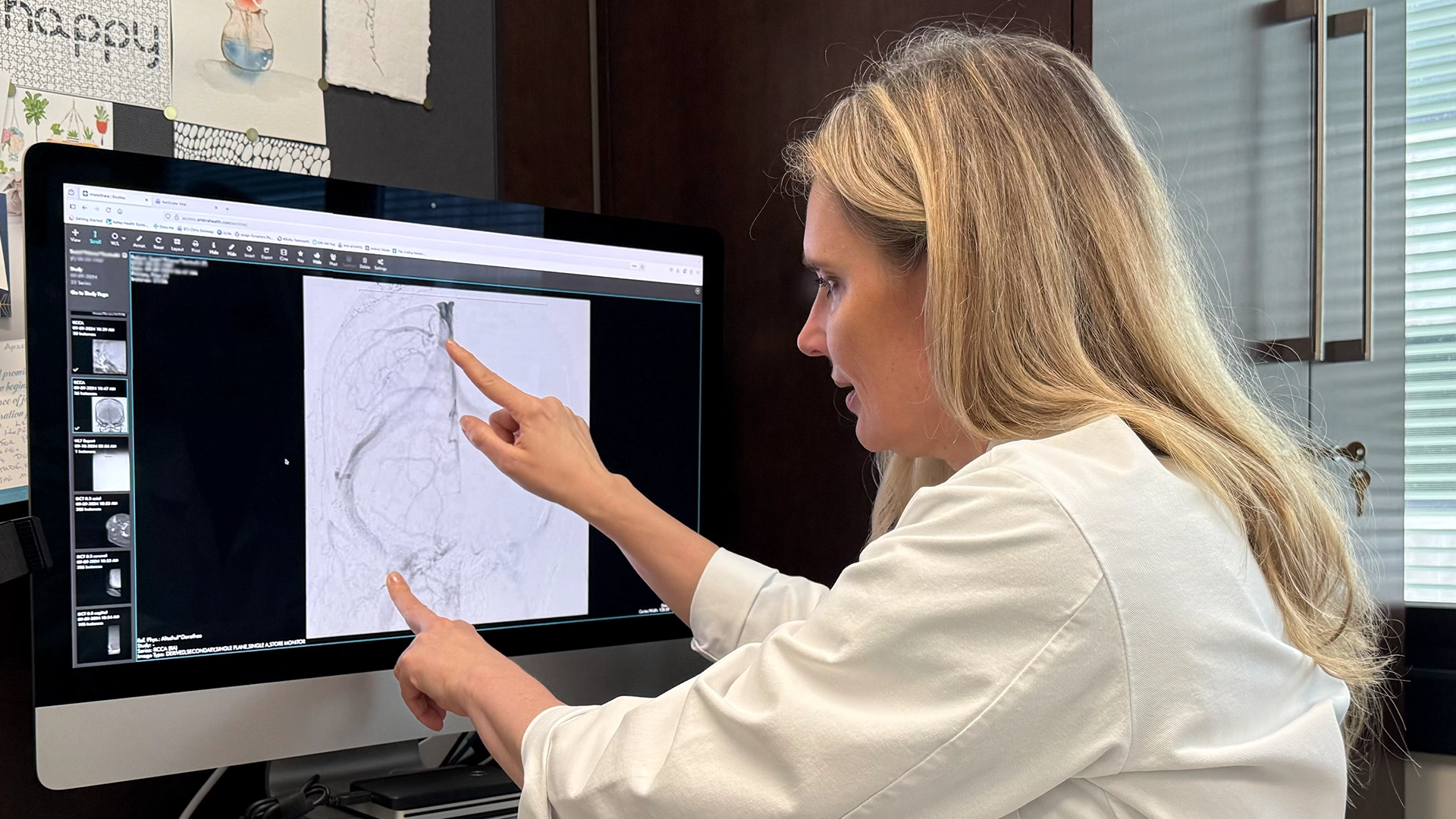
Need more information? Contact us at 973-486-4056 to schedule a consultation with one of our pulsatile tinnitus specialists.
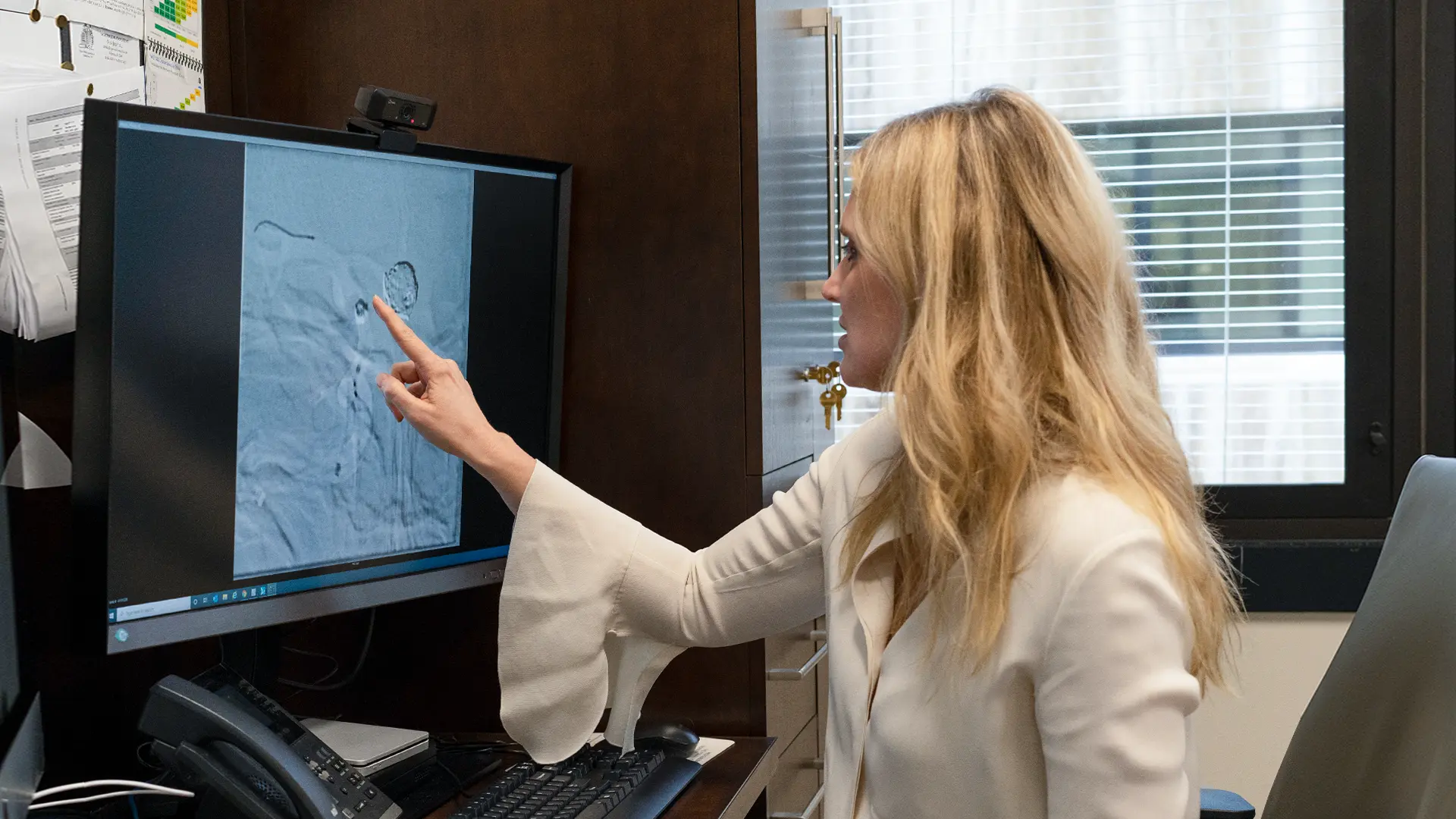
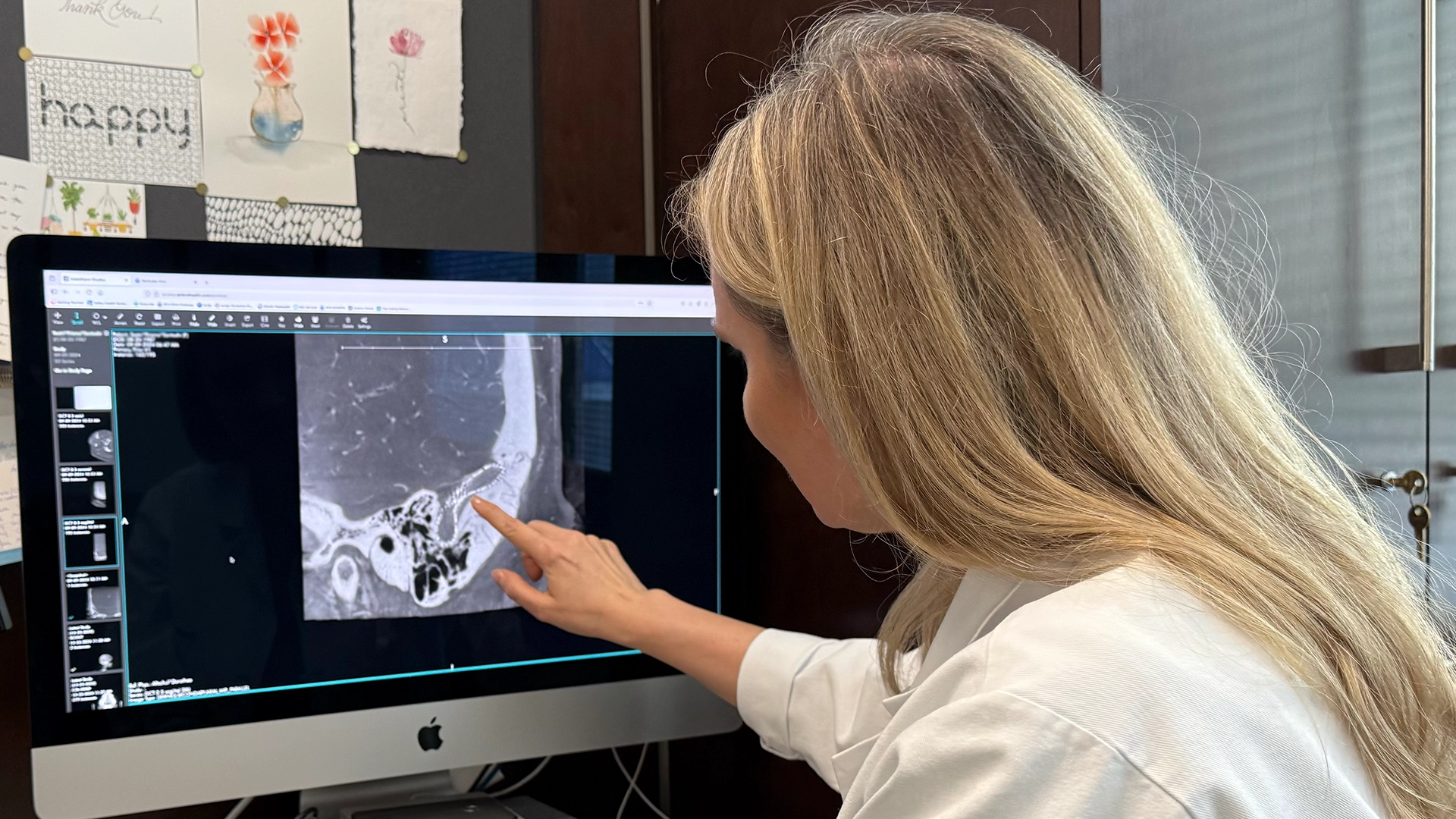
The most common cause of pulsatile tinnitus is turbulent blood flow in nearby blood vessels, particularly those in the head and neck. Conditions affecting blood vessel structure, pressure changes in the brain, or narrowing of key veins and arteries can all contribute to the rhythmic whooshing sound. With specialized imaging, the underlying cause is often identifiable.
While pulsatile tinnitus isn’t typically dangerous, it can sometimes indicate an underlying issue that requires medical attention. Conditions such as high blood pressure, atherosclerosis, or issues in blood vessels around the ear might lead to pulsatile tinnitus. Consulting with a healthcare provider can help identify potential causes and determine if further evaluation, like imaging tests or a hearing test, is needed.
Pulsatile tinnitus can often be treated once the underlying vascular cause is identified and addressed. Whether through advanced imaging, medication, or minimally invasive treatment, relief is possible. We focus on finding the root cause so we can determine the most effective path to treatment.
Yes. Telehealth consultations are available to review symptoms and imaging before in-person visits.
Pulsatile tinnitus is rare and requires specialized training to diagnose, which is why it oftentimes goes misdiagnosed.