
What Is Pulsatile Tinnitus—and Will It Go Away?
If you’ve ever said to yourself, “I can hear my heartbeat in my ear,” you might be experiencing a condition called pulsatile tinnitus. This rare form of tinnitus is different from the constant ringing many associate with tinnitus symptoms. Instead, it causes a rhythmic pulsing or whooshing sound that often matches the beating of your heart.
But the big question is: Does pulsatile tinnitus go away?
The answer depends on what’s causing it. In some cases, it can fade on its own or with treatment. In others, it may persist unless the underlying issue is identified and addressed.
Why Can I Hear My Heartbeat in My Ear?
Pulsatile tinnitus happens when there is turbulent blood flow near the structures of the ear. You may hear this as a whooshing sound, a rhythmic beat, or even a low-pitched thumping. It’s often heard in one ear, although both ears can be affected.
This pulsing sound usually originates from nearby blood vessels, such as the arteries and veins in your head and neck. Causes can include:
- High blood pressure
- Narrowing or abnormal connections in blood vessels
- Vascular tumors
- Increased awareness of internal sounds due to hearing loss
- Changes in blood flow from anemia, exercise, or thyroid issues

Is It Normal to Hear Your Heartbeat?
It’s not uncommon to notice your heartbeat after intense exercise, during moments of stress, or when lying on one side. But persistent pulsing in the ear, especially if you hear it clearly while at rest or only on one side, isn’t considered normal and should be evaluated by a healthcare professional.
Can Pulsatile Tinnitus Go Away On Its Own?
In some cases, yes—pulsatile tinnitus can go away on its own, especially if it’s tied to temporary factors like stress, dehydration, head cold, air travel or elevated blood pressure. Once those factors normalize, the sound may disappear.
However, if the pulsing sound continues for days or weeks, or if it worsens, it may be a sign of an underlying vascular condition or hearing issue. That’s when professional evaluation becomes important.
How to Get Rid of Pulsatile Tinnitus
If you’re wondering how to get rid of pulsatile tinnitus, the key is to first understand the cause. Your doctor may begin with a thorough history and physical exam, followed by testing such as:
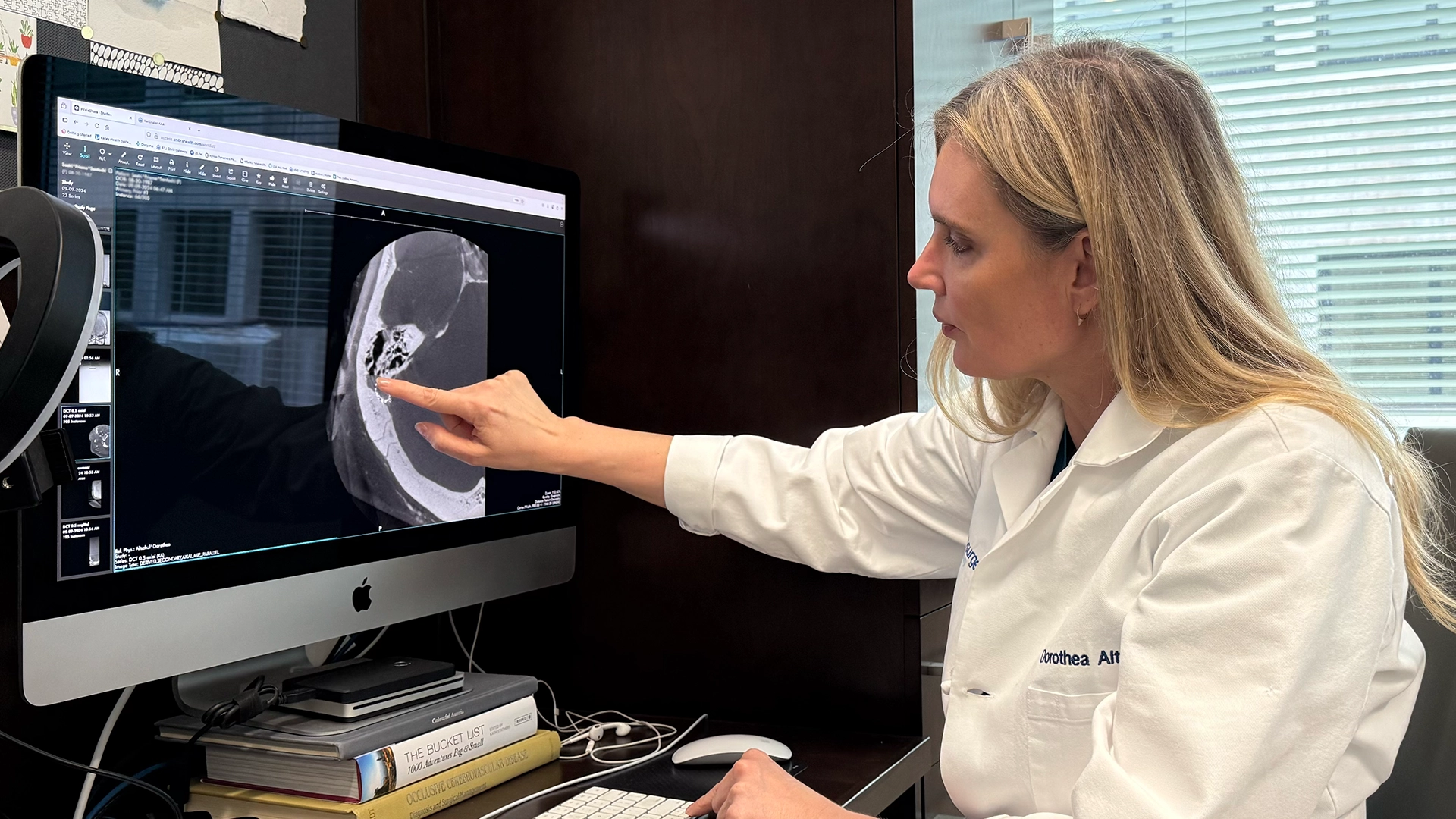
- Imaging tests like MRI, MRA, or CT to examine blood vessels
- Blood tests to evaluate cholesterol, thyroid levels, and other indicators
- A hearing test to assess any related hearing loss
Once a cause is found, your treatment plan may include one or more of the following:
1. Addressing Vascular Causes
If imaging reveals abnormal blood flow, narrowed arteries and veins, or a vascular malformation, a specialist may recommend observation, medication, or neurointerventional procedures to correct the issue.
2. Managing High Blood Pressure
High blood pressure increases turbulence in blood vessels and can worsen pulsing symptoms. Medications, dietary changes, and stress reduction often help.
3. Using Sound Therapy or Sound Generators
If no structural cause is found, sound generators or white noise machines can help mask the pulsing and reduce its impact on daily life.
4. Hearing Aids
When hearing loss is present, hearing aids can amplify external sound and reduce internal awareness of the heartbeat in your ear.
5. Lifestyle Adjustments
You may be advised to:
- Reduce caffeine and salt
- Sleep with your head elevated
- Quit smoking
- Avoid loud environments
These small changes can improve circulation and help reduce sound in your ear caused by blood flow.
The Tri-State's leaders
in Cerebrovascular treatments.
How to Stop Pulsing in Ear: Home Care Tips
Although professional treatment is often necessary, here are a few things you can try at home to manage your symptoms:
- Practice stress-reducing techniques like meditation or breathing exercises
- Hydrate regularly
- Avoid exposure to loud sounds, which can worsen tinnitus symptoms
- Use ambient noise at bedtime to distract from pulsating eardrum sensations
Heartbeat in Eardrum: When to Worry
While hearing your heartbeat in your ear isn’t always dangerous, certain signs may point to a more serious issue. You should seek medical attention if:
- The pulsing is persistent and only in one ear
- You notice hearing loss
- You experience dizziness, visual changes, or headaches
- There is a change in the intensity or frequency of the pulsing
- You have a history of cardiovascular issues or vascular disease
So—Does Pulsatile Tinnitus Go Away?
While hearing your heartbeat in your ear isn’t always dangerous, certain signs may point to a more serious issue. You should seek medical attention if:
- The pulsing is persistent and only in one ear
- You notice hearing loss
- You experience dizziness, visual changes, or headaches
- There is a change in the intensity or frequency of the pulsing
- You have a history of cardiovascular issues or vascular disease
See a Specialist for Pulsatile Tinnitus
Don’t ignore the sound in your ear. Whether it’s a heartbeat in your eardrum or a persistent pulsing, a proper diagnosis is the first step to peace and quiet.
If you’re dealing with pulsing in your ear or wondering how to stop hearing your heartbeat, you don’t have to navigate it alone. At Neurosurgeons of New Jersey, we are highly experienced in identifying and treating vascular causes of tinnitus. With advanced imaging tools and a patient centric approach, we can help you find answers—and relief.

About Dr. Dorothea Altschul
Dr. Dorothea Altschul is an accomplished neurointerventionalist in North Jersey and is the Clinical Director of Endovascular Services at Neurosurgeons of New Jersey, practicing out of their Ridgewood office located on East Ridgewood Avenue.