

What is Pulsatile Tinnitus?
If you can hear your heartbeat in your ear, you may be experiencing pulsatile tinnitus, a unique form of tinnitus. Unlike the constant ringing or buzzing most people associate with tinnitus, pulsatile tinnitus creates a rhythmic, pulsing, or whooshing sound that is often in sync with your heartbeat.
This pulsing sound can be soft or loud, intermittent or constant. It might be heard in both ears, but it’s often more noticeable in just one. In fact, pulsatile tinnitus in one ear only is common—and may offer clues to its underlying cause.
So, what is the most common cause of pulsatile tinnitus? Let’s explore.
What Is the Most Common Cause of Pulsatile Tinnitus?
The most common cause of pulsatile tinnitus is turbulent blood flow in nearby blood vessels—particularly those located in the head and neck. As blood flows through arteries and veins near the ear, especially the jugular vein and carotid artery, irregularities in flow or structure can create an audible sound that the brain interprets as pulsing or throbbing.
This turbulence can be due to:
- High blood pressure
- Narrowed arteries
- Twisting or kinking blood vessels
- Vascular malformations, such as arteriovenous malformations (AVMs)
These changes in flow can amplify the sound of blood moving past the inner ear structures, making it possible to hear your pulse beating in your ears.

Pulsatile Tinnitus Causes: Beyond Vascular Flow
- Idiopathic Intracranial Hypertension (IIH)
This condition, sometimes called pseudotumor cerebri, involves elevated pressure inside the skull without a clear cause. It’s especially common in young women and can cause headaches, vision changes, and pulsatile tinnitus symptoms due to pressure on the auditory nerves or nearby blood vessels.
- Venous Sinus Stenosis
A narrowing in the venous drainage system of the brain can alter blood flow and create a pulsing sound.
- Tumors in the Head and Neck
Though rare, certain tumors (such as glomus tumors) can develop near the ear canal or middle ear and press against nearby blood vessels, resulting in pulsatile tinnitus.
- Conductive Hearing Loss
Conditions like fluid buildup, ear infections, or ear bone disorders can reduce ambient sounds and make internal body sounds, like your heartbeat in your ear, more noticeable
Pulsatile Tinnitus Symptoms: What Should You Look For?
- A rhythmic sound in the ear that matches your heartbeat
- Throbbing or whooshing noise
- Sound heard in one ear only
- Pulsing that’s louder at night or when lying down
- Hearing loss or muffled sounds
- Headaches, dizziness, or visual changes (especially in IIH)
You may also notice that you hear sound more intensely in quiet environments—or that using white noise helps mask the sensation.
How Is Pulsatile Tinnitus Diagnosed?
Diagnosing pulsatile tinnitus often begins with a thorough medical history and physical exam, followed by specialized testing:
- Hearing test to check for hearing loss
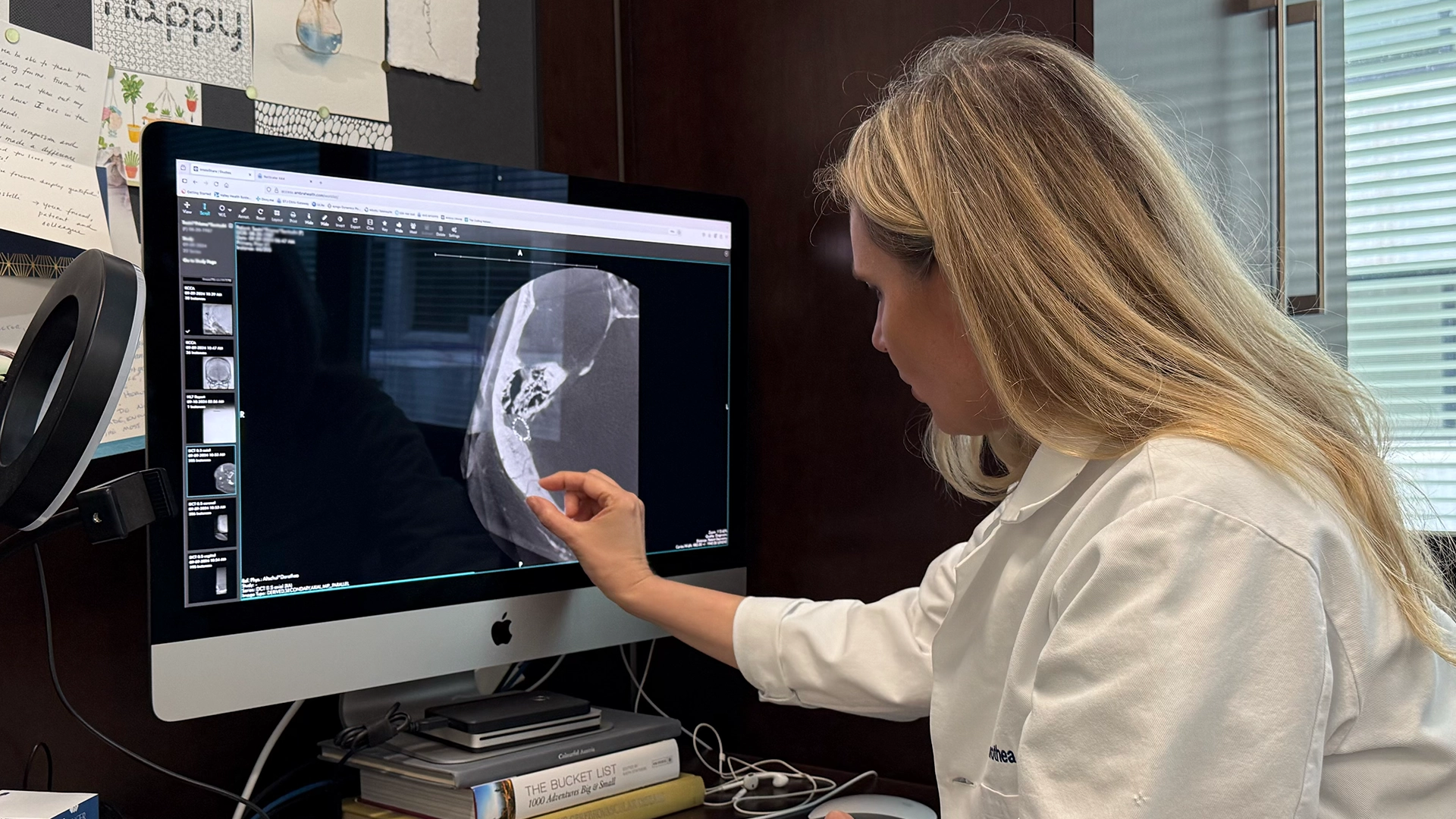
- CT scan, MRI, or MRA to examine the blood vessels, jugular vein, and carotid artery
- Venography to look for venous narrowing
- Blood pressure check and metabolic panel to rule out systemic issues
- Neurological exam to assess for IIH or other intracranial conditions
In many cases, imaging reveals structural or vascular abnormalities that explain the sound in your ears.
Is It Dangerous to Hear Your Pulse in Your Ears?
Hearing your pulse beating in your ears can be unsettling, but it’s not always a sign of danger. Still, it’s important not to ignore it. Some vascular causes—like arteriovenous malformations or venous sinus stenosis—may require medical or surgical treatment to prevent long-term complications.
Other causes, such as high blood pressure or idiopathic intracranial hypertension, can be managed with medication, lifestyle changes, or minimally invasive procedures.
In rare cases, the cause of pulsatile tinnitus may be unknown. This is referred to as idiopathic pulsatile tinnitus. Even when a cause isn’t found, symptoms can often be managed effectively.
Treatment Options for Pulsatile Tinnitus
Once the cause is identified, treatment focuses on addressing the root of the problem. Common approaches include:
- Managing Blood Pressure
If hypertension is contributing to turbulent blood flow, medications and lifestyle adjustments can ease symptoms.
- Intervention for Vascular Abnormalities
Procedures like venous stenting or embolization may be used to correct flow abnormalities or narrowings in veins and arteries.
- Sound Therapy
Sound therapy, often using white noise machines or masking devices, can help the brain tune out the pulsing sensation.
- Treating Intracranial Pressure
For patients with idiopathic intracranial hypertension, weight loss, diuretics, or shunting procedures may help normalize pressure and reduce pulsatile tinnitus symptoms.
- Hearing Aids
When hearing loss is present, hearing aids can improve ambient sound levels and reduce awareness of internal pulsing.
The Tri-State's leaders
in Cerebrovascular treatments.
Final Thoughts: Don’t Ignore Pulsatile Tinnitus
If you hear your heartbeat in your ear or feel like your ear is in sync with your heart’s beating, it’s not something to brush off. While the most common cause of pulsatile tinnitus is usually a vascular issue, only a full medical evaluation can determine what’s going on.
At Neurosurgeons of New Jersey, we bring specialized expertise in diagnosing and treating vascular causes of tinnitus—including hard-to-detect conditions that impact the blood vessels of the head and neck. Whether through advanced imaging or minimally invasive treatment, relief is possible.
If you’ve been asking, “What is the most common cause of pulsatile tinnitus?” the answer is more than just curiosity—it’s the key to getting your peace and quiet back.

About Dr. Dorothea Altschul
Dr. Dorothea Altschul is an accomplished neurointerventionalist in North Jersey and is the Clinical Director of Endovascular Services at Neurosurgeons of New Jersey, practicing out of their Ridgewood office located on East Ridgewood Avenue.