
Your Complete Recovery Guide After Anterior Cervical Discectomy and Fusion
Recovering from anterior cervical discectomy and fusion (ACDF) surgery involves a carefully structured rehabilitation program designed to restore your neck strength, mobility, and function. ACDF physical therapy plays a crucial role in helping you return to daily activities while protecting your healing spine.
Understanding what to expect during post ACDF physical therapy can help you prepare for a successful recovery journey and achieve the best possible outcomes from your surgery.
Understanding ACDF Recovery
ACDF surgery removes damaged disc material from your cervical spine and fuses adjacent vertebrae to eliminate painful motion. While this procedure can provide significant pain relief, your neck muscles and surrounding tissues need time to heal and regain strength.
Anterior cervical discectomy and fusion rehabilitation typically begins several weeks after surgery, once your surgeon confirms that initial healing is progressing well. The rehabilitation process focuses on gradually restoring neck mobility while respecting the healing fusion site.
Your recovery timeline depends on several factors:
- Number of levels fused during surgery
- Your overall health and fitness level before surgery
- How well you follow post-operative restrictions
- Your commitment to the rehabilitation program
When Does Physical Therapy Begin?
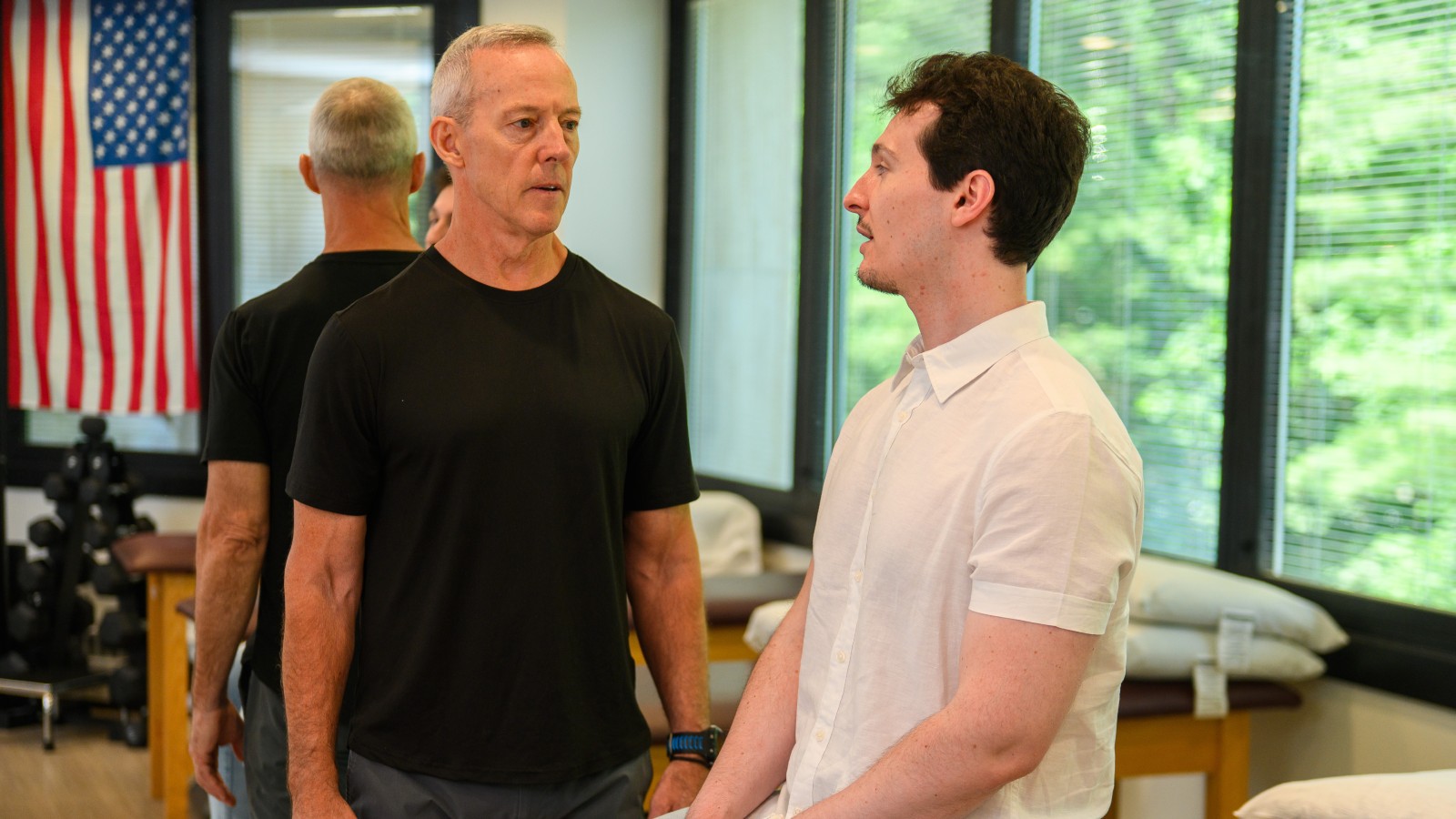
Most patients begin ACDF physical therapy approximately 4-6 weeks after surgery, though your surgeon will determine the exact timing based on your individual healing progress. Some patients may start with gentle range-of-motion exercises earlier, while others may need additional time before beginning formal therapy.
Initial Assessment Phase
Your physical therapist will conduct a comprehensive evaluation that includes:
- Assessment of neck range of motion
- Evaluation of muscle strength and endurance
- Analysis of posture and movement patterns
- Review of any ongoing pain or symptoms
- Discussion of your functional goals and activity levels
This assessment helps create a personalized ACDF rehab program tailored to your specific needs and recovery goals.
ACDF Physical Therapy Phases
Phase 1: Early Recovery (Weeks 4-8)
During the initial phase of post ACDF physical therapy, the focus is on gentle mobility and basic strengthening:
Goals:
- Reduce muscle tension and stiffness
- Restore active basic neck range of motion
- Begin gentle strengthening exercises
- Improve posture awareness
Common interventions:
- Gentle active range-of-motion exercises
- Soft tissue mobilization
- Basic strengthening exercises for neck and shoulder muscles
- Posture education and ergonomic training
Phase 2: Progressive Strengthening (Weeks 8-16)
As healing progresses, ACDF physical therapy becomes more intensive:
Goals:
- Improve scapula mobility and stability and shoulder strength
- Improve functional movement patterns
- Enhance endurance for daily activities
- Address any remaining mobility restrictions
Advanced exercises may include:
- Resistance training for scapula, shoulder, and upper back muscles
- Functional movement training
- Balance and coordination exercises
- Work-specific or sport-specific training as appropriate
Phase 3: Return to Full Activity (Months 4-6)
The final phase of anterior cervical discectomy and fusion rehabilitation prepares you for unrestricted activity:
Goals:
- Achieve full functional capacity
- Return to work and recreational activities
- Establish long-term exercise habits
- Prevent future injury
It's time to get back
to doing what you love.
Essential ACDF Precautions in Physical Therapy
Following ACDF precautions, physical therapy guidelines are crucial for protecting your healing spine and ensuring successful fusion. Your therapist will closely monitor these restrictions throughout your recovery.
Movement Restrictions
Avoid these movements during early recovery:
- Excessive neck extension (looking up)
- Rapid or jerky head movements
- Heavy lifting (typically over 5-10 pounds initially)
- High-impact activities or contact sports
Gradual Progression
Your physical therapist will carefully progress your exercises based on:
- Your surgeon’s specific protocols
- X-ray results showing fusion progress
- Your symptoms and functional improvements
- Individual healing rates
Communication with Your Surgical Team
Successful ACDF rehab requires close coordination between your physical therapist and surgeon. Your therapist will:
- Follow your surgeon’s specific protocols
- Report any concerning symptoms or setbacks
- Adjust treatment based on follow-up imaging results
- Ensure you’re progressing safely toward your goals
Post-ACDF Physical Therapy Exercises
Early Phase Exercises
Gentle ACTIVE Range of Motion:
- Slow neck rotations within comfortable limits
- Side-to-side head movements
- Gentle chin tucks to improve posture
Basic Strengthening:
- Isometric neck exercises (holding positions without movement)
- Shoulder blade squeezes
- Light resistance exercises for upper back muscles
Progressive Exercises
As you advance in post ACDF physical therapy, exercises become more challenging:
Strengthening progressions:
- Resistance band exercises for neck and shoulders
- Core strengthening to support spinal alignment
- Functional movement patterns for daily activities
Mobility enhancements:
- Advanced stretching techniques
- Manual therapy to address tissue restrictions
- Movement pattern retraining
Home Exercise Program
Your therapist will provide a customized home exercise program to supplement clinic sessions. Consistency with home exercises significantly impacts your recovery success and long-term outcomes.
Timeline for ACDF Rehab
Weeks 1-4: Initial Healing
- Focus on rest and basic activities of daily living
- Wear neck brace as prescribed
- Follow along with lifting restrictions.
Weeks 4-8: Begin Physical Therapy
- Start gentle ACDF physical therapy program
- Gradually increase neck mobility
- Begin basic strengthening exercises
Weeks 8-16: Progressive Rehabilitation
- Advance to more challenging exercises
- Improve functional capacity
- Address work-related activities
Months 4-6: Return to Full Activity
- Complete anterior cervical discectomy and fusion rehabilitation
- Return to unrestricted activities as cleared by surgeon
- Establish long-term maintenance program
Individual timelines may vary based on:
- Complexity of your surgery
- Pre-operative fitness level
- Compliance with therapy program
- Overall health status
What to Expect During Recovery
Normal Recovery Signs
During successful ACDF rehab, you should experience:
- Gradual reduction in neck pain and stiffness
- Improved range of motion over time
- Increased strength and endurance
- Better tolerance for daily activities
When to Contact Your Healthcare Team
Contact your surgeon or therapist if you experience:
- Sudden increase in neck pain
- New numbness or tingling in arms or hands
- Significant weakness in arms or hands
- Difficulty swallowing or breathing
- Signs of infection at the surgical site
Optimizing Your Recovery
Factors that support successful recovery:
- Consistent attendance at therapy sessions
- Compliance with home exercise programs
- Following activity restrictions as prescribed
- Maintaining good nutrition and hydration
- Getting adequate sleep for healing
- Avoiding smoking, which can impair fusion
Long-Term Outcomes and Maintenance
Most patients who complete a comprehensive ACDF physical therapy program achieve excellent long-term outcomes. Studies show that patients who participate in structured rehabilitation programs have:
- Better functional outcomes at one year post-surgery
- Lower rates of adjacent segment problems
- Improved satisfaction with surgical results
- Reduced risk of future neck problems
Maintaining Your Results
After completing formal post ACDF physical therapy, maintaining your neck health requires:
- Regular exercise focusing on Scapula mobility and stability, shoulder and upper back strength and spinal mobility.
- Good static and dynamic posture habits, especially during computer work
- Ergonomic workplace setup
- Periodic check-ins with your healthcare team
Why Choose Neurosurgeons of New Jersey for Your ACDF Journey
Our team of board-certified specialists has extensive experience performing ACDF procedures and guiding patients through successful recovery. We work closely with skilled physical therapists throughout New Jersey to ensure you receive comprehensive, coordinated care.
Our ACDF expertise includes:
- Advanced surgical techniques for optimal outcomes
- Personalized rehabilitation protocols
- Comprehensive patient education
- Long-term follow-up care
- Same-day telehealth consultations for ongoing support
Insurance Coverage
We accept most major insurance plans and have insurance specialists on staff to help navigate coverage for both surgery and rehabilitation services.
Schedule Your ACDF Consultation
If you’re experiencing neck pain or have been told you may need ACDF surgery, don’t wait to seek expert care. Early intervention often leads to better outcomes and may help you avoid more complex procedures.
Ready to take the next step?
- Call us today: 551-284-3265
- Request a consultation through our website
Our experienced team will evaluate your condition, discuss all treatment options, and help you understand what to expect from ACDF physical therapy and recovery.