
Understanding Spinal Stenosis
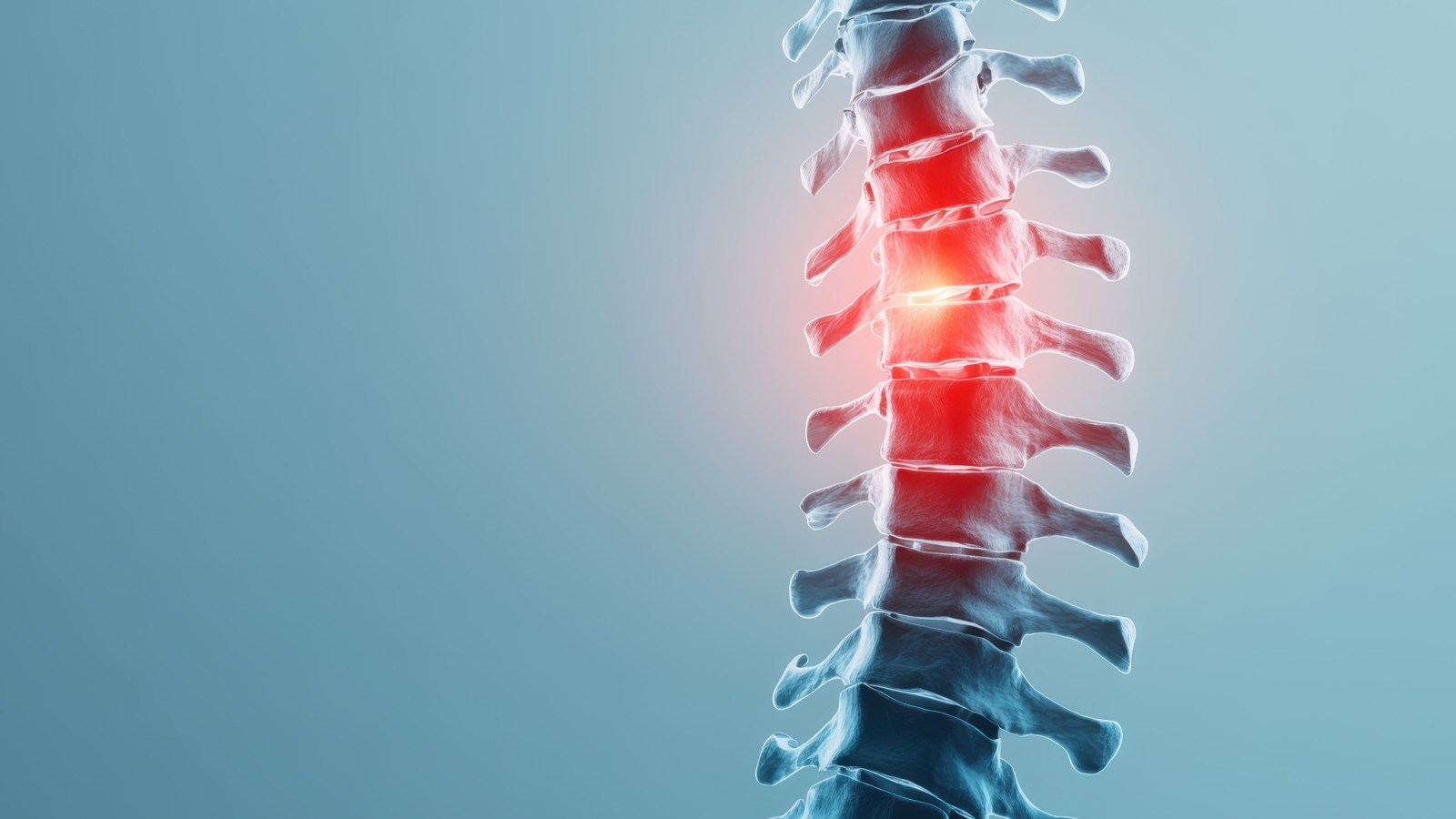
Spinal stenosis occurs when the spaces within your spine narrow, putting pressure on the nerves that travel through the spine. This condition can develop in any part of your spine, but most commonly affects the cervical (neck) and lumbar (lower back) regions.
What happens if spinal stenosis is left untreated? This is one of the most important questions you can ask, and the answer, honestly, depends on where your stenosis is located and how severe it becomes. The reality is that without proper care, the consequences can have a significant impact on your daily life and long-term well-being.
Here’s what we want you to know: early treatment often leads to much better outcomes. When spinal stenosis goes without treatment, it can gradually worsen and potentially cause permanent nerve damage. Understanding what might happen helps you make the best decisions for your health and future.
What Happens if Cervical Spinal Stenosis is Left Untreated?
When spinal stenosis affects your neck area, it can create challenges that go far beyond just neck pain.
How Your Symptoms May Progress
If cervical spinal stenosis goes untreated, you might notice:
- Worsening neck pain that begins to radiate into your shoulders and down your arms
- Growing weakness in your hands and arms that makes everyday tasks harder
- Difficulty with fine motor skills, you might struggle with things like writing, buttoning shirts, or picking up small objects
- Numbness and tingling that starts in your neck and gradually spreads down to your fingertips
- Balance issues that increase your risk of falls and make you feel less steady on your feet
When Cervical Myelopathy Develops
One of the more serious complications that can develop is cervical myelopathy. This happens when your spinal cord itself becomes compressed, and the symptoms can be quite concerning:
- Walking becomes more difficult, and you may feel unsteady
- Your coordination suffers, making daily activities challenging
- You might experience problems with bladder and bowel function
- Weakness can develop in both your arms and legs
Understanding Foraminal Stenosis
What happens if foraminal stenosis is left untreated? This type affects explicitly the openings where your nerve roots exit your spinal column. When these spaces become too narrow, you may experience:
- Persistent, severe nerve pain that doesn’t seem to improve
- Potential permanent damage to affected nerves
- Complete loss of feeling in certain areas
- Muscle wasting in your arms and hands
What Happens if Lumbar Spinal Stenosis is Left Untreated?
Lumbar stenosis, which affects your lower back, brings its own set of concerns and potential complications.
How Your Mobility May Change
As lumbar stenosis progresses without treatment, many people find that:
- Walking becomes increasingly difficult, you might develop neurogenic claudication, where your legs feel weak and painful when walking
- Your walking distance gets shorter before you need to sit down and rest
- Getting around independently becomes challenging or impossible
- Daily activities become limited by chronic, debilitating pain
- Your leg and foot muscles may weaken over time
The Broader Impact on Your Life
We’ve seen how untreated lumbar stenosis can affect our patients’ overall quality of life:
- Many find themselves withdrawing from social activities due to mobility challenges
- The chronic pain can lead to feelings of depression and anxiety
- Work and maintaining independence can become difficult or impossible
- Sleep often becomes disrupted due to ongoing discomfort
Can Spinal Stenosis Lead to Severe Disability?
This is probably one of your biggest concerns, and we understand why. Can spinal stenosis lead to severe disability? Unfortunately, in some cases, yes – it can. Will this happen to everyone with stenosis? Absolutely not. While the risk exists, especially when the condition goes untreated, many people live full, active lives with proper management.
What Influences Your Risk
Several factors play a role in determining whether your stenosis might lead to disability:
- How severe your stenosis is when first diagnosed
- Whether it’s in your neck or lower back
- Your overall health and age
- How long you go without treatment
- Whether you have other spinal conditions
Understanding Advanced-Stage Complications
We want to be clear: these severe complications typically only occur in advanced, late-stage cases where stenosis has gone untreated for extended periods. Most people who seek treatment early avoid these serious complications entirely. However, if severe stenosis goes untreated for years, it could potentially lead to:
- Partial or complete loss of movement
- Permanent loss of sensation in affected areas
- Chronic pain that significantly impacts daily life
- Problems with bladder or bowel control
- Difficulty walking or performing basic activities
It's time to get back
to doing what you love.
How Symptoms Typically Progress Over Time
Understanding how stenosis typically progresses can help you recognize when it’s time to seek care. Here’s what we commonly see:
In the Beginning (First 6 Months)
- You might notice mild pain and stiffness
- Occasional numbness or tingling that comes and goes
- Symptoms often improve when you rest
As It Progresses (6-18 Months)
- Pain becomes more frequent and intense
- You start noticing weakness in affected areas
- Every day activities begin to feel more challenging
- Sleep problems may develop due to discomfort
When It Becomes Advanced (18+ Months)
- Pain becomes constant and doesn’t improve with rest
- Weakness and loss of function become more noticeable
- Your mobility becomes significantly limited
- The risk of permanent nerve damage increases substantially
Long-Term Consequences
If stenosis goes untreated for years, you might face:
- Nerve damage that can’t be reversed
- Complete loss of function in affected areas
- The need for assistive devices to get around
- Additional health problems related to reduced mobility
When You Should Seek Help
We encourage you not to wait until your symptoms become severe. Please reach out for immediate medical attention if you experience:
Emergency Warning Signs
- Sudden loss of bladder or bowel control
- Severe weakness in your legs or arms
- Numbness in your genital area
- Sudden, severe pain that doesn’t get better with rest
Signs That Treatment Should Begin Soon
- Pain that keeps you awake at night
- Trouble walking more than a few blocks
- Weakness that affects your ability to grip things or walk steadily
- Numbness that’s getting worse or spreading to new areas
Your Treatment Options
Here’s some encouraging news: you have many options available to help manage your stenosis and prevent it from getting worse.
Non-Surgical Approaches
We often start with conservative treatments that can be very effective:
- Physical therapy to strengthen the muscles that support your spine
- Medications for spinal stenosis to help manage pain and reduce inflammation
- Epidural steroid injections for targeted pain relief
- Lifestyle modifications and ergonomic improvements to reduce strain
Minimally Invasive Surgical Options
When conservative treatments aren’t providing enough relief, we offer advanced surgical techniques:
- Endoscopic decompression procedures with smaller incisions
- Minimally invasive laminectomy to create more space for your nerves
- Foraminotomy to open up the pathways where nerves exit your spine
- Spinal fusion when needed to provide stability
Why Early Treatment Makes Such a Difference
When you address stenosis early, you can:
- Prevent permanent nerve damage from occurring
- Maintain your current level of function and independence
- Experience significant pain relief
- Keep doing the activities you love
- Improve your long-term outlook considerably
You Don’t Have to Face This Alone
What happens if stenosis is left untreated? As we’ve discussed, the consequences at their most severe can significantly impact your life. But here’s what we want you to remember: you have options, and seeking treatment early can make an enormous difference in your outcome.
At Neurosurgeons of New Jersey, our board-certified specialists understand what you’re going through. We’ve helped thousands of patients with all types of spinal stenosis, and we’re here to help you too. We believe in starting with the most conservative approaches possible and only recommending surgery when it’s truly the best option for your situation.
Why Our Patients Choose Us
- Specialized expertise in treating spinal conditions like yours
- Minimally invasive options that often mean faster recovery times
- Convenient locations throughout New Jersey and New York
- Comprehensive care from your first consultation through complete recovery
- Insurance specialists on our team to help navigate coverage questions
You deserve to get back to living the life you love..
Don’t wait for your symptoms to get worse. We’re here to help you understand your options and create a treatment plan that’s right for your unique situation.
Call Today: 551-284-3265 or Request a Consultation.
FAQs
How quickly does spinal stenosis progress?
The progression varies significantly from person to person. Some people may notice gradual worsening over months, while others may have stable symptoms for years. Factors like your age, overall health, activity level, and whether you receive treatment all influence how quickly stenosis progresses.
Can spinal stenosis be reversed without surgery?
While stenosis itself cannot be “reversed,” many symptoms can be significantly improved with conservative treatments. Physical therapy, medications, lifestyle modifications, and injections often provide substantial relief and can prevent further progression. Surgery is typically only recommended when conservative treatments aren’t providing adequate relief.
Is spinal stenosis hereditary?
There can be a genetic component to spinal stenosis. If your parents or siblings have had spinal problems, you may be at higher risk. However, lifestyle factors like maintaining good posture, staying active, and avoiding repetitive stress on your spine also play important roles in prevention.
What’s the difference between spinal stenosis and a herniated disc?
Spinal stenosis involves narrowing of the spinal canal or nerve openings, while a herniated disc occurs when the soft center of a disc pushes through its outer ring. However, you can have both conditions simultaneously, and they can cause similar symptoms like pain, numbness, and weakness.
How long is recovery after spinal stenosis surgery?
Recovery time depends on the specific procedure performed. Minimally invasive procedures often allow patients to return to light activities within a few weeks, while more extensive surgeries may require several months for full recovery. Your surgeon will provide specific timelines based on your individual case.
Can I prevent spinal stenosis from getting worse?
Yes, there are several steps you can take to slow progression: maintain a healthy weight, stay physically active with low-impact exercises, practice good posture, avoid smoking, and follow your treatment plan consistently. Early intervention and lifestyle modifications can make a significant difference.
Will I need a wheelchair if my stenosis isn’t treated?
Not everyone with untreated stenosis will require a wheelchair, but severe, long-term cases can lead to significant mobility limitations. This is why early treatment is so important, it can help preserve your current function and prevent progression to more severe disability.
Can young people get spinal stenosis?
While spinal stenosis is more common in people over 50, younger individuals can develop it due to congenital conditions, injuries, or other spinal problems. Symptoms in younger patients are often related to specific activities or positions rather than general age-related wear and tear.

About Ridgewood
Our team of board certified physicians, located in Ridgewood, New Jersey, are dedicated to bringing you the latest developments and treatment options for spinal surgery. We strive to produce the most clarified & clear content to help you make informed decisions on your medical journey. The road to feeling like your true self should not feel lonely- Let us help you. Please call us to schedule a consultation and speak to one of our team members.
Recent Posts: