
Understanding the Key Differences
When you’re dealing with neck or back pain, numbness, or weakness, understanding your condition becomes crucial for getting the right treatment. Two terms that patients often hear – spinal stenosis and spinal cord compression – can sound similar and confusing. While these conditions are related, they’re not exactly the same thing.
If you’ve been wondering, “is spinal stenosis the same as spinal cord compression?” or trying to understand the difference between spinal stenosis vs spinal cord compression, you’re not alone. Many patients struggle with these medical terms, especially when they’re already dealing with pain, discomfort, and or disability.
What Is Spinal Stenosis?
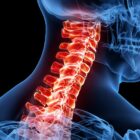
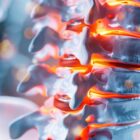
Spinal stenosis is the radiographic term used to describe narrowing of spaces within your spine. Think of your spine as a tunnel system where nerves travel. When these spaces become smaller, they can put pressure on the nerves that travel through your spine.
This narrowing can happen in different areas:
- The central canal (where the spinal cord passes)
- The neural foramina (openings where nerve roots exit the spine)
- The lateral recesses (side of the central canal)
Spinal stenosis most commonly affects the lower back (lumbar stenosis) and neck (cervical stenosis). The condition typically develops gradually over time, often due to age-related changes in the spine.
Common Causes of Spinal Stenosis
Several factors can lead to spinal stenosis:
- Age-related changes are the most common cause. As we get older, ligaments can thicken, bones may develop spurs, and discs can bulge or herniate.
- Arthritis can cause inflammation and bone growth that narrows spinal spaces.
- Herniated discs can push into the spinal canal and foramen, reducing available space.
- Spinal injuries from accidents or trauma can cause swelling or fractures that narrow the spine.
- Genetic factors may make some people more likely to develop stenosis.
What Is Spinal Cord Compression?
Spinal cord compression occurs when something presses on your spinal cord. Your spinal cord is like the main highway of your nervous system, carrying messages between your brain and the rest of your body.
When this “highway” gets compressed or squeezed, it can disrupt these vital communications. Spinal cord compression can happen suddenly (acute) or develop slowly over time (chronic).
What Causes Spinal Cord Compression?
Any condition that takes up space in the spinal canal can lead to spinal cord compression:
- Herniated discs can push against the spinal cord
- Bone spurs from arthritis may grow into the spinal canal
- Tumors can press on the cord from inside or outside
- Infections may cause swelling that compresses the cord
- Spinal fractures can create bone fragments that press on the spinal cord
- Hematomas (blood clots) can form and create pressure
Spinal Stenosis vs Spinal Cord Compression: Key Differences
While spinal stenosis and spinal cord compression can be related, understanding their differences helps clarify your condition:
The Relationship Between Conditions
Spinal stenosis is often the underlying cause, while spinal cord compression is what happens as a result. Think of it this way: spinal stenosis refers to the narrowed space, and spinal cord compression is what occurs when that narrowed space actually squeezes the spinal cord.
Location Matters
Spinal stenosis can occur anywhere along the spine and may or may not affect the spinal cord directly. For example, stenosis in the lower back will not compress the spinal cord since the spinal cord ends above the lower back. Instead, stenosis of the lower back compresses nerve roots rather than the spinal cord itself.
Spinal cord compression specifically involves pressure on the spinal cord, which typically happens in the neck (cervical spine) or upper back (thoracic spine), since the spinal cord ends around the first lumbar vertebra.
Symptom Patterns
Spinal stenosis symptoms often include:
- Pain that improves when sitting or leaning forward
- Arm or leg pain or weakness. When in the lower back, often worsens with walking (neurogenic claudication)
- Numbness or tingling in arms or legs
- Gradual onset of symptoms
Spinal cord compression symptoms may include:
- Weakness in arms and legs
- Loss of coordination
- Difficulty with fine motor skills
- Unsteadiness when walking
- Bowel or bladder problems
- Symptoms that can worsen quickly
It's time to get back
to doing what you love.
When Spinal Stenosis and Spinal Cord Compression Occur Together
In many cases, patients experience both conditions simultaneously. Spinal stenosis with cord compression happens when the narrowed spinal canal puts direct pressure on the spinal cord. This combination often occurs in the cervical spine (neck area) and is referred to as cervical stenosis with myelopathy.
This situation requires prompt medical attention because spinal cord compression can lead to permanent neurological damage if left untreated.
Diagnosis and Treatment Approaches
Getting an Accurate Diagnosis
Your doctor will likely use several methods to diagnose your condition:
- Physical examination helps assess your strength, reflexes, and sensation
- MRI scans provide detailed images of your spine, spinal cord, and nerves. MRI’s can show both stenosis and cord compression
- CT scans may be used to see bone structures clearly
- Electromyography (EMG) can test nerve function
Treatment Options
Treatment approaches depend on the severity of your condition and symptoms:
Conservative treatments often include:
- Physical therapy to strengthen supporting muscles
- Anti-inflammatory medications
- Steroid injections for pain relief
- Activity modification
Surgical options may be necessary when:
- Conservative treatments don’t provide relief
- Neurological symptoms worsen
- Spinal cord compression causes significant problems
Common surgical procedures include decompressive laminectomy and/or foraminotromy, anterior cervical discectomy and fusion for neck issues, and spinal decompression with fusion, depending on your specific condition.
Living with Spinal Stenosis and Cord Compression
Managing these conditions often involves lifestyle adjustments and ongoing care. Many patients find relief through:
- Regular, gentle exercise approved by their doctor
- Maintaining good posture
- Using assistive devices when needed
- Following prescribed treatment plans
- Staying connected with their healthcare team
When to Seek Immediate Medical Attention
While spinal stenosis often develops gradually, certain symptoms require urgent medical care:
- Sudden weakness in arms or legs
- Loss of bladder or bowel control
- Rapid worsening of neurological symptoms
These signs could indicate serious spinal cord compression that needs immediate treatment.
Call 551-284-3265 today to schedule your consultation and take the first step toward relief.
FAQs
Can spinal stenosis exist without causing spinal cord compression?
Yes, spinal stenosis can occur without directly compressing the spinal cord. In the lower back, stenosis only affects nerve roots rather than the spinal cord. The spinal cord typically ends around the first lumbar vertebra, so lumbar stenosis only involves compression of nerve roots in the cauda equina rather than the actual spinal cord. In the neck, the presence of spinal stenosis does not automatically mean the spinal cord is compressed. If the stenosis is not severe, the spinal cord may have adequate space.
How quickly does spinal cord compression need to be treated?
The urgency depends on the severity and cause. Acute spinal cord compression from trauma or sudden disc herniation requires emergency treatment within hours. Chronic compression that develops gradually may be managed with conservative treatment initially, but any rapid worsening of symptoms warrants immediate medical evaluation to prevent permanent neurological damage.
What’s the difference between cervical stenosis and lumbar stenosis in terms of cord compression risk?
Cervical stenosis poses a higher risk for spinal cord compression because the spinal cord passes through the cervical spine. Lumbar stenosis only compresses nerve roots rather than the spinal cord since the cord ends around L1-L2. However, both conditions can cause significant symptoms and require proper medical management.
Are there specific exercises that can help with both conditions?
Physical therapy exercises can help manage symptoms, but they must be tailored to your specific condition and approved by your healthcare provider. Flexion-based exercises (bending forward) often help with stenosis symptoms, while strengthening exercises for core and postural muscles can provide spine support. Never start an exercise program without medical clearance, especially
Can these conditions be prevented, or are they inevitable with aging?
While age-related changes contribute to these conditions, certain factors can influence their development. Maintaining good posture, staying physically active, avoiding smoking, and managing conditions like arthritis may help reduce risk. However, genetic factors and normal wear and tear make some degree of spinal changes common as we age. Early intervention and proper spine care can help manage symptoms effectively.

About Ridgewood
Our team of board certified physicians, located in Ridgewood, New Jersey, are dedicated to bringing you the latest developments and treatment options for spinal surgery. We strive to produce the most clarified & clear content to help you make informed decisions on your medical journey. The road to feeling like your true self should not feel lonely- Let us help you. Please call us to schedule a consultation and speak to one of our team members.