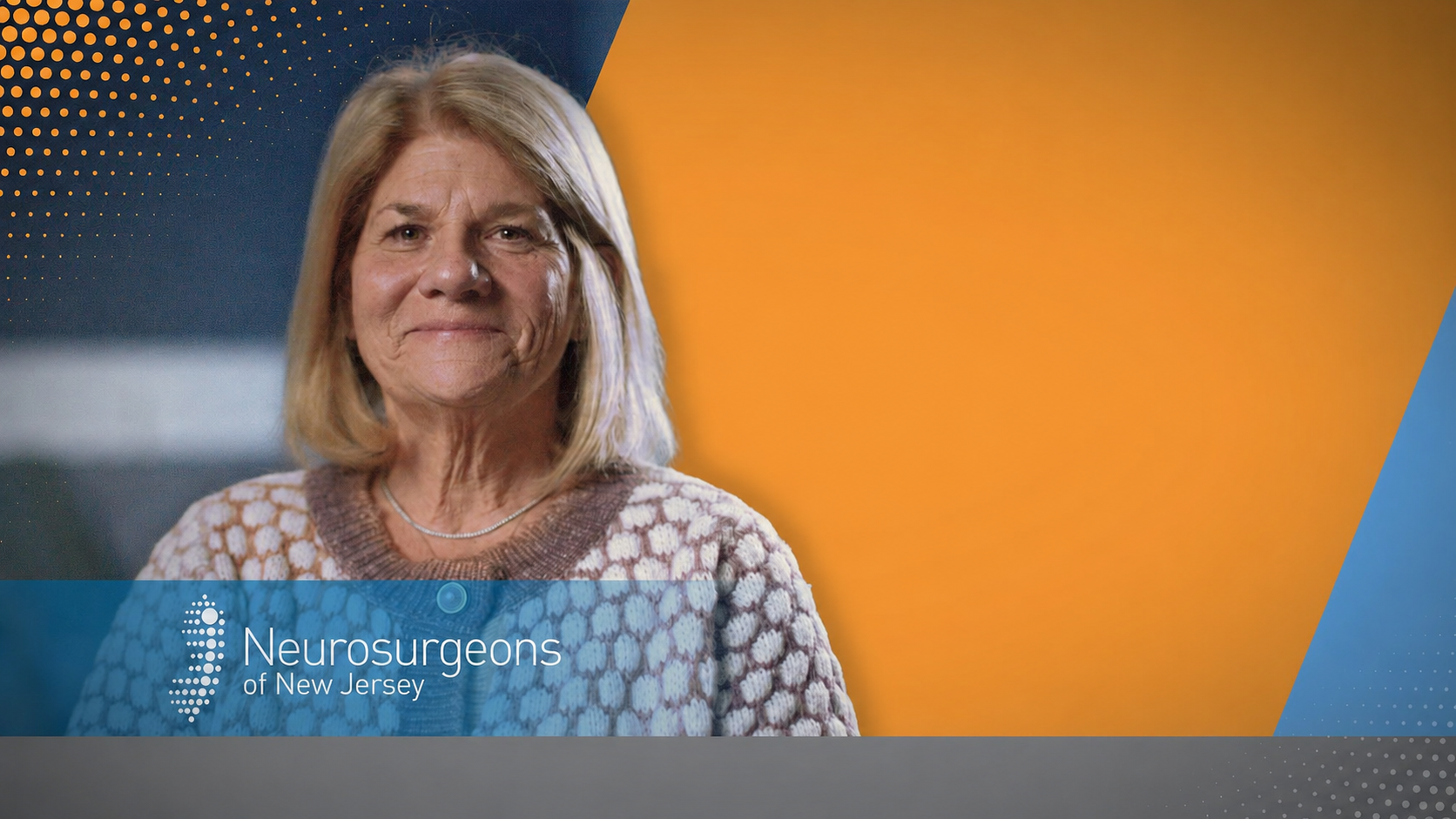

Ilisa Diamond has spent her life caring for other people.
As a nurse, wife, and mother, she was used to putting herself last. So when she began experiencing pain that traveled from her upper arm to her fingertips, her first instinct was not to worry. She assumed she would push through it, just as she had pushed through countless other challenges throughout her life.
“Eight years in, I started having some issues,” Ilisa says. “But as a nurse and a mom, you always put yourself last.”
At first, the symptoms seemed manageable. But over time, the pain became more intense, and she began losing dexterity in her hand. For someone whose career depended on precision and confidence, that was frightening. Tasks that once felt easy became difficult. That’s when Ilisa realized something more serious was wrong.
“As a nurse, it was very challenging,” she says. “I was really starting to lose some dexterity, which is very important in my role.”
What Ilisa didn’t realize at the time was that the problem wasn’t in her arm at all.
“I never once thought there was something going on higher up that could really be life-threatening.”
Ilisa’s symptoms were caused by problems in her spine, not her arm. As her condition worsened, surgery became the best option to protect her nerves and help relieve her pain. Dr. Estin recommended spinal fusion after carefully reviewing her symptoms, imaging, and treatment options.
When Neck Pain Led to Spinal Fusion Surgery
As her symptoms got worse, Ilisa and her husband were preparing for a special trip. It would be their first vacation together in more than ten years.When she met with Dr. Estin, his recommendation was clear.
“He said, ‘You need surgery,'” Ilisa recalls.
But Ilisa wasn’t ready to give up the trip.
“I said, ‘I want to go on this vacation.'”
Dr. Estin knew how important the trip was to Ilisa. He also wanted her to understand how serious her condition had become. He advised against traveling, while respecting that the decision was ultimately hers to make.
“He said, ‘I’m telling you that you shouldn’t. But I understand where you’re coming from. You need to be really careful.'”
Ilisa took the trip and underwent surgery the day she returned home. It was the first of several spine surgeries she would eventually need, but at the time, she hoped it would be the last.
Living With Chronic Neck and Back Pain
Following two neck surgeries, Ilisa returned to work and resumed many of the responsibilities she loved. For years, she continued moving forward, adapting to her limitations and trying not to let pain define her life.
Then her lower back began to hurt.
At first, it was something she could manage. She adjusted her routine, avoided activities that aggravated her symptoms, and convinced herself it wasn’t serious. But chronic pain has a way of quietly taking over.
“You’re able to still get along with life and you’re able to manage,” Ilisa says. “But chronic pain affects you, and you don’t realize it. It affects your sleeping, it affects your mood, it affects your relationships. It affects everything.”
Over the next three years, her symptoms steadily worsened. Standing for long periods became difficult. Everyday errands became exhausting.
Eventually, Ilisa left the floor nursing job she loved. Standing for 12 to 14 hours was no longer possible. She accepted a leadership role instead.
Even then, she kept pushing.
“I kept making excuses until I couldn’t even fold laundry anymore,” she says. “I couldn’t go to the supermarket and make it through the store.”
That was when she knew she couldn’t ignore the problem any longer.
It's time to get back
to doing what you love.
Diagnosing Multiple Spine Conditions
An MRI revealed that Ilisa wasn’t dealing with a single issue. She had problems affecting both her thoracic spine, located in the middle of the back, and her lumbar spine.
“There were two issues,” she says.
Because the thoracic procedure required a specialized lateral approach, her physician recommended she meet with Dr. Estin. As a nurse, Ilisa understood just how uncommon and delicate thoracic spine surgery could be.
“I never even knew anybody who had thoracic surgery,” she says. “It’s a very delicate region, and it poses a lot of risks, including paralysis.”
At the same time, Ilisa was preparing for another important milestone in her life. She was about to become a grandmother.
“That was my fear,” she says. “That I wasn’t going to be able to take care of my grandchild. Or take care of myself.”
The possibility of losing her independence frightened her more than surgery itself.
Creating the Right Spinal Fusion Treatment Plan
When Ilisa met Dr. Estin, she appreciated that he didn’t rush her into treatment. Instead, he carefully explained a plan that prioritized both safety and long-term recovery.
Just as importantly, he wanted to make sure surgery was truly the right choice.
“He wanted to make sure we tried every other treatment first. He knew recovery from back surgery isn’t easy.”
Many of Ilisa’s friends and family encouraged her to seek treatment at large academic centers in New York City.
“Everybody told me I needed to go to the city,” she says.
But after meeting Dr. Estin, she felt confident she was exactly where she needed to be.
Returning to Work After Spinal Fusion Surgery
Four weeks after her final back surgery, Ilisa was offered a new career opportunity. The employer believed in her enough to wait until Dr. Estin cleared her to return to work.
Today, she’s thriving professionally and enjoying the moments she once feared she might lose forever.
“My granddaughter lives in California,” Ilisa says. “I can sit on an airplane and go visit her. I can pick her up. I can go on the swings with her.”
Those are the moments that matter most.
For Ilisa, the surgeries were never just about relieving pain. They helped her stay active. She could care for her family, keep working, and enjoy life again.
And if she ever needs care again, she knows exactly where she’ll go.
“If anything should ever happen again,” she says, “I have no doubt that I’d come back.”
Then she smiles. “He gave me my life back.”
Could Spinal Fusion Surgery Help You?
Chronic pain doesn’t just affect your spine. It can change how you work, how you care for others, and how you spend time with the people you love.
At Neurosurgeons of New Jersey, our team understands that every patient’s goals are different. Do you have chronic neck pain, back pain, numbness, or weakness? Our spine specialists can help.
We’ll find the cause of your symptoms. Then we’ll explain your treatment options. That may include spinal fusion surgery or another treatment.
Schedule a consultation with Dr. Estin. Learn what’s causing your symptoms and explore your treatment options.
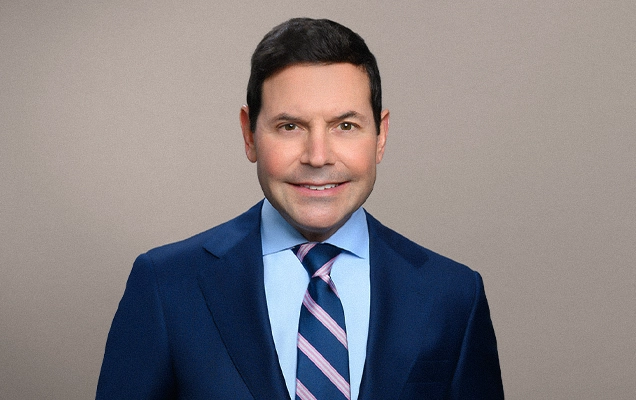
About Dr. David Estin
Dr. David Estin is an accomplished neurosurgeon in Central Jersey and is a proud member of Neurosurgeons of New Jersey, practicing out of their Eatontown office conveniently located on 745 Hope Road. Dr. Estin specializes in the treatment of brain tumors and spinal disorders. He has particular expertise in the use of endoscopic techniques to remove pituitary tumors at the base of the brain through the nose. He also has special expertise in robotic spine surgery and artificial disc replacement in the neck. He has vast expertise in Gamma Knife, CyberKnife, and minimally-invasive spine surgeries. With over 20 years of experience, Dr. Estin is recognized as one of the top surgeons in Monmouth County. He's accepting new patients.