
Living with chronic neck pain? It can feel overwhelming. Simple tasks like driving a car, working at a computer, or even sleeping become difficult when neck pain takes over your life. If physical therapy, medications, or other treatments haven’t given you lasting relief, surgery may be your next course of action.
Artificial disc replacement surgery gives hope to many patients dealing with cervical spine issues. Unlike traditional spinal fusion, which eliminates movements between vertebrae, disc replacement maintains your natural neck motion while offering pain relief.
This guide explores what you need to know about disc replacement surgery, including how the procedure works and what recovery looks like, as well as whether you might be a good candidate. Our ultimate goal? To help you feel informed and confident as you consider options for neck pain relief.
What Is Disc Replacement Surgery?
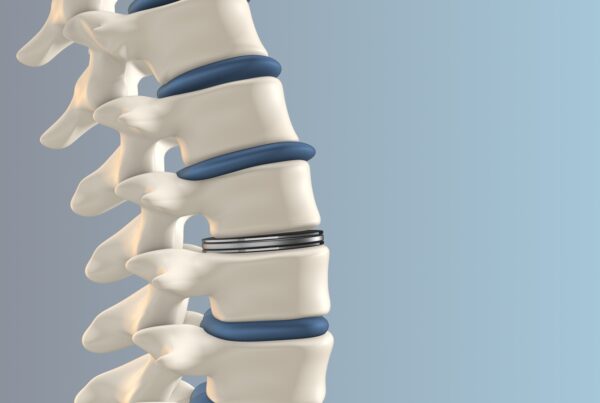
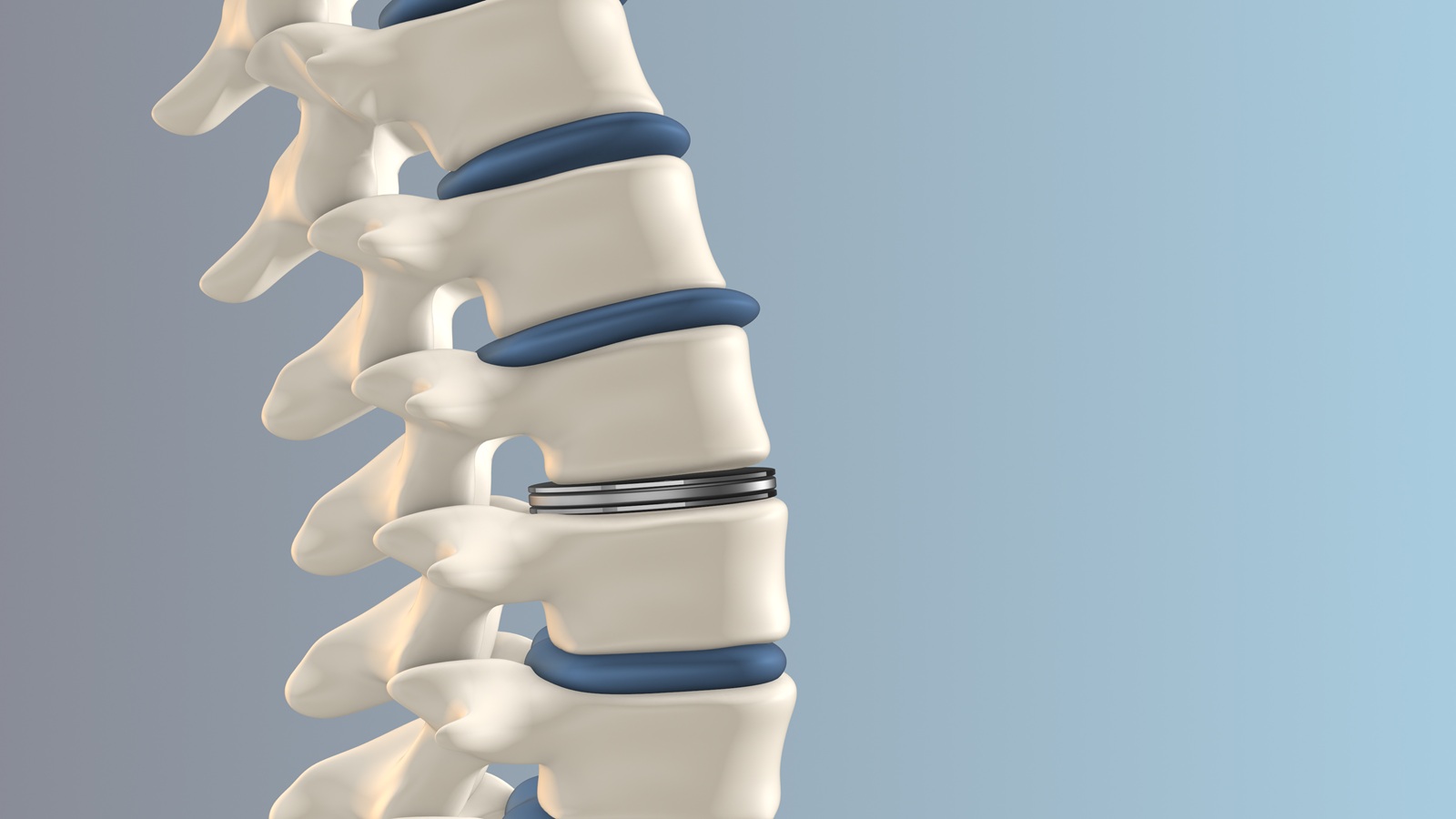
Disc replacement is a minimally invasive surgery that removes a damaged disc in your neck and replaces it with an artificial device. Think of the discs in your spine as cushions between bones. When these cushions wear out or get damaged, they can cause severe pain or other symptoms. In artificial disc replacement, a surgeon removes this damaged disc and replaces it with one made from medical-grade materials that have been designed to last for many, many years. Each one is carefully sized to match your anatomy and restore proper spacing between your vertebrae.
After surgery, the artificial disc acts like your natural disc did. It absorbs shock and allows movement between the vertebrae in your neck. At Neurosurgeons of New Jersey, we strongly believe in cervical disc replacement for the right patients. Cervical disc replacement is only designed to treat problems related to the seven vertebrae in your neck. Problems in this area can impact your arms, hands, and quality of life.
How Disc Replacement Differs from Spinal Fusion
Disc replacement and spinal fusion can relieve chronic neck pain, but they work in different ways.
Spinal fusion eliminates motion between vertebrae. The surgeon removes the damaged disc and uses bone grafts or hardware to fuse two vertebrae. Once healed, those vertebrae move as one solid unit. The pain stops by preventing movement in the problem area.
Disc replacement doesn’t eliminate motion. It preserves it. This artificial disc replaces the function of the damaged disc and still lets your neck bend, turn, and move naturally. You experience pain relief without sacrificing flexibility.
Why is this important? When vertebrae are fused, the segments above and below work harder to make up for lost movement. This extra stress can cause problems over time, a condition called adjacent segment degeneration. By preserving motion, disc replacement can reduce this risk.
Both procedures work. The best choice depends on your condition, your specific anatomy, and your own opinions regarding the pros and cons of the two procedures. Your surgeon can help you understand which option aligns best with your needs.
When Is Disc Replacement Surgery Necessary?
Disc replacement isn’t the first treatment we recommend. Before considering surgery, patients should try conservative treatments like physical therapy, medications, injections, and lifestyle adjustments. Surgery becomes an option when these approaches don’t offer adequate relief.
You might be a candidate for disc replacement surgery if you have:
- Chronic neck pain that persists for months
- Pain radiating into your arm
- Numbness or tingling in your hands or fingers
- Weakness that affects your ability to grip objects or perform daily tasks
- When a combination of these symptoms leads to difficulty with daily activities
Most spine specialists agree that trying non-surgical options for at least six weeks is important before you move to surgery. Exceptions to this include patients with spinal cord compression, significant weakness or pain so severe that they cannot sleep or function.
Conditions Treated with Disc Replacement
Many of the above symptoms stem from common conditions treated with cervical disc replacement. These issues cause chronic pain and affect your quality of life:
- Degenerative Disc Disease: The discs in our spine naturally wear down as we age. They become thinner and can’t cushion the vertebrae as well. This can cause chronic pain and stiffness while also reducing neck mobility.
- Herniated Discs: Sometimes a disc’s outer layer tears or weakens, and the soft inner material pushes out. This herniated material can press on nearby nerves and cause pain that radiates down the arm. Disc replacement removes this damaged disc and relieves pressure on the affected nerves.
- Nerve Compression: As discs break down or herniate, they can compress the nerves exiting the spinal cord. This compression leads to numbness, tingling, or weakness in the shoulders, arms, or hands.
Conditions often overlap. You might have degenerative disc disease that leads to a herniated disc that compresses a nerve. A thorough evaluation helps your surgeon understand the full picture of your symptoms and their causes.
It's time to get back
to doing what you love.
The Disc Replacement Procedure: What to Expect
While every patient’s situation is unique, the general process (from diagnosis to treatment) follows a fairly predictable pattern.
Diagnosis and Evaluation
Before any surgery, you’ll undergo a comprehensive evaluation. Your surgeon will ask you about symptoms, how long you’ve had them, and treatments you’ve tried. Be honest about your symptoms and limitations. This information guides treatment decisions. The surgeon will also perform a physical check of your neck mobility and strength, including reflexes. This hands-on assessment reveals how your condition impacts function.
You’ll also need multiple imaging studies. MRI scans show detailed images of your discs, nerves, and spinal cord. CT scans provide clear views of bone structure. X-rays taken while moving your neck forward and backward reveal how your spine moves. These images help your surgeon plan the right approach for your procedure.
Not everyone qualifies for disc replacement. Your surgeon evaluates factors like bone quality, the number of affected levels, and arthritis. One of the most common limitations is the degree of collapse of your degenerated disc. When the disc collapses beyond a certain point, there is just not enough room for the implant, and you are no longer a candidate for a disc replacement.
During the Procedure
Your surgeon will perform your disc replacement surgery in an operating room under general amesthesia. You’ll be completely asleep and not feel anything during the procedure. During the surgery, you’ll lie on your back on the operating table. Your surgeon will make a small incision on the front of your neck and gently retract anatomic structures like the carotid artery and esophagus to access the spine and remove the damaged disc(s) with specialized instruments. The surgeon will then clean the space and prepare it to insert the disc.
The surgeon chooses and inserts an artificial disc carefully between the vertebrae and secures it in place. Once the artificial disc is positioned properly, they close the incision with sutures and cover the area with a small bandage.
The whole procedure will take about one or two hours, depending on the number of levels and the complexity of your problem. A team of specialists monitors your vital signs to help ensure your safety.
Hospital Stay
One of the advantages of disc replacement is a well tolerated procedure. Many patients go home the same day, while others stay one night for observations. Whether or not your surgery requires a hospital stay largely depends on your overall medical condition. You’ll also need someone to drive you home and stay with you.
Before you leave, you’ll get detailed instructions that include incision care, pain management, and activity restrictions. Don’t hesitate to ask questions. Understanding the recovery plan helps ensure the best outcome.
Benefits of Artificial Disc Replacement
Disc replacement offers several advantages. The primary benefit is being able to move your neck naturally. This regular range of motion doesn’t force other vertebrae to compensate, lowering the risk of adjacent problems. Patients with arthroplasty also tend to have a faster recovery than patients with fusion.
What’s more, many patients return to normal activities within three to four weeks. Individual healing can vary, but this recovery progresses more quickly, and often with similar or identical pain relief, than fusion surgeries.
Ultimately, the combination of pain relief and mobility can help you get back to enjoying life. Not everyone experiences the same degree of benefits; your individual benefits depend on your specific condition, overall health, and commitment to safe and effective rehab.
Recovery After Disc Replacement Surgery
Recovery is a gradual process that demands patience and following your surgeon’s guidance. Most patients find recovery goes much more smoothly when they know what to expect and engage with the care plan.
Immediate Post-Operative Period
The first few days after surgery focus on managing discomfort and allowing initial healing. You can expect some throat soreness or difficulty swallowing. It’s normal and usually improves quickly. Soft foods can help. You’ll also need to keep your incision clean and dry. Watch for signs of infection like redness, swelling, or drainage. Your surgeon will give you specific instructions about when you can shower and how to care for the wound.
Pain management is also important. You’ll receive prescription pain medication for the first few days. As pain decreases, you’ll transition to over-the-counter options. Take medications as directed and don’t wait until pain becomes severe. You’ll be encouraged to walk regularly but to avoid heavy lifting or other strenuous exercise.
Recovery Timeline
Everyone heals at their own pace. For the first few days, walk regularly to promote circulation. You’ll probably feel tired, but that’s natural. Your body is healing. Most patients manage pain during this week with prescribed medications. During the next few weeks, you’ll likely transition to OTC pain relievers as pain continues to improve. You may even return to light activities like desk work during this time, but avoid heavy lifting or high-impact activities.
During weeks four to six, you’ll likely resume normal daily activities and feel more energy and less discomfort. Between six and twelve weeks, you may be able to gradually return to high-intensity activities or increased movement. Your surgeon will guide you based on how much you’ve healed.
Beyond twelve weeks, most patients feel better and have returned to their normal activities. Continued improvement can occur as your body fully adapts to the disc.
Remember, these timelines are all general guidelines. Your specific recovery depends on your overall health and procedure complexity. Always follow post-operative instructions for optimal results.
Physical Therapy and Rehabilitation
Physical therapy plays a big part in achieving the best possible outcome after disc replacement. Your therapist will create a personalized program to address your specific needs and gradually restore neck strength and flexibility. Physical therapy programs for disc replacement typically include:
- Range of motion exercises to restore your neck’s full range of motion
- Strengthening exercises to help increase stability and reduce the risk of future issues
- Posture training that helps reduce strain on your neck to support long-term health
- Pain management techniques, including ice, heat, or gentle manual therapies, to manage residual discomfort
Completing all recommendations and sessions gives you the best chance of long-term success. The exercises you learn during therapy become tools to use throughout your life to maintain neck health.
Risks and Considerations
All surgical procedures, including disc replacement, carry potential risks. Understanding them helps you make an informed decision and prepares you to recognize potential complications. Potential complications include prolonged swallowing or voice issues, infection, bleeding, device issues, and nerve injury. Anesthesia also carries a small chance of a complication. Your care team will discuss all potential risks with you before the procedure.
Am I a Candidate for Disc Replacement Surgery?
Not everyone with neck pain qualifies for disc replacement. Ideal candidates have one or two level cervical disc disease and have tried conservative treatments without success. You’re more likely to be a good candidate if you don’t smoke (or want to quit), maintain an active lifestyle, and are without significant arthritis.
The best way to know if you’re a candidate is through evaluation with a specialized spine surgeon. They’ll review your imaging studies and conduct a physical exam before discussing whether this or another treatment better fits your situation.
Disc Replacement vs. Spinal Fusion: Understanding Your Options
While both disc replacement and spinal fusion can effectively relieve cervical spine pain, they work differently. Disc replacement preserves neck motion, wheras fusion eliminates it by joining the vertebrae together. Both remove damaged disc material and have proven success rates.
Disc replacement is generally more appropriate for younger, active patients whose pathology is limited to the discs themselves. Spinal fusion may be more appropriate if you have multiple levels of disc disease, significant instability, or severe facet joint arthritis.
Making an Informed Decision About Disc Replacement
Choosing spine surgery deserves careful consideration. Prepare for your consultation by writing down thoughtful questions like:
- Am I a good candidate?
- What are my specific risks?
- What results can I expect?
- How long is the recovery?
- What happens if this doesn’t work?
Partner with your healthcare team by providing your complete medical history, lifestyle goals, and concerns. At Neurosurgeons of New Jersey, we focus on specific areas of neurosurgery instead of “doing it all.” Our spine specialists’ expertise means your surgeon has extensive experience with disc replacement and stays current with the latest techniques. We also participate in several health insurance networks. Our insurance specialist can help determine what is covered by your insurance plan.
Prefer a second opinion? They’re welcomed and encouraged. Taking time to explore all your options before surgery demonstrates informed decision-making.
If you’re living with chronic neck pain that limits your daily activities, don’t accept it as the new normal. A thorough evaluation with specialized spine surgeons can determine whether disc replacement or other treatment approaches are right for your specific condition.
Contact Neurosurgeons of New Jersey today to schedule a consultation and learn if artificial disc replacement is right for you. Our board-certified specialists deliver the highest level of care with multiple convenient locations throughout New Jersey and New York.
FAQs
What is the difference between disc replacement and spinal fusion?
Disc replacement preserves motion in your neck by replacing the damaged disc with an artificial device that moves. Spinal fusion eliminates motion by joining two vertebrae together with bone grafts and hardware. Both relieve pain, but disc replacement maintains flexibility while fusion creates stability. Your surgeon will recommend the best option based on your specific condition.
How long does disc replacement surgery take?
The procedure typically takes one to two hours, depending on the complexity of your case and the number of discs replaced. Your surgeon works carefully to remove the damaged disc and position the artificial disc precisely.
Am I a candidate for artificial disc replacement?
Ideal candidates have one or two level cervical disc disease, good bone quality, and pathology limited to the discs themselves. You should have tried conservative treatments without success and want to maintain neck mobility. Factors that might rule out disc replacement include three or more level disease, severe arthritis, abnormalities of cervical spine curvature, and very collapsed discs. The only way to know for certain is through evaluation by a spine specialist.
What is the recovery time for disc replacement surgery?
Most patients return to normal daily activities within 3-4 weeks. You’ll walk the day of surgery, and many people go home the same day or after one night in the hospital. High-intensity activities and sports may require a few additional weeks. Everyone heals at their own pace, and your surgeon will provide specific guidance based on your progress.
Is disc replacement better than fusion?
Neither procedure is universally better, the right choice depends on your specific situation. Disc replacement preserves motion and may reduce adjacent segment stress, making it ideal for single-level disease in younger, active patients. Fusion provides stability and works well for multiple-level disease or when instability is present. Your surgeon will help you understand which option aligns with your needs.
What are the risks of disc replacement surgery?
Risks include infection, bleeding, incomplete pain relief, rare nerve injury, and device issues. Temporary difficulty swallowing can occur because of the surgical approach through the front of the neck. While these risks exist, serious complications are rare when the procedure is performed by experienced spine specialists. Your surgeon will discuss the specific risks that apply to your case.
Can a herniated disc be replaced?
In cervical disc replacement, the surgeon removes the entire damaged disc, including any herniated material, and replaces it with an artificial disc. This relieves pressure on nerves while maintaining neck motion. Not all herniated discs require replacement—many respond well to conservative treatments.
How long do artificial discs last?
Artificial discs are designed to last many years, and have the potential to last for decades. The exact lifespan is not yet known, because the long-term studies required to assess this are still in process. Suffice it to say, that, so far, these devices seem to be holding up very well since they were first put in over two decades ago.

About Ridgewood
Our team of board certified physicians, located in Ridgewood, New Jersey, are dedicated to bringing you the latest developments and treatment options for spinal surgery. We strive to produce the most clarified & clear content to help you make informed decisions on your medical journey. The road to feeling like your true self should not feel lonely- Let us help you. Please call us to schedule a consultation and speak to one of our team members.