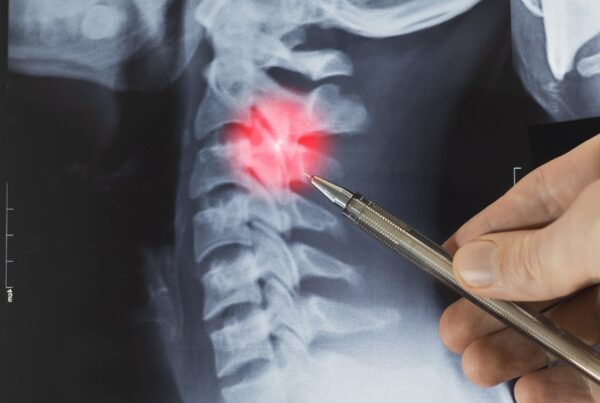
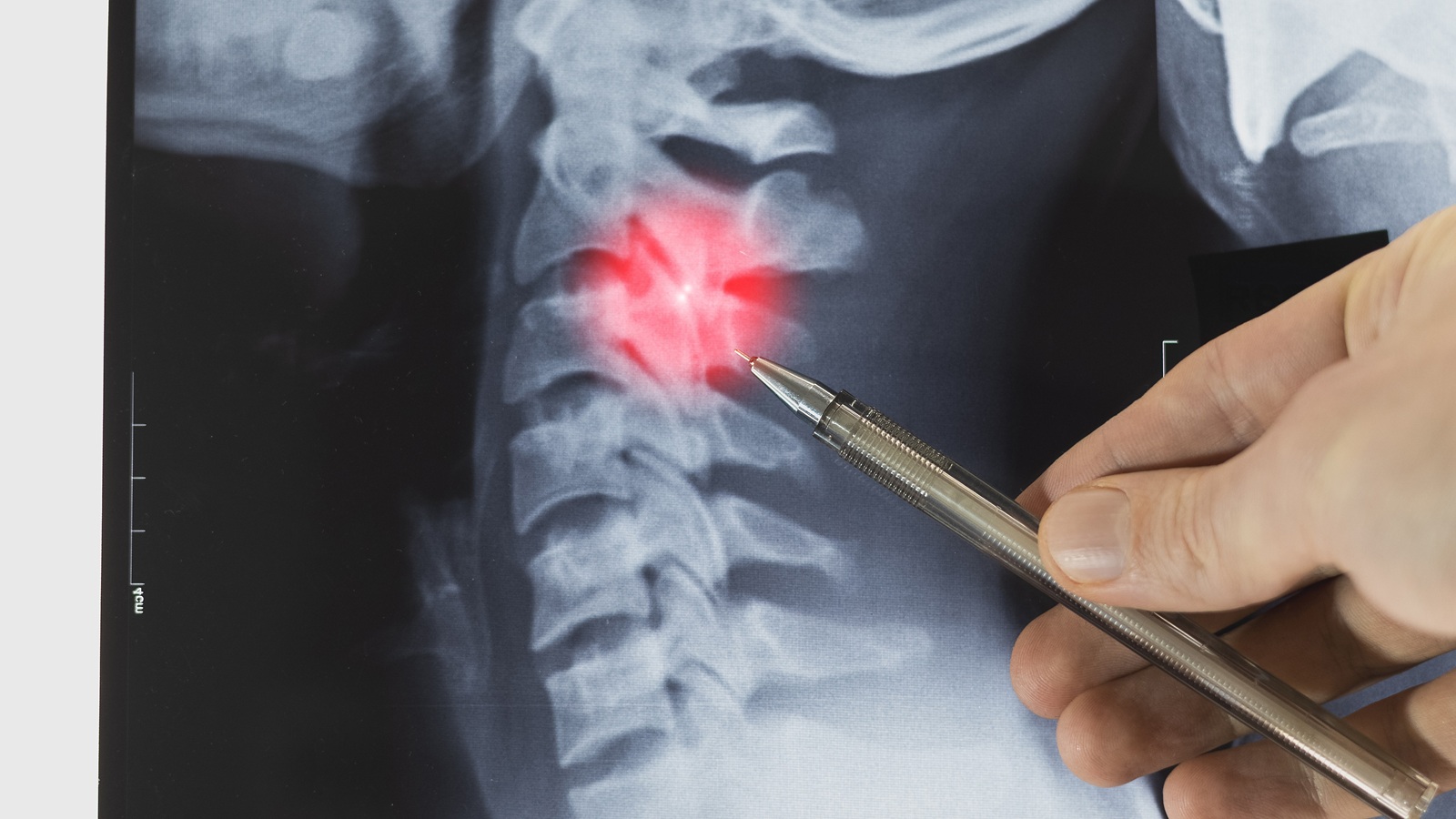

If you’ve been experiencing sharp pain that radiates from your neck down your arm, accompanied by weakness or numbness in your fingers, you may be dealing with cervical radiculopathy. This condition affects the nerves in your cervical spine and can significantly impact your daily activities.
Finding the right cervical radiculopathy treatment depends on the severity of your symptoms, how long you’ve been experiencing them, and how your condition responds to conservative care. Let’s explore what this condition is and the treatment options available to help you find relief.
What Is Cervical Radiculopathy?
Cervical radiculopathy, commonly known as a “pinched nerve” in the neck, occurs when a nerve root in your cervical spine becomes compressed or irritated. Your cervical spine consists of seven vertebrae in your neck (C1 through C7), and nerves branch off from your spinal cord at each level. When one of these nerve roots gets pinched, you can experience symptoms that travel along the nerve pathway.
Common Causes of Nerve Compression Include:
Herniated Discs
The soft cushioning material between your vertebrae can bulge or rupture, pressing directly on the nerve root. This is one of the most frequent causes of cervical radiculopathy, particularly in people between the ages of 30 and 50.
Bone Spurs
As we age, bone spurs can develop along the edges of vertebrae. These bony growths can narrow the space where nerves exit the spinal column, creating pressure on the nerve roots.
Degenerative Disc Disease
Over time, the discs in your spine lose water content and height. This natural wear and tear can lead to disc collapse, which reduces the space available for nerve roots and can cause compression.
A Word About “Spinal Stenosis”
This is a general term that describes narrowing of the spinal canal or the openings where nerves exit the spine. The term doesn’t say anything about what’s causing the narrowing, just that it’s happening. The reduced space can put pressure on the spinal cord or nerve roots.
Symptoms of Cervical Radiculopathy
The symptoms you experience depend on which nerve root is affected. Your neck has eight nerve roots on each side, and each one controls sensation and movement in different areas of your arm and hand.
You might notice:
- Sharp, burning pain that starts in your neck and shoots down your shoulder, arm, or into your fingers
- Numbness or a “pins and needles” sensation that follows a similar pattern or exists in specific areas of your arm or hand
- Weakness when using your arm, when gripping objects or performing tasks that require fine motor skills
- A sensation of your arm or hand “falling asleep” frequently
- Reduced reflexes in your affected arm
- Pain that worsens with certain neck movements or positions
Many people find that their symptoms improve when they rest their arm on top of their head or when they bend their head forwards. These positions can temporarily relieve pressure on the compressed nerve.
It's time to get back
to doing what you love.
How Is Cervical Radiculopathy Diagnosed?
Getting an accurate diagnosis is the first step toward effective treatment for cervical radiculopathy. Your neurosurgeon will start with a thorough evaluation that includes:
Medical History Review
Your doctor will ask detailed questions about when your symptoms started, what makes them better or worse, and whether you’ve experienced any injuries or trauma to your neck.
Physical Examination
During the exam, your neurosurgeon will test your reflexes, muscle strength, and sensation in your arms and hands. They’ll also check your range of motion and may perform specific tests to determine which nerve root is affected.
Imaging Studies
MRI scans provide detailed images of your soft tissues, including discs, nerves, and ligaments. This helps identify the exact location and cause of nerve compression. X-rays may be ordered to check for bone spurs, alignment issues, or other structural problems.
Electrodiagnostic Tests
In some cases, your doctor may recommend nerve conduction studies or electromyography (EMG). These tests measure how well electrical signals travel through your nerves and can confirm which nerves are affected.
Non-Surgical Treatment Options
Most people with cervical radiculopathy respond well to conservative treatment. Your neurosurgeon will typically recommend starting with non-surgical therapies, which can provide significant relief for many patients.
Rest and Activity Modification
Avoiding activities that aggravate your symptoms gives the irritated nerve time to heal. Your doctor will guide you on which movements or positions to avoid while encouraging you to stay as active as possible within your comfort level.
Physical Therapy
A specialized physical therapist can teach you exercises that strengthen the muscles supporting your neck, improve your posture, and increase flexibility. Therapy may include gentle stretching, strengthening exercises, and techniques to improve your neck alignment.
Medications
Over-the-counter anti-inflammatory medications like ibuprofen or naproxen can help reduce inflammation around the compressed nerve. Your doctor might also prescribe muscle relaxants if you’re experiencing muscle spasms, or in some cases, a short course of oral steroids to reduce severe inflammation.
Cervical Traction
This therapy uses gentle pulling to increase the space between your vertebrae, which can relieve pressure on the nerve root. Physical therapists often supervise traction treatments.
Cervical Collar
Wearing a soft cervical collar for short periods can limit neck movement and allow inflamed tissues to rest. However, prolonged use isn’t recommended as it can lead to muscle weakness.
Epidural Steroid Injections
When other treatments haven’t provided adequate relief, your doctor may recommend an injection of corticosteroids near the affected nerve root. This can reduce inflammation and provide pain relief that allows you to participate more fully in physical therapy.
Most patients see improvement within four to six weeks of starting conservative treatment. However, recovery timelines vary based on the severity of nerve compression and your overall health.
When Is Surgery Necessary?
Surgery becomes a consideration when:
- Conservative treatments haven’t provided relief after several weeks or months
- You’re experiencing significant or progressive weakness in your arm or hand
- Nerve compression is severe and causes significant functional limitations
- Your symptoms are interfering with your ability to work, to sleep or perform daily activities
The decision to proceed with surgery isn’t one to take lightly. Your neurosurgeon will discuss the potential benefits and risks, helping you understand what to expect from surgical intervention.
Surgical Treatment Options for Cervical Radiculopathy
If you and your surgeon decide that surgery is the best path forward, several surgical approaches can effectively treat cervical radiculopathy. Learn more about cervical spine surgery options available at our practice.
Anterior Cervical Discectomy and Fusion (ACDF)
This is the most common surgical treatment for cervical radiculopathy. Your surgeon accesses your spine from the front of your neck, removes the herniated disc or bone spur pressing on the nerve, and then fuses the adjacent vertebrae together using a bone graft and sometimes metal hardware.
ACDF surgery offers several advantages:
- Direct access to remove disc material or bone spurs
- High success rates for pain relief
- Minimal muscle disruption
You can read more about what to expect from ACDF surgery and recovery in our comprehensive guide.
Cervical Disc Replacement
Instead of fusing the vertebrae, your surgeon can replace the damaged disc with an artificial one. This option preserves motion at that level of your spine, which some patients prefer. However, not everyone is a candidate for disc replacement. Learn more about cervical fusion surgery and alternative approaches.
Posterior Cervical Foraminotomy/Microdiscectomy
This approach involves accessing your spine from the back of your neck. Your surgeon enlarges the opening (foramen) where the nerve exits the spinal canal relieving pressure without requiring fusion. This procedure preserves spinal motion and may be appropriate when the nerve compression is caused primarily by bone spurs from the facet joints or an isolated fragment of herniated disc.
Minimally Invasive Approaches
When possible, your surgeon may use minimally invasive techniques that involve smaller incisions and less tissue disruption. These approaches can lead to less postoperative pain and faster recovery times. Our practice specializes in minimally invasive spine surgery when it’s appropriate for your condition.
Your neurosurgeon will recommend the most appropriate surgical option based on:
- The location and cause of your nerve compression
- How many levels of your spine are affected
- Your overall health and bone quality
- Your activity level and treatment goals
Recovery After Cervical Radiculopathy Treatment
Recovery timelines vary depending on whether surgical or non-surgical treatment is pursued.
Non-Surgical Recovery
With conservative treatment, many patients notice improvement within a few weeks. Complete recovery can take weeks to months, and can require extensive physical therapy.
Surgical Recovery
After cervical spine surgery, many patients go home the same day. Older patients, patients with other medical issues, and patients that require multilevel surgeries may require an overnight stay in a hospital.
Return to work is highly variable and depends on the degree of physicality of the job and the number of spinal levels involved in the surgery. Many people return to light desk work within one to three weeks. If your job involves heavy lifting or strenuous activity, you may need to wait six to eight weeks before returning to full duty.
Physical therapy typically begins 3-6 weeks after surgery depending on your condition. Your therapist will guide you through exercises to restore strength and flexibility while protecting your healing spine.
The time to full recovery from cervical spine surgery is also highly variable. If your only symptom is pain, full recovery in most cases takes 1-3 months, again depending on the scope of the surgery needed. However, many patients notice significant pain relief from their pre-operative symptoms much sooner and often immediately after surgery. If you have weakness or numbness, these symptoms can take much longer to recover and can continue to improve for several months after surgery.
Why Choose Neurosurgeons of New Jersey for Cervical Radiculopathy Treatment?
Treating cervical radiculopathy requires expertise in both conservative management and advanced surgical techniques. The team at Neurosurgeons of New Jersey specializes in cervical spine conditions and offers:
- Board-certified neurosurgeons with fellowship training in spine surgery
- Access to both traditional and minimally invasive surgical options
- Same-day telehealth consultations for initial evaluations
- Multiple convenient locations throughout New Jersey and in New York
- Personalized treatment plans based on your specific condition and goals
We understand that dealing with nerve pain can be frustrating and disruptive to your life. Our goal is to help you find the most effective treatment with the least invasive approach appropriate for your situation.
If you’re experiencing symptoms of cervical radiculopathy, don’t wait to seek expert care. Early intervention often leads to better outcomes and can help prevent your condition from worsening. Contact Neurosurgeons of New Jersey to schedule a consultation with one of our spine specialists.
Frequently Asked Questions About Cervical Radiculopathy Treatment
How long does it take for cervical radiculopathy to heal?
Recovery time varies depending on the severity of nerve compression and your treatment approach. With conservative treatment, many patients notice improvement within four to six weeks. Complete healing can take several months. If you undergo surgery, you may experience pain relief within days to weeks, though full recovery is variable ranging from 1 to 6 months.
Can cervical radiculopathy go away on its own?
Some cases of cervical radiculopathy improve without treatment, particularly if the nerve compression is mild and caused by temporary inflammation. However, waiting to see if symptoms resolve on their own can be risky. Without proper treatment, nerve compression can worsen and lead to permanent nerve damage. If you’re experiencing symptoms, it’s best to consult with a spine specialist.
What happens if cervical radiculopathy is left untreated?
Untreated cervical radiculopathy can lead to chronic pain, permanent nerve damage, permanent weakness or numbness, and loss of function in your arm or hand. In severe cases, you might develop muscle atrophy (wasting) in the affected areas. Early diagnosis and treatment help prevent these complications.
Is cervical radiculopathy surgery painful?
Modern surgical techniques and pain management protocols have made cervical spine surgery much more tolerable than in the past. You’ll receive anesthesia during the procedure so you won’t feel pain. After surgery, you’ll have some discomfort, but your surgical team will provide medications to keep you comfortable. Many patients report that their post-surgical pain is less intense than the nerve pain they experienced before surgery.
How successful is cervical radiculopathy surgery?
Success rates for cervical radiculopathy surgery are high, with most studies showing around 90% of patients experience significant pain relief and are happy with their surgical result. However, success depends on factors like the severity of nerve compression, how long symptoms were present before surgery, and your overall health. Your neurosurgeon can give you a more specific prognosis based on your individual situation.
Will I need physical therapy after cervical radiculopathy treatment?
Physical therapy plays an important role in both surgical and non-surgical treatment of cervical radiculopathy. If you pursue conservative treatment, physical therapy will be one of your primary interventions. After surgery, you’ll typically begin physical therapy a few weeks into your recovery to restore strength, flexibility, and proper movement patterns.

About Ridgewood
Our team of board certified physicians, located in Ridgewood, New Jersey, are dedicated to bringing you the latest developments and treatment options for spinal surgery. We strive to produce the most clarified & clear content to help you make informed decisions on your medical journey. The road to feeling like your true self should not feel lonely- Let us help you. Please call us to schedule a consultation and speak to one of our team members.