
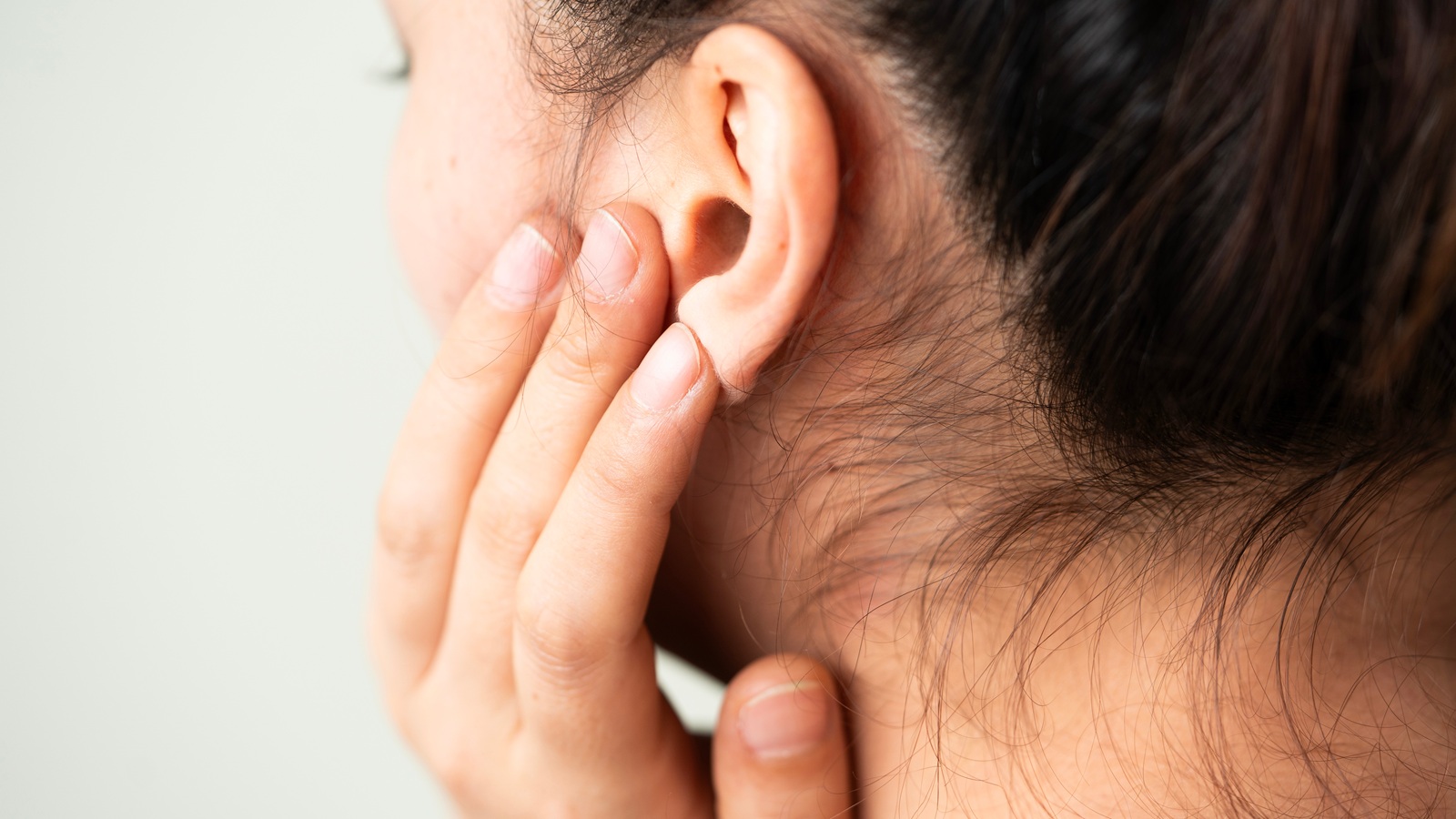

Ear pain after MVD surgery is a known side effect of recovery for some patients, especially during the first few days after the procedure. You may notice aching behind the ear, a feeling of fullness, or muffled hearing as the surgical area heals.
Not every patient experiences these symptoms, but when they do occur, they are usually temporary and improve with time. Below, we’ll cover why ear pain happens, what’s normal versus concerning, how long symptoms typically last, and when to call your surgeon.
Is Ear Pain Normal After MVD Surgery?
If you recently had microvascular decompression (MVD) surgery, you may experience soreness, fullness, or pressure around your ear during recovery. These symptoms do not happen to everyone. When they do occur, they usually improve as swelling goes down and tissues heal.
MVD, or microvascular decompression, is a surgery used to relieve pressure on cranial nerves. Doctors most often use MVD to treat hemifacial spasm, which causes twitching on one side of the face, and trigeminal neuralgia, which causes severe facial pain.
To reach the affected nerve, your surgeon makes a small opening in the skull bone behind your ear. Your surgeon places a small cushion between the nerve and the blood vessel.
However, severe pain that gets worse instead of better, clear fluid leaking from your ear or nose, or sudden hearing loss are not normal. If you notice any of those, contact your surgical team right away.
Auditory Nerve Sensitivity
The hearing structures are located close to the area where surgeons perform MVD, but protecting these delicate structures is a key part of the procedure. Because the body is healing after surgery, some patients temporarily notice muffled hearing, ear fullness, or mild changes in hearing. These symptoms are usually related to swelling and the normal healing process rather than permanent damage.
For most patients, these temporary changes gradually improve as recovery progresses.
Common Ear Symptoms Patients Notice After MVD
Some patients notice one or more of the following ear-related symptoms during recovery:
- Sharp or aching pain: Most people have soreness around the cut behind the ear.
- Ear fullness or pressure: A sensation of blockage or stuffiness, similar to what you might feel during a flight or with a head cold.
- Tinnitus or ringing: Temporary buzzing, humming, or ringing sounds in the affected ear.
- Muffled hearing: A feeling of being “underwater” that usually improves as swelling decreases.
These symptoms are generally mild and resolve on their own. If any of them become severe or persist beyond the expected timeframe, it’s worth discussing with your care team.
How Long Ear Pain After MVD Surgery Lasts
For most patients, ear pain and related symptoms begin to improve within the first one to two weeks after surgery. The sharpest discomfort often fades during this early period as the incision heals and swelling goes down.
Mild tenderness, fullness, or sensitivity can last for several weeks or even a few months. This is a normal part of healing.
Call your surgeon if your pain gets worse instead of better.
Are you out of options
to eliminate your pain?
Recovery Timeline After MVD Surgery
First Week at Home
The first week is often the hardest. You may have headaches, ear pain, and incision soreness. Rest and follow your discharge instructions. Feeling tired is normal.
Follow your discharge instructions carefully, take prescribed medications as directed, and avoid activities that strain your body. Specifically, avoid lifting anything heavy. Most people feel tired and sore during the first week. That’s a normal part of healing.
Weeks Two Through Six
During this period, most patients notice gradual improvement. Ear symptoms like fullness and muffled hearing typically begin to fade.
You can slowly return to light activities, though you’ll want to avoid anything strenuous. During this time period, you should still avoid any heavy lifting, bending or stretching. Follow-up appointments during this time allow your surgical team to monitor your healing and address any concerns.
Three Months and Beyond
By the three-month mark, most patients feel significantly better. Your nerves continue to heal for several months. Mild symptoms may linger, but they should slowly improve. If they don’t, talk with your surgeon.
Tips to Relieve Ear Pain After MVD Surgery
While some discomfort is unavoidable, there are practical steps you can take to manage ear pain during your microvascular decompression recovery.
1. Use Prescribed Pain Medication as Directed
Staying ahead of pain is easier than trying to catch up once it becomes severe. Take your medications on schedule, especially during the first week.
2. Apply Cold or Warm Compresses
A cold compress can help reduce swelling in the early days, while a warm compress may soothe sore muscles later in recovery. Avoid placing anything directly on the incision, and always use a cloth barrier between the compress and your skin. Do not soak the incision in water.
3. Sleep With Your Head Elevated
Keeping your head elevated reduces swelling and pressure around the ear and incision site. An extra pillow or a wedge pillow can help you stay comfortable and may improve how you feel in the morning.
4. Avoid Strenuous Activity and Heavy Lifting
Avoid heavy lifting and strenuous exercise until your surgeon says it’s safe.
5. Protect the Incision From Water and Pressure
Keep the incision dry until your surgeon clears you to shower normally. Avoid wearing headphones or anything that presses on the surgical site, as this can cause irritation and delay healing. Avoid allowing the ear bar of your glasses to press on your incision.
Warning Signs That Require a Call to Your Surgeon
While most ear symptoms after MVD are harmless, certain signs indicate a potential complication that needs prompt attention:
- Sudden hearing loss: This could signal a problem that requires urgent evaluation.
- Clear fluid from your ear, nose, or incision: This could be a leak of the fluid around your brain. Get medical care right away.
- Fever or signs of infection: Redness, warmth, swelling, or pus at the incision site can suggest infection.
If you notice any of these warning signs, call your surgical team right away.
Getting Personalized Support for MVD Recovery
At Neurosurgeons of New Jersey, our team specializes in hemifacial spasm and trigeminal neuralgia. We provide ongoing follow-up care to help you through every stage of recovery.
If you have questions about your symptoms or want guidance from a team experienced in cranial nerve surgery, we’re here to help.
Frequently Asked Questions About MVD and Ear Pain
Can ear pain after MVD surgery become permanent?
Most ear pain resolves within weeks to months as tissues heal. Persistent pain beyond this timeframe is uncommon but can occur. If you’re still experiencing significant discomfort several months after surgery, your surgeon can evaluate whether additional treatment is appropriate.
Does ear fullness after MVD surgery mean I have hearing loss?
Swelling near the surgery can make your ear feel full. It does not usually mean you have hearing damage. This sensation typically improves as healing progresses.
Can I fly after MVD surgery?
Most surgeons recommend waiting several weeks before air travel to allow proper healing. Flying changes the air pressure around you. Ask your surgeon when it is safe for you to fly.
What if ear pain returns weeks after MVD surgery?
Mild fluctuations in discomfort can occur during nerve healing and are often normal. Call your surgeon if your pain comes back or gets worse after you start to feel better.
Can chewing make ear pain worse after MVD?
Because the jaw muscles sit close to the incision, chewing may make your ear feel sore during the first week or two. This usually improves as the muscles heal.

About Dr. Anthony D'Ambrosio
Dr. Anthony D'Ambrosio is an accomplished neurosurgeon in North Jersey and a proud member of Neurosurgeons of New Jersey practicing primarily out of their Ridgewood office conveniently located on East Ridgewood Avenue. Dr. D’Ambrosio focuses his clinical practice on brain tumors, nervous system disorders, and facial pain disorders. He has expertise in a variety of complex surgical and radiosurgical techniques as well as minimally invasive procedures intended to successfully treat complex diseases of the brain. These techniques include micro-neurosurgery, microvascular decompression surgery and Gamma Knife radiosurgery. He's authored over 25 peer-reviewed journals and is the recipient of many awards.


Please call today to schedule a consultation with me.
(551) 284-3265
Request a consultation with Dr. D'Ambrosio