
Being diagnosed with lumbar spinal stenosis often raises immediate questions about mobility, independence, and whether surgery is unavoidable. Many patients describe a gradual loss of walking tolerance, increasing leg discomfort, or a feeling that their lower body simply does not respond the way it used to.
Understanding lumbar spinal stenosis treatment options helps patients approach these concerns with clarity rather than fear. Treatment usually follows a stepwise progression, starting with conservative care and moving toward surgery only when symptoms significantly interfere with daily life.
What Is Lumbar Spinal Stenosis?
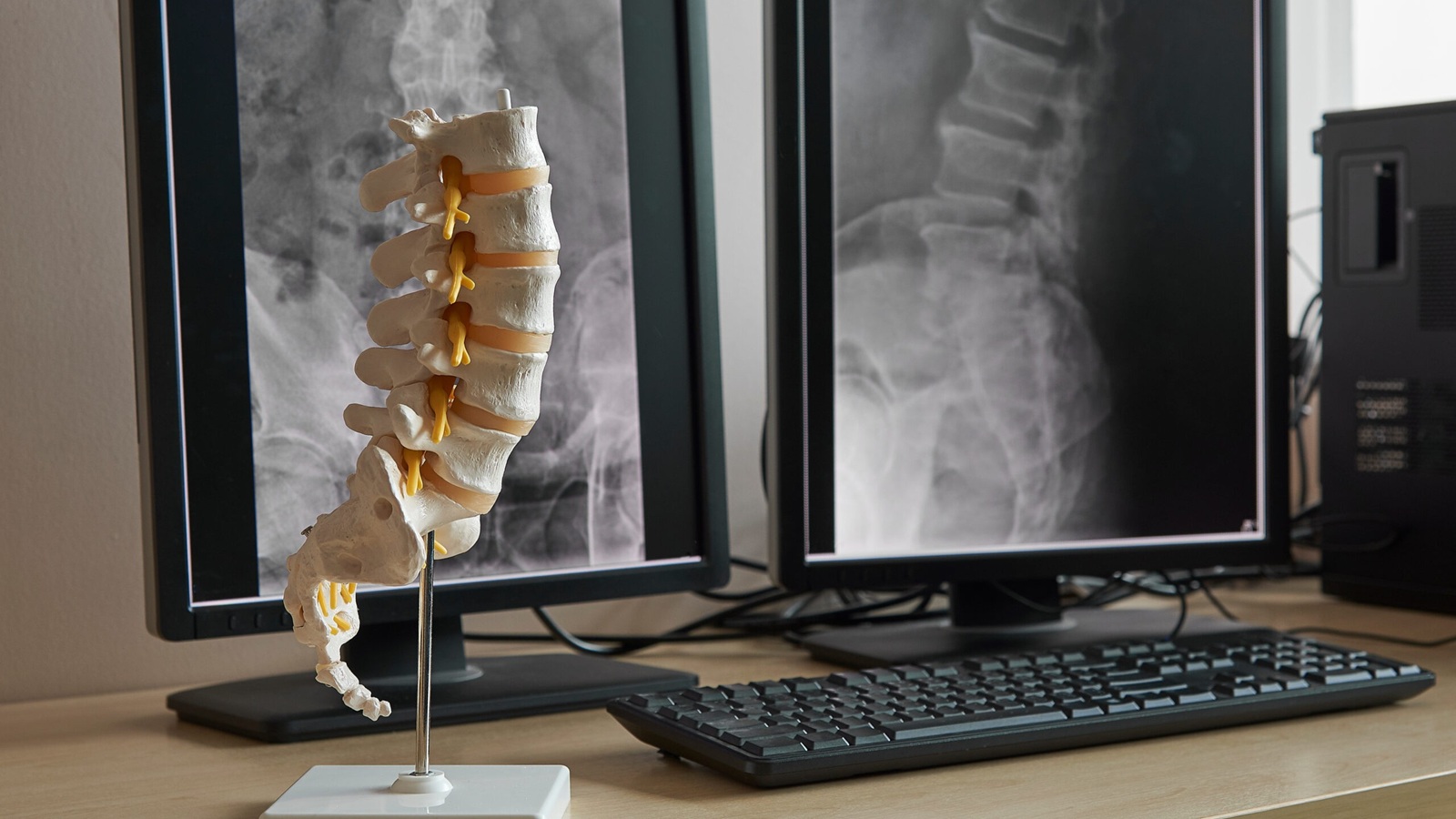
Lumbar spinal stenosis refers to the narrowing of the spinal canal in the lower back. This canal houses nerves that travel from the spinal cord into the legs. When space within the canal becomes limited, these nerves may become compressed.
The most common cause of stenosis is age-related degeneration. Arthritis can lead to bone spurs, ligaments may thicken over time, and discs can lose height. Together, these changes reduce available space for nerves.
Symptoms often include leg pain, numbness, tingling, or weakness that worsens with standing or walking. Many patients notice relief when sitting or bending forward, a hallmark pattern known as neurogenic claudication.
Why Lumbar Spinal Stenosis Develops Gradually
Lumbar spinal stenosis rarely appears suddenly. Degenerative changes occur slowly, often over years. Early symptoms may be subtle, such as mild leg fatigue or discomfort after longer walks.
As narrowing progresses, nerve compression becomes more pronounced. Walking tolerance decreases, and symptoms may begin to limit routine activities such as grocery shopping or standing in line.
Not all patients experience progression at the same rate. Some remain stable for long periods with conservative care, while others notice gradual worsening. Understanding this variability is important when deciding how aggressively to pursue treatment.
Early Lumbar Spinal Stenosis Treatment Options
Initial treatment for lumbar spinal stenosis focuses on managing symptoms while preserving mobility. Physical therapy is often the foundation of early care. Exercises emphasize posture correction, core strengthening, and flexibility to reduce stress on the lumbar spine.
Activity modification may help limit symptom flare-ups. This does not mean avoiding movement, but rather adjusting how activities are performed. Remaining active within tolerance is generally encouraged.
Medications may be used to manage pain or inflammation when symptoms interfere with daily life. These measures aim to improve comfort and function without addressing spinal narrowing directly.
It's time to get back
to doing what you love.
The Role of Injection-Based Treatments
When physical therapy and medications are not sufficient, injections may be considered. Epidural steroid injections can reduce inflammation around compressed nerves and provide temporary relief.
These injections do not correct the structural narrowing that causes stenosis, but they may improve symptoms enough to delay or avoid surgery. In some cases, injections allow patients to continue conservative care more comfortably.
Response to injections can also provide useful diagnostic information when determining the next steps in care.
How Doctors Decide When Conservative Care Has Reached Its Limit
Knowing how to treat lumbar stenosis includes recognizing when non-surgical options are no longer effective. Surgery is typically considered when symptoms persist despite appropriate conservative treatment or when walking ability continues to decline.
Progressive weakness, balance problems, or increasing numbness may indicate worsening nerve compression. Imaging studies, such as MRI, help confirm whether structural narrowing explains these symptoms.
The decision to move toward surgery is based on functional limitation, not imaging alone.
Surgical Lumbar Stenosis Treatment Options
Surgical treatment aims to relieve pressure on compressed nerves. Decompression procedures remove bone, ligament, or tissue that is narrowing the spinal canal. For many patients, decompression alone is sufficient.
If spinal instability is present or expected after decompression, fusion may be recommended to maintain alignment. Surgical plans are individualized based on anatomy, symptom severity, and overall health.
Modern, minimally invasive techniques focus on minimizing tissue disruption while effectively acheiving the goals of surgery and relieving nerve compression.
What Recovery Looks Like After Treatment
Recovery varies depending on the treatment approach. Conservative care may lead to gradual improvement over months. Surgical recovery follows a structured timeline that includes activity progression and physical therapy.
Many patients notice improvement in leg symptoms relatively soon after decompression surgery. Strength, balance, and endurance continue to improve with rehabilitation.
Understanding recovery expectations helps patients set realistic goals and remain engaged in the healing process.
Choosing the Best Lumbar Stenosis Treatment for You
There is no single best treatment for lumbar spinal stenosis that applies to everyone. Effective care depends on symptom severity, response to treatment, imaging findings, and personal priorities.
A spine specialist can help determine whether continued conservative care is appropriate or whether surgery offers the best chance for improved mobility and quality of life.
Frequently Asked Questions About Lumbar Spinal Stenosis Treatment
What is lumbar spinal stenosis?
Lumbar spinal stenosis is the narrowing of the spinal canal in the lower back that compresses spinal nerves and causes leg symptoms.
Can lumbar spinal stenosis be treated without surgery?
Yes. Many patients manage symptoms successfully with physical therapy, medications, injections, and activity modification.
How do I know when conservative treatment is no longer enough?
Surgery may be considered when walking tolerance declines or symptoms persist despite appropriate non-surgical care.
What does surgery for lumbar spinal stenosis involve?
Surgery typically involves decompression of nerves, with or without fusion, depending on spinal stability.
Can lumbar spinal stenosis worsen if left untreated?
Yes. Spinal stenosis often progresses gradually, though the rate varies among individuals.

About Dr. Jonathan Yun
Dr. Jonathan Yun is a board-certified neurosurgeon who focuses on helping patients with spine disorders. He uses advanced, minimally invasive techniques to reduce recovery time and make surgery safer and less painful. With tools like computer-guided systems, advanced imaging technologies, and robotic-assisted surgery, Dr. Yun is able to provide precise, tailored care. His expertise covers a wide range of treatments, from highly targeted procedures to alleviate pressure on nerves to performing minimally-invasive fusions and correcting spinal deformities. Dr. Yun is currently accepting new patients.