
A diagnosis of lumbar degenerative disc disease can sound overwhelming at first. Many patients immediately wonder whether they are facing surgery or a permanent change to their quality of life.
The reality is often much more manageable than it seems.
Lumbar degenerative disc disease describes age-related wear in the discs of the lower back. While some people develop persistent symptoms, many improve with conservative treatment and go on to live active lives. At Neurosurgeons of New Jersey, we help patients understand what their diagnosis actually means and what treatment path makes the most sense for their situation.
What Is Lumbar Degenerative Disc Disease?
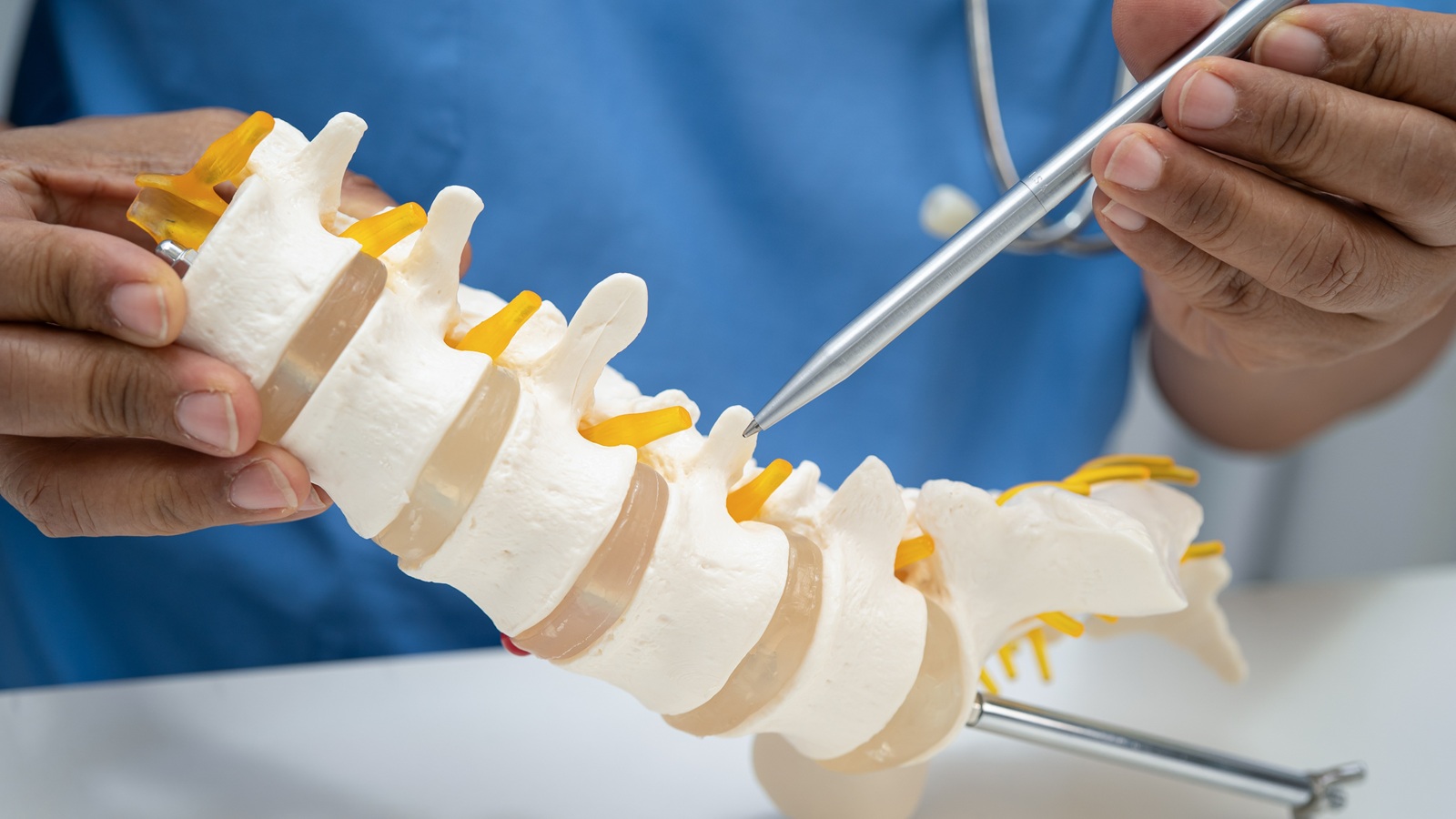
Lumbar degenerative disc disease occurs when one or more discs in the lower spine begin to break down over time. Your spinal discs act as cushions between the vertebrae, absorbing shock, supporting movement, and helping maintain space for nearby nerves. As those discs age, they may lose water content, become thinner, develop small tears, lose flexibility, and gradually provide less support between spinal bones.
Despite the name, lumbar degenerative disc disease is not an infectious or progressive disease in the traditional sense. It is a structural condition that develops as part of the natural aging process.
You may also see it referred to as lumbar degenerative disk disease, degenerative disc disease lumbar spine, or DDD lumbar spine. These terms all describe the same underlying condition affecting the lower back.
What Part of the Spine Does Lumbar DDD Affect?
The lumbar spine is the lower portion of your back, and it carries much of your body weight while handling constant movement throughout the day. Bending, lifting, twisting, standing, and sitting all place stress on the lumbar discs.
Because of this, degenerative disc disease of the lumbar spine most commonly affects the L4-L5 and L5-S1 levels. These are the segments that absorb the greatest daily stress and are frequent sources of lower back symptoms.
What Causes Lumbar Degenerative Disc Disease?
In most cases, lumbar degenerative disc disease develops gradually over time rather than from any single event.
Natural aging is the most common factor. Healthy spinal discs contain water that keeps them flexible and capable of absorbing movement. Over time, discs naturally lose that hydration, making them less effective at cushioning the spine.
Repetitive wear and tear plays a role as well. Years of daily movement, including lifting, twisting, prolonged sitting, or physically demanding work, can increase cumulative stress on the lumbar discs and contribute to DDD lumbar spine changes over time.
A prior spinal injury can also accelerate the process. A herniated disc, trauma, or repetitive strain injury may weaken disc structure and cause symptoms to appear earlier than they otherwise would.
Genetics are a factor for some patients. Family history can influence how quickly discs wear down, meaning some people are more predisposed to developing lumbar degenerative disk disease regardless of lifestyle.
Finally, smoking can reduce circulation to spinal tissues, which may negatively affect disc health and the body’s ability to heal.
Symptoms of Lumbar Degenerative Disc Disease
Symptoms vary widely from person to person. Some patients experience mild stiffness that comes and goes. Others develop symptoms that interfere with work, sleep, exercise, and daily movement.
Lower back pain is the most common complaint. Patients often describe a persistent ache, stiffness after activity, soreness with prolonged sitting, or discomfort when bending and lifting. Early on, symptoms may come and go before becoming more consistent over time.
Pain that travels into the legs is another common pattern. When lumbar degenerative disc disease affects nearby nerves, patients may experience buttock pain, leg pain, tingling, numbness, or burning sensations that extend beyond the lower back.
Many patients also notice that certain positions make symptoms worse. Prolonged sitting, bending forward, lifting, twisting, or getting up after resting are frequent triggers. Walking or changing position sometimes brings relief.
Weakness in the legs or feet can develop if nerve compression progresses. This symptom warrants prompt evaluation.
When Should You See a Spine Specialist?
Not every episode of back discomfort requires specialist care, but certain patterns are worth taking seriously.
Consider scheduling an evaluation if your symptoms have lasted several weeks, are interfering with sleep or daily activity, include numbness or tingling, or continue to worsen despite rest and over-the-counter care.
Seek urgent evaluation if you develop significant weakness, bowel or bladder changes, or rapidly worsening symptoms. These can indicate more serious nerve involvement.
It's time to get back
to doing what you love.
How Is Lumbar Degenerative Disc Disease Diagnosed?
Diagnosis starts with a thorough review of your symptoms and a physical examination. Your spine specialist will assess range of motion, strength, reflexes, walking pattern, nerve symptoms, and what positions or movements trigger your pain.
Imaging helps confirm whether degenerative disc disease of the lumbar spine is contributing to your symptoms. X-rays can show disc space narrowing, alignment issues, or spinal instability. MRI provides a more detailed picture, including disc health, nerve compression, inflammation, and the condition of surrounding soft tissues.
One important note: Imaging findings alone do not always explain symptoms. That is why the full clinical picture matters just as much as what appears on a scan.
Conservative Treatment for Lumbar Degenerative Disc Disease
Most patients with lumbar degenerative disc disease do not need surgery right away. At Neurosurgeons of New Jersey, treatment begins conservatively whenever appropriate.
Physical therapy is often a cornerstone of early care. Strengthening the muscles that support the spine can reduce pressure on painful discs while improving overall movement and function.
Short-term activity modification can also help reduce strain on the lumbar spine while symptoms settle. Anti-inflammatory medications or other symptom management approaches may ease discomfort during flare-ups. For select patients with DDD lumbar spine symptoms, targeted spinal injections may reduce inflammation and improve day-to-day comfort.
When Is Surgery Considered?
Surgery for lumbar degenerative disc disease is typically a conversation that happens only after conservative care has been given adequate time to work and no longer provides meaningful relief.
It may become an option if pain remains persistent despite other treatment, if symptoms are significantly limiting quality of life, if nerve compression worsens, if weakness develops, or if spinal instability becomes a clinical concern.
When advanced lumbar degenerative disc disease creates ongoing pain or instability, minimally invasive lumbar fusion procedures may be part of the treatment plan. Depending on the specifics of your diagnosis, this could include TLIF, ALIF, or other lumbar fusion approaches.
Does Lumbar Degenerative Disc Disease Always Get Worse?
No. Structural changes in the disc may continue over time, but symptoms do not always follow the same trajectory. Many patients improve significantly with conservative treatment and maintain active, independent lives for years without requiring surgery.
Find the Right Treatment Path for Lumbar Degenerative Disc Disease
A diagnosis of lumbar degenerative disc disease does not automatically mean surgery or a permanent change to the way you live. It means it is time to understand what is happening in your spine and which options may help.
At Neurosurgeons of New Jersey, we guide patients through conservative care first whenever possible, while offering advanced surgical expertise when it is genuinely needed. Schedule an evaluation with us to better understand your lumbar spine symptoms and explore your treatment options.
Frequently Asked Questions
Is lumbar degenerative disc disease serious?
It depends on the severity of your symptoms. Many people with this condition manage it well with conservative care. More advanced cases involving nerve compression or spinal instability may require a more involved treatment approach.
Is lumbar degenerative disk disease the same thing?
Yes. Lumbar degenerative disk disease and lumbar degenerative disc disease refer to the same condition. “Disk” and “disc” are simply alternate spellings used interchangeably in medical writing.
What does DDD lumbar spine mean?
DDD lumbar spine is shorthand for degenerative disc disease affecting the lower back. It describes age-related disc breakdown in the lumbar region.
Will I need surgery for lumbar degenerative disc disease?
Most patients do not. Conservative treatment is almost always the first step, and many people find meaningful relief without ever needing an operation. Surgery becomes part of the conversation when symptoms persist or spinal stability becomes a concern.

About Dr. Jonathan Yun
Dr. Jonathan Yun is a board-certified neurosurgeon who focuses on helping patients with spine disorders. He uses advanced, minimally invasive techniques to reduce recovery time and make surgery safer and less painful. With tools like computer-guided systems, advanced imaging technologies, and robotic-assisted surgery, Dr. Yun is able to provide precise, tailored care. His expertise covers a wide range of treatments, from highly targeted procedures to alleviate pressure on nerves to performing minimally-invasive fusions and correcting spinal deformities. Dr. Yun is currently accepting new patients.