
How Vertigo Led to an Acoustic Neuroma Diagnosis
Hela considered herself healthy. She worked as a lawyer, stayed active by going to the gym, and enjoyed spending time with her daughter and walking her dog. Other than having recently undergone a thyroidectomy, she had no reason to believe anything serious was happening.
The only symptom she could think of was occasional vertigo. Every now and then the room would spin, but it never seemed significant enough to suggest a neurological problem. During a routine conversation with her doctor, she mentioned the episodes almost in passing. Out of an abundance of caution, her physician recommended an MRI.
The results came back far sooner than she expected.
“They called me pretty fast,” Hela recalls. “They said I had three brain tumors.”
In an instant, a symptom she had barely thought about became the beginning of a completely different journey.
Could Vertigo Be a Sign of an Acoustic Neuroma or Brain Tumor?
Vertigo is a common symptom with many possible causes, and in most cases it isn’t related to a brain tumor. Inner ear disorders, migraines, and other medical conditions are much more likely explanations. However, when dizziness is persistent or accompanied by other concerning symptoms, advanced imaging can help identify a more serious underlying condition.
For Hela, the MRI revealed two acoustic neuromas and one meningioma associated with neurofibromatosis type 2 (NF2), a rare genetic condition that causes tumors to develop along nerves throughout the brain and spinal cord. Acoustic neuromas, also called vestibular schwannomas, develop on the nerves responsible for hearing and balance, while meningiomas arise from the membranes surrounding the brain and spinal cord.
As these tumors grow, they can interfere with nearby nerves and structures, leading to symptoms such as hearing loss, ringing in the ears, balance problems, facial weakness, or persistent vertigo. Learning she had multiple tumors made Hela’s diagnosis especially complex and raised difficult questions about what treatment should come next.
Finding the Right Treatment After an Acoustic Neuroma Diagnosis
Like many patients facing a rare diagnosis, Hela sought multiple opinions before making a decision. Every consultation seemed to introduce another possible treatment plan. Some physicians discussed immunotherapy. Others suggested different approaches that would require continued monitoring over time.
While she appreciated having options, she found herself growing increasingly frustrated by the uncertainty.
“I just wanted to address the problem,” she says.
At 53 years old, Hela wasn’t interested in spending years wondering what would happen next. She wanted to understand her condition, know what her long-term outlook looked like, and choose a treatment plan that offered the best opportunity to move forward. Instead of searching for another opinion, she began looking for the right surgeon.
Choosing an Experienced Acoustic Neuroma Surgeon
Everything changed when Hela met Dr. Liu. Rather than rushing through the consultation, he spent nearly two hours sitting with Hela and her daughter, reviewing her MRI scans, explaining her diagnosis, discussing every available treatment option, and answering each of their questions.
By the end of the appointment, she felt something she hadn’t experienced since her diagnosis.
Confidence.
“He goes straight to the point,” Hela says. “What are my options? What could be the outcome?”
Their biggest concern wasn’t simply removing the tumors. It was protecting the nerves that controlled her facial movement and preserving her quality of life after surgery. Because acoustic neuromas grow next to the facial nerve, one of the greatest challenges during surgery is removing the tumor while avoiding permanent facial weakness or paralysis.
Hela had done her research. She knew Dr. Liu regularly treated some of the most challenging acoustic neuroma cases, including patients who had been told elsewhere that surgery would be too risky. That experience gave her complete confidence in her decision.
“When we sat down with Dr. Liu,” she says, “there was no doubt it was going to be him.”
It's time to get back
to doing what you love.
Acoustic Neuroma Treatment Options for Complex Cases
Every acoustic neuroma is different, and treatment depends on factors such as the size of the tumor, the patient’s symptoms, hearing function, overall health, and whether one or multiple tumors are present.
For some patients, careful observation with regular MRI scans may be the safest approach. Others may benefit from stereotactic radiosurgery, which can stop tumor growth without an incision. When tumors continue growing, cause significant symptoms, or threaten important nerves, microsurgical removal may provide the best long-term solution.
Because Hela had two acoustic neuromas and a meningioma related to NF2, her treatment required especially careful planning. Her surgical team recommended staging the procedures to maximize safety and give her brain time to heal between surgeries.
Acoustic Neuroma Surgery Recovery: Hela’s First Operation
Hela underwent her first surgery in September 2024.
Like many patients preparing for brain surgery, she expected a long recovery. Instead, she was surprised by how quickly she began feeling like herself again.
She spent only three days in the hospital before returning home. She remembers needing steroids during her recovery, but very little else.
“I really didn’t need painkillers,” she says.
Even the physical signs of surgery were minimal.
“You would never know I had surgery.”
Within about four weeks, she had returned to many of the activities she enjoyed before her diagnosis, including exercising, walking her dog, and getting back to her regular routine. Her medical team allowed additional healing time before planning the next stage of treatment.
Second Surgery and Continued Recovery
Several months later, Hela returned for her second surgery.
By then, she knew exactly what to expect from both Dr. Liu and his team. The procedure to remove the meningioma was a success, and this time she spent only one day in the hospital before going home.
Today, she’s grateful that both surgeries were successful and that she was able to recover without the complications she feared most. Protecting her facial movement and allowing her to return to the active life she enjoyed before surgery were goals she and her surgeon had discussed from the very beginning.
Looking back, she says choosing Dr. Liu was one of the easiest decisions she made throughout her journey.
“I wouldn’t do any of this with any other doctor,” she says. “He saved my life.”
Life After Acoustic Neuroma Surgery: Returning to Normal Activities
Receiving a diagnosis of multiple brain tumors is overwhelming, especially when those tumors involve delicate nerves that affect hearing, balance, and facial movement. For Hela, the experience reinforced the importance of finding a surgeon who not only had extensive technical expertise but also took the time to answer questions, explain every option, and build trust before treatment ever began.
Today, she’s back to the life she loves. She’s exercising again, spending time with her family, walking her dog, and moving forward with confidence instead of uncertainty. While every patient’s journey is different, her story shows that even highly complex brain tumors can often be treated successfully with the right team and an individualized treatment plan.
Acoustic Neuroma Symptoms: When Should You See a Specialist?
Persistent vertigo, hearing changes, ringing in the ears, or balance problems don’t always mean you have an acoustic neuroma. However, symptoms that continue worsening or don’t improve deserve evaluation by an experienced specialist. Early diagnosis can help determine whether observation, radiosurgery, or microsurgical removal is the most appropriate treatment.
At Neurosurgeons of New Jersey, our skull base specialists treat both routine and highly complex brain tumors, including acoustic neuromas and tumors associated with neurofibromatosis type 2 (NF2). Every treatment plan is personalized to the patient’s diagnosis, symptoms, and long-term goals, with the objective of preserving neurological function while delivering the best possible outcome.
If you’ve been diagnosed with an acoustic neuroma or another skull base tumor, schedule a consultation with Dr. Liu to discuss your treatment options and learn whether surgery or another approach may be right for you.
Frequently Asked Questions
What is an acoustic neuroma?
An acoustic neuroma, also called a vestibular schwannoma, is a usually benign tumor that develops on the nerve responsible for hearing and balance. As it grows, it can affect nearby nerves and cause hearing loss, ringing in the ears, dizziness, balance problems, or facial weakness.
What is neurofibromatosis type 2 (NF2)?
Neurofibromatosis type 2 (NF2) is a rare genetic condition that causes tumors to develop throughout the nervous system. Many people with NF2 develop acoustic neuromas on both hearing and balance nerves, and the condition can also cause meningiomas and other tumors in the brain and spine.
Can vertigo be a sign of a brain tumor?
Most cases of vertigo are caused by inner ear conditions or other non-cancerous medical problems. However, persistent vertigo, especially when accompanied by hearing changes or balance difficulties, should be evaluated by a physician to determine whether additional testing is needed.
Is acoustic neuroma surgery safe?
Acoustic neuroma surgery is a highly specialized procedure that requires careful planning and advanced microsurgical techniques. While every surgery carries risks, experienced skull base surgeons focus on removing the tumor while preserving important nerves responsible for facial movement, hearing, and balance whenever possible.
How long does recovery take after acoustic neuroma surgery?
Recovery varies depending on the size and location of the tumor, the surgical approach, and the patient’s overall health. Many patients begin returning to normal daily activities within several weeks, although complete recovery may take longer.
Will I have a visible scar after acoustic neuroma surgery?
Modern surgical techniques are designed to minimize visible scarring whenever possible. Your surgeon will discuss the planned approach and what to expect during recovery based on your individual case.
Do all acoustic neuromas require surgery?
No. Some smaller tumors can be safely monitored with regular MRI scans, while others may be treated with stereotactic radiosurgery. Surgery is generally recommended when tumors continue growing, cause significant symptoms, or threaten nearby nerves or brain structures.
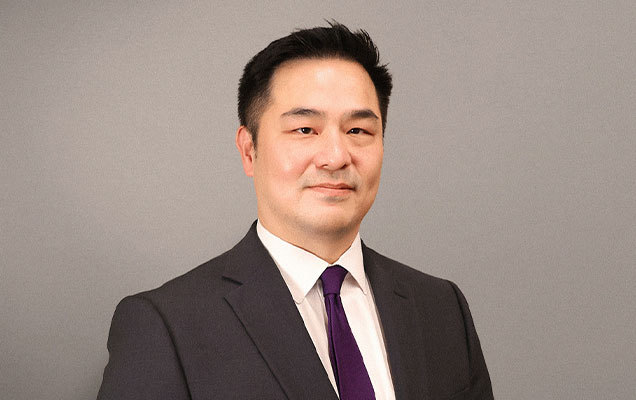
About Dr. Jonathan Yun
Dr. Jonathan Yun is a board-certified neurosurgeon who focuses on helping patients with spine disorders. He uses advanced, minimally invasive techniques to reduce recovery time and make surgery safer and less painful. With tools like computer-guided systems, advanced imaging technologies, and robotic-assisted surgery, Dr. Yun is able to provide precise, tailored care. His expertise covers a wide range of treatments, from highly targeted procedures to alleviate pressure on nerves to performing minimally-invasive fusions and correcting spinal deformities. Dr. Yun is currently accepting new patients.