

A Patient’s Guide to Safe Daily Activities
Living with cervical spinal stenosis can feel overwhelming, especially when you’re worried about making your symptoms worse. Many patients wonder what activities are safe and which ones might aggravate their condition. Understanding what to avoid with cervical stenosis can help you manage your symptoms better and protect your spine from further damage.
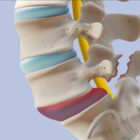
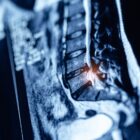
Cervical spinal stenosis occurs when the spinal canal in your neck narrows, putting pressure on your spinal cord and nerves. This pressure can cause pain, numbness, and weakness in your neck, shoulders, arms, and hands. While staying active is important for your overall health, certain activities can worsen your symptoms and potentially cause more harm.
Activities to Avoid with Cervical Spinal Stenosis
High-Impact Sports and Activities
Football, hockey, rugby, and other contact sports pose significant risks for people with cervical stenosis. The sudden impacts and collisions can worsen spinal cord compression and potentially cause serious injury. Even a minor hit to the head or neck could have severe consequences when your spinal canal is already narrowed.
High-Impact Exercise
Activities that involve jumping, jarring movements, or sudden direction changes can aggravate cervical spinal stenosis. This includes:
- Gymnastics
- Trampolining
- High-impact aerobics
- Volleyball (especially spiking)
- Basketball (due to jumping and potential contact)
Running with Cervical Spinal Stenosis
Many patients ask whether running is safe with cervical stenosis. The repetitive jarring motion of running can worsen neck pain and increase pressure on your spinal cord. The constant up-and-down movement sends shock waves through your spine, potentially aggravating your symptoms.
If you’re an avid runner, consider switching to lower-impact alternatives like:
- Walking on flat surfaces
- Swimming
- Elliptical machines
- Stationary cycling
Heavy Lifting and Manual Labor
What aggravates cervical spinal stenosis often includes activities that strain your neck and upper spine. Heavy lifting, especially overhead lifting, can increase pressure in your cervical spine and worsen stenosis symptoms.
Can cervical stenosis be caused by heavy lifting? While heavy lifting alone may not cause stenosis, it can certainly make existing stenosis worse. The strain from lifting heavy objects can accelerate spinal degeneration and increase inflammation around compressed nerves.
Avoid or modify these activities:
- Lifting objects over 10-15 pounds
- Overhead lifting
- Carrying heavy bags or purses
- Moving furniture
- Heavy gardening tasks
Cervical Stenosis Exercises to Avoid
Neck Extension Exercises
Exercises to avoid include those that extend your neck backward or put it in extreme positions. These movements can narrow your spinal canal further and increase pressure on your spinal cord.
Specific exercises to avoid:
- Neck rolls or full circles
- Extreme neck tilts backward
- Bridging exercises that stress the neck
- Inverted poses in yoga
- Headstands or handstands
Aggressive Stretching
While gentle stretching can be beneficial, aggressive or forceful stretching can worsen cervical stenosis symptoms. Avoid:
- Forceful neck rotations
- Extreme side-to-side head movements
- Partner-assisted stretching of the neck
- Bouncing or ballistic stretching movements
Weight Training Considerations
Certain weight training exercises can put excessive stress on your cervical spine:
- Upright rows
- Military presses
- Behind-the-neck exercises
- Heavy deadlifts
- Shrugs with heavy weights
Daily Activities That Make Cervical Stenosis Worse
Poor Posture Habits
What makes cervical stenosis worse often involves everyday activities we don’t think twice about. Poor posture is one of the biggest culprits:
- Looking down at phones or tablets for extended periods
- Sleeping on your stomach
- Using multiple pillows that crane your neck forward
- Hunching over a computer for hours
- Carrying heavy bags on one shoulder
Repetitive Neck Movements
Repetitive motions can inflame already compressed nerves:
- Painting ceilings or high walls
- Frequent overhead reaching
- Prolonged computer work without breaks
- Assembly line work requiring repetitive neck movements
Sudden Movements
Quick, jerky movements can worsen stenosis symptoms:
- Whipping your head around quickly
- Sudden stops while driving
- Jerky movements during exercise
- Getting up too quickly from lying down
It's time to get back
to doing what you love.
Safe Alternatives and Modifications
Low-Impact Exercise Options
Instead of high-impact activities, consider these spine-friendly alternatives:
- Swimming (excellent for spinal health)
- Water aerobics
- Gentle yoga with modifications
- Tai chi
- Stationary cycling
- Walking on level surfaces
Proper Lifting Techniques
When you must lift objects:
- Keep items close to your body
- Bend at your knees, not your waist
- Avoid twisting while lifting
- Use lifting aids or ask for help
- Take frequent breaks
Ergonomic Improvements
Make your daily environment more spine-friendly:
- Adjust computer monitors to eye level
- Use ergonomic keyboards and mice
- Choose supportive pillows for sleep
- Maintain good posture while sitting
- Take regular breaks from prolonged activities
When to Seek Medical Attention
While knowing what to avoid is important, it’s equally crucial to recognize when your symptoms require medical attention. Contact your healthcare provider if you experience:
- Increasing weakness in your arms or hands
- Loss of coordination or balance
- Difficulty with fine motor skills
- Severe pain that doesn’t improve with rest
- Numbness or tingling that worsens over time
Working with Your Healthcare Team
Managing cervical spinal stenosis effectively requires a team approach. Your neurosurgeon, physical therapist, and other healthcare providers can help you:
- Develop a safe exercise program
- Learn proper body mechanics
- Explore treatment options
- Monitor your condition’s progression
- Adjust your activity level as needed
Regular follow-ups are essential to ensure your condition isn’t worsening and that your management strategies are working effectively.
Living Well with Cervical Stenosis
Understanding things to avoid with cervical spinal stenosis is just one part of managing your condition. Focus on what you can do rather than what you can’t. Many people with cervical stenosis lead active, fulfilling lives by making smart choices about their activities and working closely with their healthcare team.
Remember that every person’s situation is unique. What works for one person may not work for another. Always consult with your healthcare provider before making significant changes to your activity level or starting new exercises.
The key to managing cervical spinal stenosis is finding the right balance between staying active and protecting your spine. By avoiding activities that worsen your symptoms and embracing spine-friendly alternatives, you can maintain your quality of life while protecting your neurological health.
If you’re struggling with cervical spinal stenosis symptoms or need guidance on safe activities, don’t wait to seek help. Our experienced team at Neurosurgeons of New Jersey specializes in comprehensive spine care and can help you develop a personalized management plan.
Ready to take control of your cervical stenosis? Call us today at 551-284-3265 to schedule a consultation and learn more about your treatment options.
FAQs
Can I still exercise if I have cervical spinal stenosis?
Yes, but you’ll need to modify your routine. Focus on low-impact activities like swimming, walking, and gentle stretching. Avoid high-impact sports, heavy lifting, and exercises that involve extreme neck movements. Always consult with your healthcare provider before starting any new exercise program.
Is it safe to sleep on my side with cervical stenosis?
Side sleeping is generally safer than stomach sleeping for people with cervical stenosis. Use a supportive pillow that keeps your neck in a neutral position. Avoid sleeping on your stomach, which forces your neck into an extended position and can worsen symptoms.
How much weight can I safely lift with cervical spinal stenosis?
Most experts recommend avoiding lifting more than 10-15 pounds, especially overhead. However, the safe weight limit varies by individual and depends on your symptoms and overall condition. Your healthcare provider can give you specific guidelines based on your situation.
Will wearing a neck brace help with my daily activities?
A cervical collar might provide temporary relief during flare-ups, but it’s not recommended for long-term use. Prolonged use can weaken neck muscles and potentially worsen your condition. Only use a neck brace under medical supervision and for short periods as directed by your healthcare provider.
Can stress make my cervical stenosis symptoms worse?
Yes, stress can increase muscle tension in your neck and shoulders, which may worsen stenosis symptoms. Stress management techniques like deep breathing, meditation, and gentle stretching can help reduce overall tension and potentially improve your symptoms. Regular stress management is an important part of comprehensive stenosis care.

About Ridgewood
Our team of board certified physicians, located in Ridgewood, New Jersey, are dedicated to bringing you the latest developments and treatment options for spinal surgery. We strive to produce the most clarified & clear content to help you make informed decisions on your medical journey. The road to feeling like your true self should not feel lonely- Let us help you. Please call us to schedule a consultation and speak to one of our team members.