
Shooting pain, numbness, or tingling that travels down your leg can make everyday activities difficult. If conservative treatments have not helped, surgery for a pinched nerve in the back may be the next step.
This guide explains what causes a pinched nerve, when surgery may be recommended, and the procedures used to relieve nerve pressure.
What Is a Pinched Nerve in the Back?
A “pinched nerve” happens when a structure in your spine, such as a herniated disc or bone spur, presses on a nearby spinal nerve root. This pressure can interrupt normal nerve signals and cause pain, numbness, tingling, or weakness that travels into your leg.
Most people improve without surgery. Treatments like physical therapy, medication, activity changes, and steroid injections often relieve symptoms within six to twelve weeks. Surgery may be recommended if these treatments do not help or your symptoms continue to get worse.
Common Causes of a Pinched Nerve
The cause of your pinched nerve helps determine which treatment is most appropriate.
Herniated Disc
A herniated disc occurs when the soft center of a spinal disc pushes through its outer layer and presses on a nearby nerve root. It is one of the most common causes of a pinched nerve.
Spinal Stenosis
Spinal stenosis is a general term that describes narrowing of the spinal canal that reduces space for the spinal cord and nerves. It usually develops with age as a result of overgrowth of ligaments and can place pressure on one or more nerve roots.
Bone Spurs
Bone spurs are bony growths that often develop because of arthritis. If they form near the openings where nerves leave the spine, they can compress nearby nerves.
Spondylolisthesis
Spondylolisthesis occurs when one vertebra slips forward over another. This shift can narrow the space around the nerves and lead to pain, numbness, or weakness.
Synovial Cysts
Synovial cysts are non-cancerous outpouchings of soft tissue that form part of the vertebral joint. If they occur and point inward, they can compress and irritate spinal nerve roots.
Signs Your Pinched Nerve May Need Surgery
Most pinched nerves improve with conservative treatment, but some symptoms suggest it is time to speak with a spine specialist.
Signs surgery may be appropriate include:
- Sharp or burning pain that travels into your leg
- Numbness or tingling that does not improve
- Progressive weakness in your leg or foot
- Difficulty walking because of worsening symptoms
Loss of bladder or bowel control requires immediate medical attention. When combined with leg weakness or numbness in the genitals or anus, it may be a sign of cauda equina syndrome, a medical emergency.
It's time to get back
to doing what you love.
When Surgery for a Pinched Nerve Becomes Necessary
Pinched nerve surgery relieves pressure on the affected nerve.
Your doctor may recommend surgery if:
- Conservative treatments have not relieved your symptoms
- Pain limits your ability to work, sleep, or complete daily activities
- Weakness in your leg or foot continues to worsen
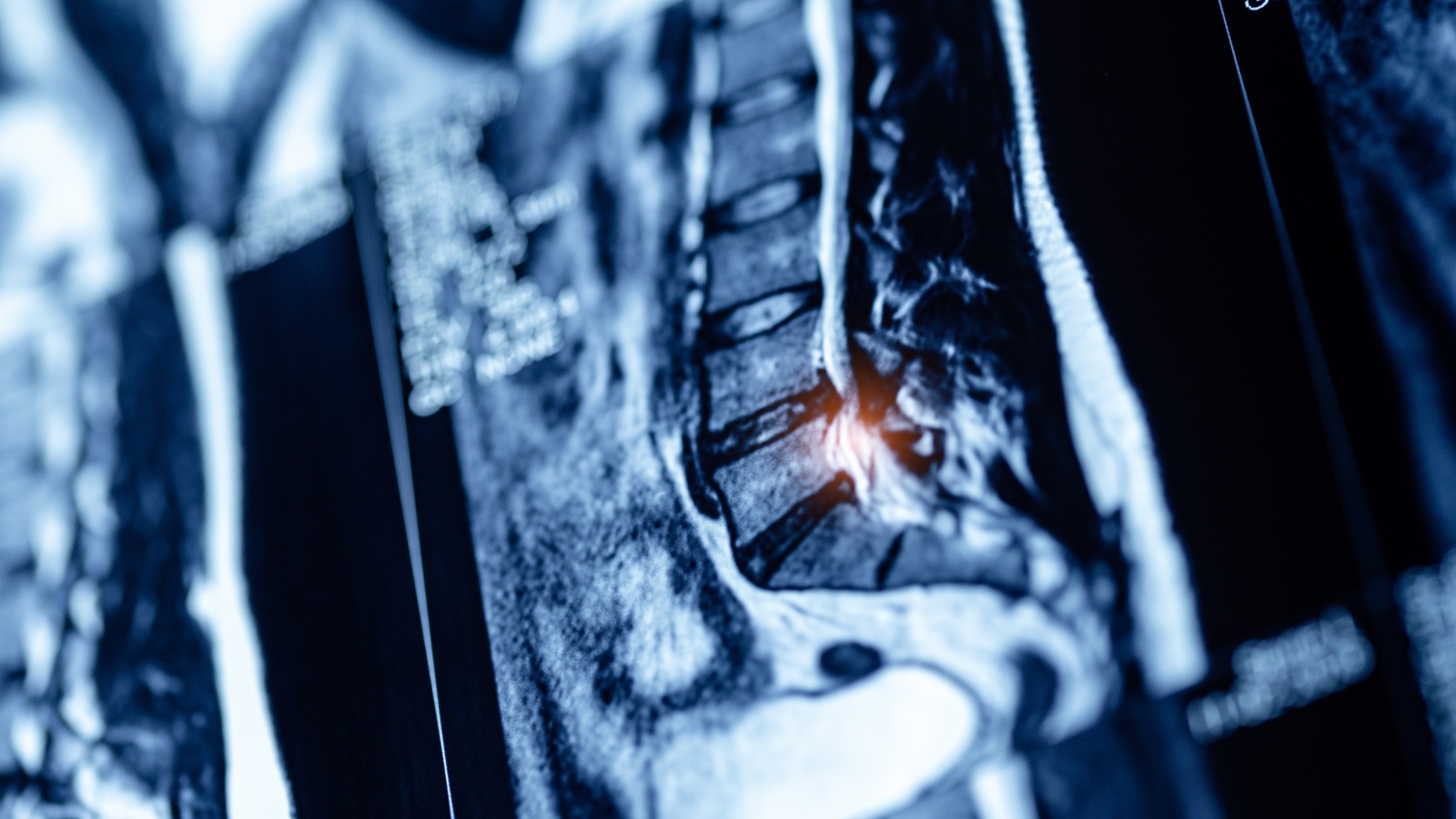
- An MRI identifies a clear source of nerve compression
A spine specialist will review your symptoms, imaging, overall health, and treatment goals to determine whether surgery is the right option.
Surgery Options for a Pinched Nerve in the Back
The type of surgery you need depends on what is causing the nerve compression.
Microdiscectomy
A microdiscectomy removes the part of a herniated disc pressing on the affected nerve while leaving the healthy portion of the disc in place. It is one of the most common procedures for relieving leg pain caused by a herniated disc.
Laminectomy
During a laminectomy, your surgeon removes part of the lamina, the bone that forms the back of the spinal canal. This creates more space for the nerves and is commonly used to treat spinal stenosis.
Foraminotomy
A foraminotomy enlarges the opening where a nerve exits the spine, relieving pressure caused by bone spurs or other narrowing around the nerve root.
Spinal Fusion
Spinal fusion permanently joins two or more vertebrae using bone grafts and metal hardware. It may be recommended when spinal instability contributes to nerve compression.
Minimally Invasive Surgery for a Pinched Nerve
Many pinched nerve procedures can be performed using minimally invasive spine surgery. Instead of one large incision, surgeons use smaller openings and specialized instruments to reach the spine with less disruption to nearby muscles and tissue.
Compared with traditional surgery, minimally invasive techniques may offer:
- Smaller incisions
- Less muscle damage
- Shorter hospital stays
- Less post-operative pain
- Faster recovery
Not everyone is a candidate for minimally invasive surgery. Your surgeon will recommend the approach that best fits your condition.
Risks and Success Rates of Pinched Nerve Surgery
Like any operation, surgery for a pinched nerve carries some risks, including infection, bleeding, nerve injury, or the need for another procedure.
Most patients experience significant relief from leg pain after surgery, although numbness, tingling, or back pain may take longer to improve depending on the underlying condition.
Recovery After Pinched Nerve Surgery
Recovery varies based on the procedure performed and your overall health, but most patients who do not require a low back fusion follow a similar timeline.
First Few Days
Many patients go home the same day or the following morning. Walking is encouraged soon after surgery to promote healing and reduce the risk of complications.
First Few Weeks
Avoid bending, twisting, and heavy lifting while gradually increasing your activity level. Patients with weakness may begin physical therapy at this point to rebuild strength and endurance, but physical therapy for the core at this point is generally avoided. By this stage, leg/arm pain is often much better, but not always. Improvement in numbness or tingling often takes longer.
Long-Term Recovery
Most people return to desk work within two to four weeks, while physically demanding jobs may require six weeks or longer. Physical therapy for the core muscles usually can begin after six weeks. Full recovery typically takes several months, depending on the procedure and individual healing.
Talk With a Spine Specialist at Neurosurgeons of New Jersey
If a pinched nerve continues to limit your daily life despite conservative treatment, our fellowship-trained spine surgeons can help. We’ll review your symptoms, imaging, and treatment options to determine whether surgery is the right choice for you. Request a consultation.
FAQs
When Does a Pinched Nerve Require Urgent Surgery?
Most pinched nerves do not require emergency surgery. However, sudden loss of bladder or bowel control, rapidly worsening leg weakness, or numbness in the genitals/anus may be signs of cauda equina syndrome and require immediate medical attention.
Can a Pinched Nerve Come Back After Surgery?
Most people do not experience another pinched nerve after surgery in the same location that the surgery is performed, but it is possible. The most common cause of this would be a disc reherniation. Unfortunately, if you have had spine surgery, it is not uncommon to have a pinched nerve in another location in the spine later on in life.
Should I Get a Second Opinion Before Spine Surgery?
Yes, if you feel you want one. A second opinion is always reasonable if you have questions about your diagnosis or treatment options. Most spine surgeons support patients who want additional perspectives before making a decision, especially about surgery. It is not necessary, however. Some people are comfortable enough with their surgeon that they feel as though they don’t need another opinion.
How Soon Can I Return to Work After Pinched Nerve Surgery?
Recovery depends on the type of surgery and the physical demands of your job. Many people with desk jobs return within two to four weeks, while physically demanding work may require six weeks or longer.
What Non-Surgical Treatments Should I Try First For A Pinched Nerve?
Doctors usually recommend conservative treatment before considering surgery. The typical conservative treatment program includes:
- Physical therapy or chiropractic care to improve strength and flexibility
- Anti-inflammatory medication or muscle relaxants
- Steroid injections to reduce inflammation around the affected nerve
- Activity modification to avoid movements that worsen symptoms
Many people improve with these treatments over six to twelve weeks and never need surgery.

About Dr. Alfred T. Ogden
Dr. Alfred T. Ogden is an accomplished neurosurgeon in North Jersey and is a proud member of Neurosurgeons of New Jersey, practicing out of their Ridgewood office conveniently located on East Ridgewood Avenue. Dr. Ogden is internationally recognized as a leader in minimally invasive spine surgery.