

Sharp pain that shoots from your neck into your shoulder or arm can stop you in your tracks. This often points to a pinched nerve in the neck, a condition doctors call cervical radiculopathy.
The good news is that most people improve with conservative treatment and never need surgery. This guide explains what causes a pinched nerve, how it’s diagnosed, and the treatment options that can help relieve your symptoms and get you back to your daily activities.
What Is a Pinched Nerve in the Neck?
If turning your head sends pain into your shoulder or arm, or your fingers feel numb or tingly, you may have a pinched nerve in your neck.
Doctors call this condition cervical radiculopathy. “Cervical” refers to the neck, while “radiculopathy” means a spinal nerve root is irritated or compressed.
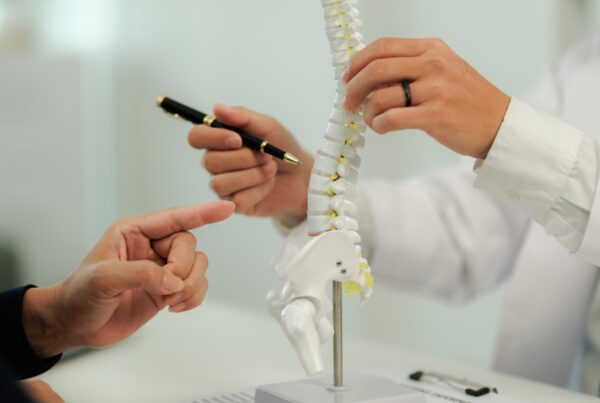
Your cervical spine contains seven vertebrae, with nerves exiting between each one. These nerves travel into your shoulders, arms, and hands. When one becomes compressed, you may develop pain, numbness, tingling, or weakness anywhere along that nerve’s path.
Most pinched nerves improve with conservative treatment, including rest, medication, and physical therapy.
Is cervical radiculopathy the same as a pinched nerve?
Yes. Pinched nerve is the everyday term, while cervical radiculopathy is the medical diagnosis. Both describe pressure or irritation affecting one of the nerve roots in the neck.
Common Causes of Cervical Radiculopathy
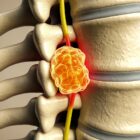
A pinched nerve develops when something places pressure on one of the nerve roots leaving the cervical spine. Several conditions can cause this compression.
- Herniated disc: The soft center of a spinal disc pushes through its outer layer and presses on a nearby nerve.
- Bone spurs: Arthritis can create extra bone that narrows the openings where nerves leave the spine.
- Degenerative disc disease: As spinal discs wear down with age, they lose height and may place added pressure on nearby nerves.
- Spinal stenosis: Narrowing of the spinal canal or nerve openings reduces the space available for nerves.
Identifying the underlying cause helps your spine specialist recommend the most effective treatment.
Symptoms of a Pinched Nerve in the Neck
Because cervical nerves travel into your shoulders, arms, and hands, symptoms often extend beyond your neck.
Common symptoms include:
- Pain that radiates from the neck into the shoulder, arm, or hand
- Numbness or tingling in the arm or fingers
- Weakness when lifting your arm or gripping objects
- Pain that worsens with certain neck movements
Some people describe the pain as burning or electric, while others experience a constant aching sensation. The location of your symptoms often helps your doctor determine which nerve is affected.
How Doctors Diagnose a Pinched Nerve
Your provider will begin by reviewing your symptoms and performing a physical exam. They’ll evaluate your muscle strength, reflexes, sensation, and neck movement to identify which nerve may be involved.
If additional testing is needed, your doctor may recommend:
- MRI: The best imaging test for evaluating spinal discs, nerves, and other soft tissues.
- CT scan: Provides detailed images of bone and can identify bone spurs or spinal narrowing.
- Nerve conduction studies and EMG: Measure how well nerves transmit electrical signals and help confirm nerve damage.
Your doctor compares your symptoms, physical exam, and imaging results to develop the most appropriate treatment plan.
It's time to get back
to doing what you love.
Surgical Treatment Options for Cervical Radiculopathy
Several procedures can relieve nerve compression. The best option depends on the cause of your symptoms, your spine health, and the affected level.
Anterior Cervical Discectomy and Fusion (ACDF)
ACDF is one of the most common cervical spine procedures.
During surgery, the damaged disc is removed through a small incision in the front of the neck. The vertebrae are then fused together using a bone graft and, in many cases, a small plate for stability.
Cervical Artificial Disc Replacement
Artificial disc replacement removes the damaged disc but replaces it with an artificial implant instead of performing a fusion.
Because motion is preserved, this procedure may reduce stress on nearby spinal levels in appropriately selected patients.
Posterior Cervical Foraminotomy
A posterior cervical foraminotomy relieves pressure on the nerve through an incision in the back of the neck.
The surgeon removes a small amount of bone or tissue to widen the opening where the nerve exits the spine. Unlike ACDF, this procedure preserves spinal motion and does not require fusion.
When Surgery Becomes the Right Option
Most people with a pinched nerve in the neck never need surgery.
However, surgery may be recommended when symptoms continue despite several weeks or months of conservative treatment or when nerve compression causes worsening weakness or loss of function.
Your doctor may recommend surgery if you experience:
- Progressive muscle weakness
- Difficulty using your hands for everyday tasks
- Persistent pain despite conservative treatment
- Pain that significantly affects sleep or quality of life
When surgery is appropriate, it often provides excellent long-term relief by removing pressure from the affected nerve.
Non-Surgical Treatment Options for a Pinched Nerve in the Neck
Most people begin with conservative treatment. In many cases, symptoms improve within several weeks without surgery.
Rest and Activity Modification
Reducing activities that worsen your symptoms gives the irritated nerve time to settle down.
Looking down at a phone for long periods, repetitive overhead movements, and heavy lifting may increase nerve irritation.
Applying ice for the first 48 hours can help reduce inflammation. After that, heat may relax tight muscles and improve blood flow.
Physical Therapy
Physical therapy is often one of the most effective treatments for cervical radiculopathy.
Your therapist will guide you through exercises that improve posture, strengthen the muscles supporting your neck, increase flexibility, and reduce pressure on the affected nerve.
Many patients continue these exercises at home after therapy ends to help prevent future flare-ups.
Medication
Several medications can help reduce pain and inflammation while the nerve heals.
These may include:
- Ibuprofen or naproxen to reduce pain and inflammation
- Acetaminophen for pain relief
- Prescription anti-inflammatory medications
- Short courses of oral corticosteroids
- Muscle relaxants when muscle spasms are contributing to pain
- Medications that target nerve pain in certain situations
Your doctor will recommend the safest option based on your symptoms and medical history.
Cervical Epidural Steroid Injections
If symptoms continue despite other treatments, a cervical epidural steroid injection may help.
This procedure places anti-inflammatory medication near the irritated nerve root to reduce swelling and pain.
While injections do not correct the underlying cause of compression, they often provide enough relief to allow physical therapy and natural healing to continue.
Can a Pinched Nerve Heal on Its Own?
Yes. Many pinched nerves improve without surgery.
As inflammation decreases and pressure on the nerve eases, symptoms often improve over several weeks. Following your treatment plan, staying active within your limits, and completing physical therapy all support recovery.
If symptoms continue or worsen despite conservative care, additional evaluation may be necessary.
Recovery Timeline After Treatment
Recovery depends on the severity of your condition and the treatment you receive.
With conservative care, many people notice meaningful improvement within a few weeks.
After surgery, most patients return home the same day or after one night in the hospital. Recovery continues over the following weeks as activity gradually increases.
Physical therapy is often recommended after surgery to restore strength, flexibility, and normal movement.
Nerves heal slowly, so numbness and tingling may continue improving for weeks or even months after treatment.
When to See a Spine Specialist
Most pinched nerves improve with conservative care, but certain symptoms deserve prompt medical evaluation.
Contact a spine specialist if you experience:
- Severe or worsening arm weakness
- Difficulty using your hand or fingers
- Loss of bladder or bowel control (a rare medical emergency)
- Symptoms that don’t improve after several weeks of treatment
- Pain that interferes with sleep or everyday activities
These symptoms don’t always mean surgery is necessary, but they should be evaluated to determine the cause and the most appropriate treatment.
Find Relief from a Pinched Nerve in the Neck
Living with neck pain, arm pain, or numbness can make even simple tasks difficult. Fortunately, most people improve with conservative treatment, and surgery is only necessary in certain cases.
At Neurosurgeons of New Jersey, our spine specialists will identify the cause of your symptoms, explain every treatment option, and build a personalized plan to help you find lasting relief.
Request a consultation today to learn which treatment option is right for you.
Frequently Asked Questions
What should you avoid with a pinched nerve in the neck?
Avoid activities that increase your pain, including heavy lifting, repetitive overhead movements, prolonged poor posture, and excessive phone use. These activities can place additional stress on the irritated nerve.
Is massage safe for a pinched nerve in the neck?
Gentle massage may help relieve muscle tension around the neck. However, deep massage or forceful manipulation isn’t appropriate for everyone. Talk with your doctor before beginning treatment.
How long does a pinched nerve in the neck take to heal?
Many people begin improving within several weeks with conservative treatment. Recovery depends on the cause of the nerve compression and how closely you follow your treatment plan.
Can a pinched nerve cause permanent damage?
Most pinched nerves heal without permanent problems. However, severe or prolonged nerve compression can lead to lasting weakness or numbness if left untreated. Early evaluation gives you the best chance for a full recovery.

About Dr. William S. Cobb
Dr. William Cobb is an accomplished neurosurgeon in North Jersey and a proud member of Neurosurgeons of New Jersey, practicing out of their Ridgewood office conveniently located on East Ridgewood Avenue. During his Neurological Surgery residency, he became passionate about the development and treatment of brain tumors affecting the brain and spine. Dr. Cobb uses state-of-the-art technology for surgical intervention in the treatment of tumors of the brain and spine including Gamma Knife radiosurgery. He has vast experience in using modern minimally invasive surgery for the treatment of degenerative spine and intervertebral disc disease. Dr. Cobb serves as the Director of Neurosurgical Oncology at Valley Hospital. He's accepting new patients.