

Receiving a diagnosis of “cervical disc degeneration” on an imaging report can be unsettling. In the moments between reviewing your results and processing what they mean, it’s natural for your mind to turn to worst-case scenarios.
However, it’s important to keep this finding in perspective. For most patients, this diagnosis is considerably less concerning than the terminology suggests.
Patients come to us carrying the same fears:
- Is my neck going to keep getting worse?
- Will I need surgery?
- Can I still live my normal life?
The answers are usually more reassuring than they expect. Here is what you need to know about cervical disc degeneration and what it means for your health.
What Is Cervical Disc Degeneration?
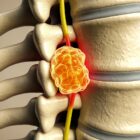
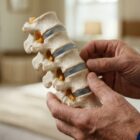
Cervical disc degeneration refers to the gradual wearing down of the soft discs that sit between the bones in your neck. Your neck has seven small bones stacked on top of each other, and between each one sits a soft, spongy disc that works like a shock absorber. These discs cushion every turn, nod, and tilt your neck makes throughout the day.
As you age, those discs gradually wear down. They dry out, lose some of their height, and can develop small cracks.
Think of it like the soles of your shoes wearing thin after years of use. It does not mean something has gone wrong. It means your body has been working hard.
Most people experience some degree of degenerative cervical spine changes over time. The discs in the lower part of the neck tend to wear the fastest because that area carries the most stress and moves the most throughout the day.
What Causes Cervical Disc Degeneration?
Age is the biggest factor in degenerative cervical spine disease. Your discs have limited blood flow, which makes it hard for the body to repair them once they start breaking down. But aging is not the whole story.
Other things can speed up the process. An old neck injury can cause a disc to wear down faster than the others, even years after the fact. Some people carry a genetic tendency toward earlier cervical disc degeneration, meaning their discs break down faster regardless of lifestyle. Spending long hours looking down at a phone or hunched over a desk puts steady daily pressure on the lower neck, and physically demanding jobs that strain the neck repeatedly over time add up as well.
What Are the Symptoms of Cervical Disc Degeneration?
Here is something that surprises most patients: many people have significant degenerative cervical spine changes and feel nothing at all. Doctors find changes on MRI scans all the time in patients who have no idea anything is going on.
When symptoms of cervical disc degeneration do appear, they usually happen because a worn disc starts pressing on a nearby nerve. You might notice:
- Stiffness in your neck that makes it hard to look over your shoulder
- A dull ache that travels down into your shoulder or arm
- Tingling or numbness in your fingers
- Weakness in your grip that makes holding things feel unreliable
Where you feel those symptoms often points to which disc is causing the problem. A worn disc at the C5-C6 level, for example, tends to send pain and tingling into the shoulder and upper arm specifically.
It's time to get back
to doing what you love.
What Does “Degenerative C Spine” Mean on a Report?
When your doctor notes degenerative C-spine changes on a scan, they are simply describing what they see. Disc thinning, small bone spurs, and some joint wear. That description does not mean something has gone seriously wrong.
In fact, doctors see these findings so often in people over 40 that most consider them a normal part of aging. Before your surgeon makes any definitive decision, they review your scans, listen to your symptoms, and review your full health history. That full picture is what tells them whether those findings actually matter for you.
How Is Cervical Disc Degeneration Diagnosed?
Diagnosis starts with a real conversation. Your surgeon wants to hear exactly what you are experiencing, where the pain shows up, when it started, and what seems to make it better or worse. That conversation shapes everything that comes after.
From there, a physical exam checks how your nerves and muscles are actually functioning. Your surgeon tests your strength, your reflexes, and whether sensation is normal in your arms and hands. If they need a clearer look, they order imaging. X-rays show the bones in your neck, and an MRI reveals what is happening with the discs and nearby nerves in more detail.
By the time your surgeon sits down to talk through the next steps, they have the full picture, not just a scan result.
Treatment Options for Cervical Disc Degeneration
Surgery is not where most people end up, and it is not where treatment starts.
Physical therapy is usually where treatment begins. A good therapist works with you to strengthen the muscles around your neck, improve your posture, and get back the range of motion that pain has been stealing from you. Most patients are surprised by how much progress they make with a focused, consistent program.
Your doctor may also prescribe an anti-inflammatory or a short-term muscle relaxer alongside therapy. These are not long-term solutions, but they can take enough of the edge off that therapy becomes more productive.
If therapy and medication are not moving things in the right direction, an injection can help. A doctor places anti-inflammatory medicine directly at the irritated nerve to reduce pain and help therapy work better.
Small everyday changes can make a surprising difference too:
- Raising your computer screen to eye level reduces strain on your lower neck
- Switching to a supportive pillow takes pressure off your cervical spine while you sleep
- Taking short breaks from sitting in one position gives your neck a chance to reset throughout the day
When Is Surgery Considered for Degenerative C Spine?
Surgery enters the conversation when other treatments have not delivered enough relief. If your symptoms stay the same or get worse, if nerve compression continues to progress, or if you develop new weakness in your arms or hands, your surgeon will talk through surgical options with you.
The most common procedure is called ACDF, anterior cervical discectomy and fusion. The surgeon removes the worn disc and secures the two bones around it to keep the spine stable. It is one of the most frequently performed spine surgeries and carries a strong track record for the right patients.
Some patients are a better fit for cervical disc replacement instead. Rather than fusing the bones together, the surgeon removes the worn disc and puts an artificial one in its place. The biggest advantage is that your neck keeps its natural ability to move after the procedure.
Your surgeon walks you through which option makes sense for your specific situation before anyone makes any decisions. Nothing moves forward until you feel fully informed and comfortable with the plan.
Recovery After Cervical Disc Degeneration Treatment
Patients who manage degenerative cervical spine symptoms without surgery often feel meaningfully better within a few weeks to a couple of months.
Those who have surgery typically go home the same day or the day after. Tingling and numbness in the arms often improve quickly once the surgeon relieves pressure on the nerve. Physical therapy then helps rebuild strength and ease the return to normal activity.
You cannot reverse cervical disc degeneration, but you can protect your spine going forward. Staying active, strengthening your neck and core, keeping good posture, and taking regular breaks from long periods in one position all help reduce pressure on your discs. Small, consistent habits add up more than most people expect.
When to See a Specialist for Cervical Disc Degeneration
If your neck pain has lasted more than a few weeks, or you are noticing tingling, numbness, or weakness in your arms or hands, it is worth getting checked out. Catching degenerative c spine changes early means more treatment options and faster answers.
At Neurosurgeons of New Jersey, our spine team listens carefully before making any recommendations. We explain what is happening in clear, honest terms, walk you through every option, and build a plan around your life and your goals.
Contact our office today to schedule a consultation with our spine team.
Frequently Asked Questions
What is cervical disc degeneration?
Cervical disc degeneration means the soft discs between the bones in your neck are gradually wearing down. This is very common with age and does not always cause pain or other symptoms.
What does degenerative c spine mean?
It is a term doctors use to describe wear and breakdown in the bones, discs, and joints of the cervical spine. Many people have these changes and feel no pain from them at all.
Is cervical disc degeneration serious?
It depends on the person. Many people live with cervical disc degeneration and feel completely fine. Others develop nerve compression that needs attention. Your surgeon looks at your full picture before drawing any conclusions.
Does cervical disc degeneration always require surgery?
No. Most people improve with physical therapy, medication, or injections. Surgery is only recommended when those treatments have not helped enough or when a nerve is significantly compressed.
What are the symptoms of degenerative c spine disease?
The most common symptoms include neck stiffness, pain that travels into the shoulder or arm, tingling or numbness in the fingers, and weakness in the grip. Some people with degenerative cervical spine changes experience no symptoms at all.
How is cervical disc degeneration treated?
Your symptoms guide the plan. Most patients start with physical therapy and medication, move to injections if needed, and only consider surgery when cervical disc degeneration is significantly affecting daily life.

About Dr. Michael G. Kaiser
Dr. Michael G. Kaiser is a nationally recognized neurosurgeon in North Jersey and is a proud member of Neurosurgeons of New Jersey, practicing out of their Ridgewood office conveniently located on East Ridgewood Avenue. Dr. Kaiser specializes in complex and minimally invasive spine surgeries.